New Zealand South Island Itinerary: A Practical 10-Day Road Trip for Couples
A good New Zealand South Island itinerary is less about covering huge distances and more about choosing a route you can actually enjoy. For couples with 10 days, this Christchurch-to-Queenstown road trip combines alpine lakes, mountain walks, Wānaka, Queenstown, Te Anau, and Milford Sound/Piopiotahi without changing hotels every night.
The route works best as a self-drive trip, although the Milford Sound day can easily be done by coach. Driving times below are approximate and assume normal conditions without sightseeing stops, roadworks, or weather delays.
New Zealand South Island Itinerary at a Glance
| Day | Route | Approx. Driving | Overnight |
|---|---|---|---|
| 1 | Arrive in Christchurch | Local driving only | Christchurch |
| 2 | Christchurch to Lake Tekapo | 3–4 hours | Lake Tekapo |
| 3 | Lake Tekapo to Aoraki/Mount Cook | About 1 hour 15 minutes | Aoraki/Mount Cook |
| 4 | Aoraki/Mount Cook | Local driving only | Aoraki/Mount Cook |
| 5 | Aoraki/Mount Cook to Wānaka | About 2.5 hours | Wānaka |
| 6 | Wānaka to Queenstown | About 1–1.25 hours | Queenstown |
| 7 | Queenstown | Depends on activities | Queenstown |
| 8 | Queenstown to Te Anau | About 2 hours 10 minutes | Te Anau |
| 9 | Te Anau to Milford Sound and back | Full-day outing | Te Anau |
| 10 | Te Anau to Queenstown | About 2 hours 10 minutes | Queenstown or departure |
The itinerary deliberately concentrates on the lower central South Island rather than attempting a complete loop. Adding the West Coast, Nelson, Kaikōura, Dunedin, and the Catlins to the same 10 days would turn much of the trip into transportation rather than travel.
Day 1: Arrive in Christchurch
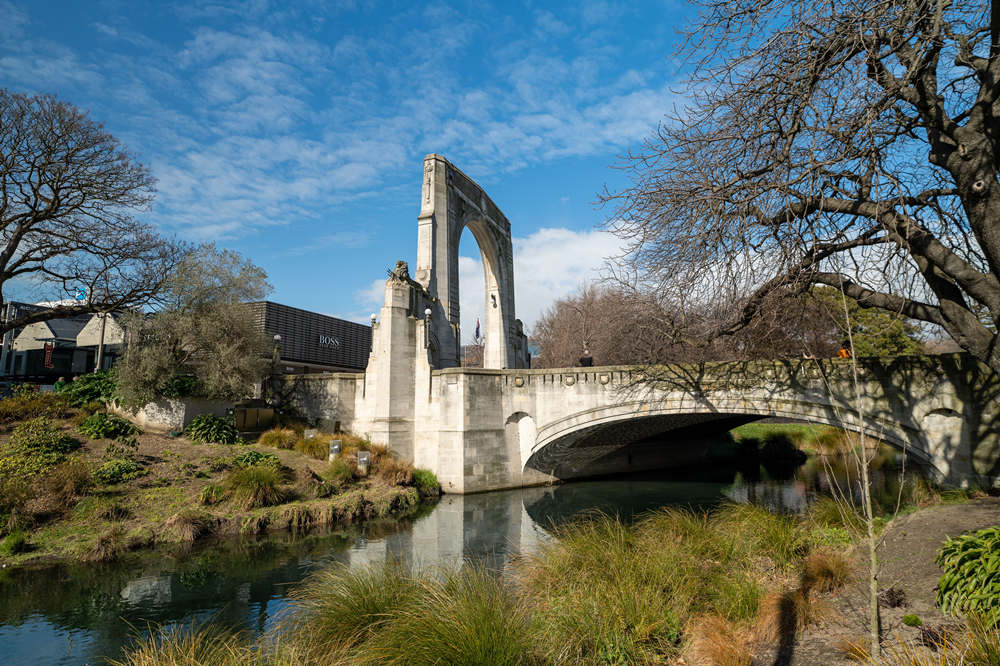
Use Christchurch as an easy first night, especially if you have arrived after a long international journey. Collecting a rental car and immediately starting a multi-hour drive is rarely the best introduction to driving in New Zealand.
If you have energy, spend a few hours around central Christchurch. The Christchurch Botanic Gardens, Avon River area, and Riverside Market are all easy options that do not require an ambitious sightseeing schedule.
Have dinner, adjust to the time difference, and start the road trip properly the following morning.
Day 2: Christchurch to Lake Tekapo
Leave Christchurch after breakfast and head southwest across the Canterbury Plains toward the Mackenzie Basin. Lake Tekapo is roughly three to four hours away before substantial stops.
Geraldine makes a convenient place for coffee or lunch. After that, the terrain becomes increasingly open and mountainous as you approach Lake Tekapo.
Once you arrive, check in before walking along the lakefront and visiting the Church of the Good Shepherd area. Spending the night gives the destination more purpose than treating it as a brief photo stop between Christchurch and Mount Cook.
On a clear evening, stargazing is the obvious activity. Lake Tekapo lies in the Aoraki Mackenzie International Dark Sky Reserve, so even an unstructured evening outdoors can be worthwhile. Couples who want a more guided experience can book an astronomy tour rather than filling the afternoon with additional sightseeing.
Day 3: Lake Tekapo to Aoraki/Mount Cook
The drive to Aoraki/Mount Cook Village is only about 105 kilometres, so there is no need for a dawn departure. Follow the route past Lake Pukaki and allow time for the viewpoints along State Highway 80.
The final approach toward Aoraki/Mount Cook is one of the most scenic parts of this itinerary. Treat the drive as part of the day rather than something to finish quickly.
After checking in, choose a shorter walk or explore the visitor centre instead of immediately committing to a long hike. Kea Point can work well as an afternoon outing, while the Tasman Valley offers another direction if you have time and suitable conditions.
The goal today is to arrive, get oriented, and preserve most of your walking energy for tomorrow.
Day 4: A Full Day at Aoraki/Mount Cook
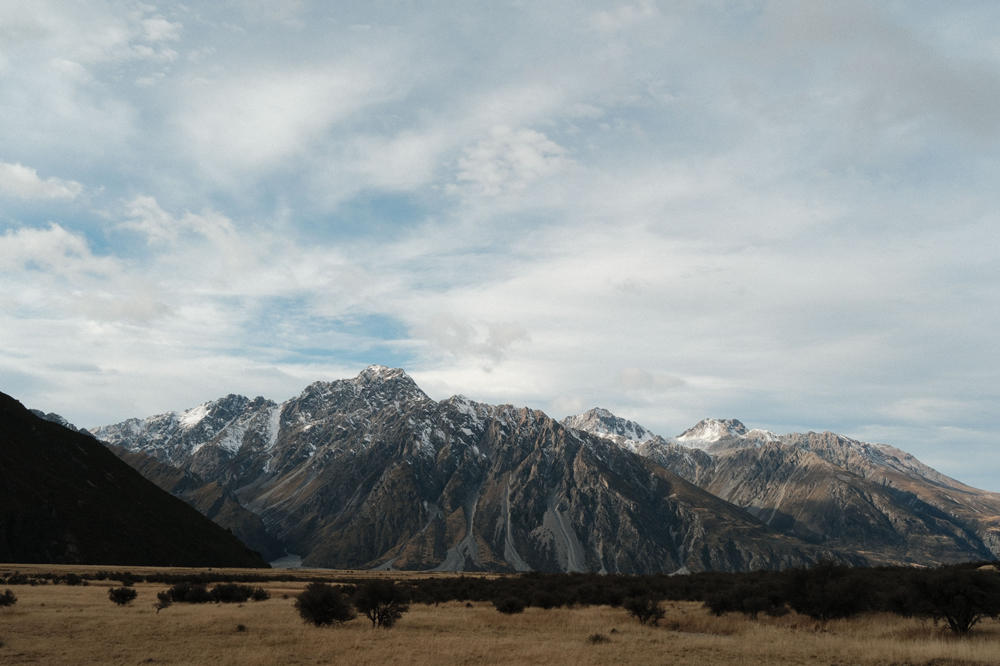
This is the main hiking day of the road trip, and staying a second night means you do not need to pack the car before heading out.
Walk the Hooker Valley Track
For many first-time visitors, the Hooker Valley Track is the natural choice. As of August 2026, the Department of Conservation lists the complete route as 10 kilometres return with an approximate walking time of three hours.
A new 189-metre suspension bridge across the Hooker River opened on July 28, 2026, restoring the full route after the previous crossing was affected by erosion.
Despite the relatively accessible track, this remains an alpine environment. Check the current DOC track information and forecast before leaving, particularly during colder months.
Choose a Shorter Walk Instead
If a three-hour walk does not suit both of you, there is no reason to force it. Kea Point provides a shorter outing, while the Blue Lakes and Tasman Glacier View area offers another way to see the surrounding landscape without making the entire day about one hike.
This is a useful place to split the difference if one partner wants an active trip and the other prefers shorter walks with more time to stop and enjoy the scenery.
Day 5: Aoraki/Mount Cook to Wānaka
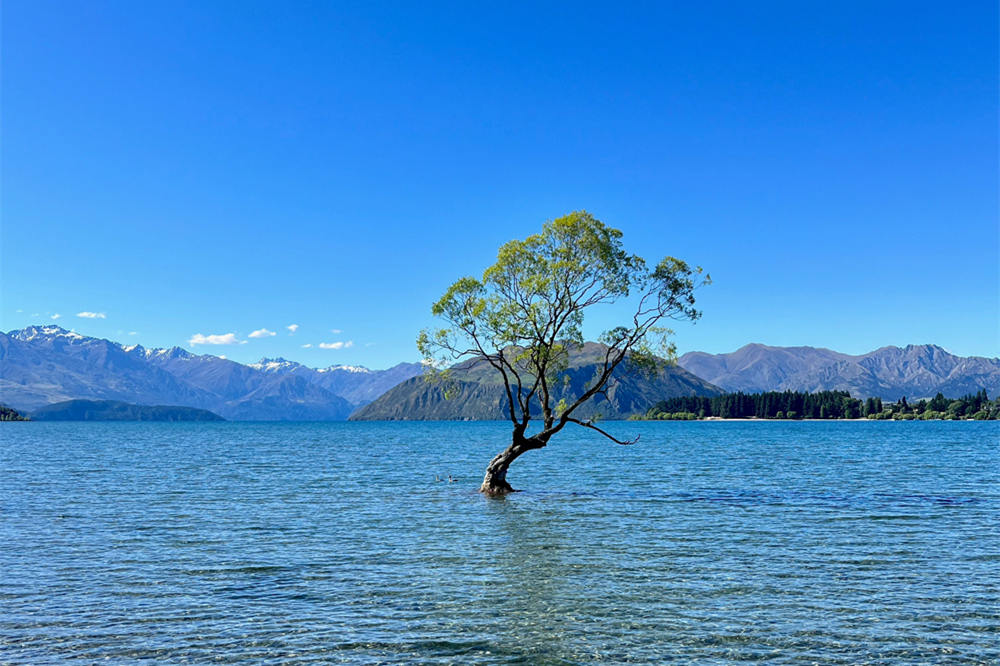
Leave Mount Cook after breakfast and return toward Twizel before continuing south through the Mackenzie Basin and over Lindis Pass.
The direct journey to Wānaka takes about two and a half hours, but this is a good transfer day to slow down for viewpoints and lunch. Lindis Pass in particular marks a dramatic change from the landscapes around Mount Cook.
Once in Wānaka, leave the car at your accommodation and spend the late afternoon around the lakefront and compact town center.
Wānaka has enough hiking and outdoor activities to justify several days, but on this itinerary its role is different: it provides a quieter transition between Mount Cook and the busier pace of Queenstown.
Day 6: Wānaka to Queenstown
You have two practical routes between Wānaka and Queenstown.
The Crown Range Road is the more direct option and normally takes around an hour. It is a high alpine route with steep gradients and tight corners, so winter conditions can make it less attractive to inexperienced mountain drivers.
The alternative travels through Cromwell on State Highway 6. It is slightly longer and more gradual, and can be the more comfortable choice in poor weather or when driving a larger campervan.
Check current conditions before deciding rather than committing to one route weeks in advance.
After reaching Queenstown, keep the afternoon open. Walk along Lake Wakatipu, explore the center, and choose somewhere for dinner. Tomorrow is the better day for your main Queenstown activity.
Day 7: Choose the Queenstown Day That Suits Both of You
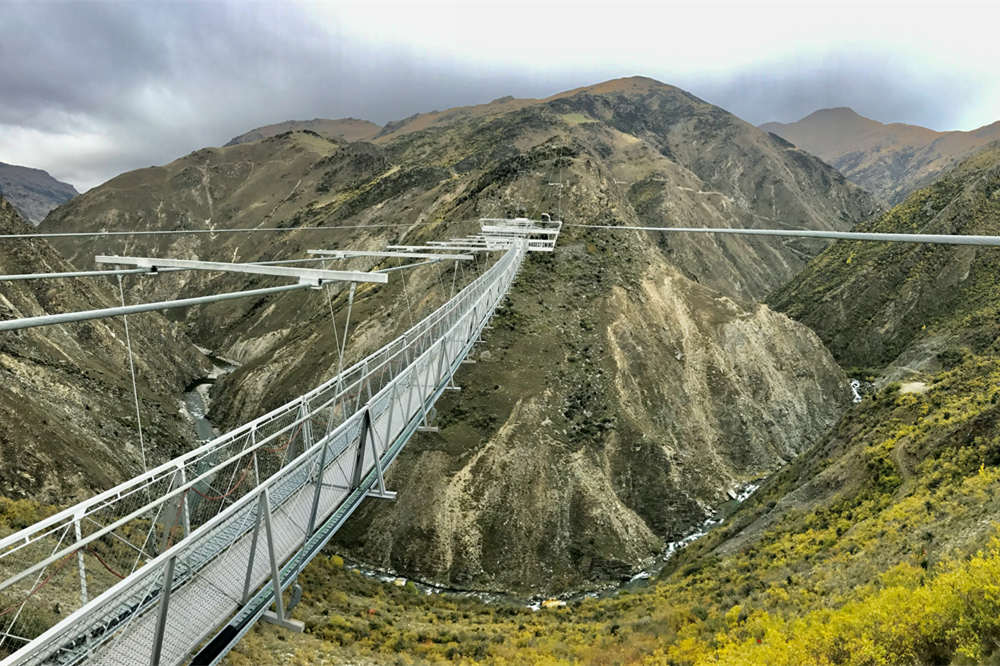
Queenstown has enough activities to make an itinerary feel overloaded very quickly. Instead of attempting a checklist, agree on one main direction for the day.
For an Active Day
Choose a substantial experience such as jet boating, mountain biking, bungy jumping, or a longer walk. One major activity still leaves enough time for an unhurried meal and some flexibility around weather.
For Food and Wine
Spend part of the day around Gibbston and the wider Central Otago wine region. If both of you want to taste wine, use a tour or arranged transportation so neither partner has to act as the designated driver.
For a Slower Day
Visit Arrowtown, take a lake cruise, book a spa session, or simply spend more time around Queenstown itself.
Couples do not need identical travel styles, but this is a good day to choose an activity both people actually want rather than alternating between experiences one partner is merely tolerating.
Day 8: Queenstown to Te Anau
The drive from Queenstown to Te Anau is about 173 kilometres and roughly two hours and 10 minutes in normal conditions.
Arrive early enough to enjoy Te Anau rather than treating it purely as a sleeping stop. Walk along the lakefront, have a relaxed dinner, or consider the Te Anau glowworm caves if you want one organized activity.
Before turning in, make sure the car has enough fuel and that you have food and water for tomorrow. Milford Road has long stretches without the services you may be accustomed to finding on more populated routes.
Day 9: Milford Sound/Piopiotahi from Te Anau
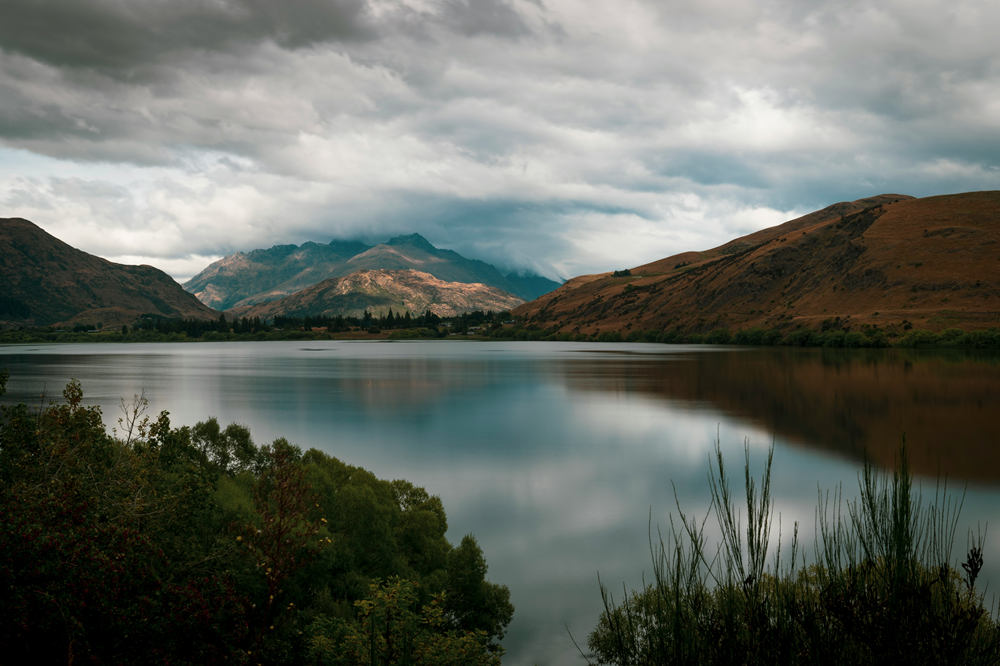
This is the longest excursion of the itinerary, but basing yourselves in Te Anau keeps it manageable.
The Department of Conservation puts the Te Anau–Milford Sound–Te Anau return journey at 240 kilometres and recommends allowing roughly eight hours if you plan to enjoy scenic stops, short walks, and a boat cruise.
The road can technically be driven from Te Anau to Milford Sound in about two hours without stops, but that defeats much of the point. Visit Fiordland recommends considerably more time if you want to stop along the way.
Possible stops include Eglinton Valley and Mirror Lakes, along with other designated viewpoints where conditions and parking permit. The Homer Tunnel marks the final alpine crossing before the descent toward Milford Sound.
Plan Your Cruise Around the Drive
Most first-time visitors take a cruise through Milford Sound. Choose a departure time that leaves a generous margin for the road rather than booking an early sailing that requires rushing past every stop.
There are no shops or fuel stations between Te Anau and Milford Sound, and mobile coverage is limited across much of the route. Winter can introduce snow, ice, avalanche controls, and chain requirements, so current road information matters more than the original itinerary.
Should You Self-Drive or Take a Coach?
Self-driving gives you greater control over stops. A coach lets both partners enjoy the scenery and removes the responsibility of driving a demanding road twice in one day.
If neither of you enjoys mountain driving, especially in winter, taking a coach from Te Anau is an easy decision rather than a compromise.
Return to the same Te Anau accommodation tonight.
Day 10: Te Anau to Queenstown
Drive back to Queenstown today. If you have an evening flight, leave enough time for the road journey, refueling, the rental-car return, and airport procedures.
An early-morning departure requires a different plan. Spend the previous night in Queenstown rather than depending on a long road transfer immediately before the flight.
If you are continuing your trip, Queenstown is also a useful starting point for another part of New Zealand.
How Many Days Do You Need for the South Island?
The South Island can support anything from a focused week to a month-long road trip. The number of days determines how wide an area you should attempt to cover.
| Trip Length | Best Approach |
|---|---|
| 7 days | Christchurch, Tekapo, Mount Cook, Wānaka, and Queenstown |
| 10 days | Follow the full itinerary in this guide, including Fiordland |
| 14 days | Add slower stays or one additional region |
| 3 weeks or more | Consider a much broader South Island circuit |
A useful reality check is Tourism New Zealand’s broader South Island Wonders itinerary, which covers about 2,703 kilometres over 22 days. Ten days therefore works best when you deliberately leave parts of the island for another trip.
How to Extend This Route to 14 Days
Four extra days can improve the trip substantially, but choose one direction rather than adding every destination you have heard about.
Add the West Coast
From Wānaka, head through Haast and continue north toward glacier country and Hokitika. This gives the trip more rainforest, rugged coastline, and remote road-trip scenery.
Spend Longer in Wānaka and Queenstown
This is the simplest extension and often the most relaxing. Add another night in Wānaka for hiking or lake time and another in Queenstown for food, wine, or an additional activity.
Add Dunedin and the Catlins
Choose the southeastern route if wildlife, coastal landscapes, and smaller settlements appeal more than another alpine destination.
Each extension changes the character of the trip. Pick the one that best matches what you both want rather than treating additional days as an invitation to collect more destinations.
Best Time for a South Island Road Trip
New Zealand’s seasons run opposite to those in the Northern Hemisphere, with summer from December to February, autumn from March to May, winter from June to August, and spring from September to November.
Summer: December to February
Long daylight hours make summer convenient for road trips, hiking, and outdoor activities. It is also a popular travel period, so accommodation in smaller destinations can offer less flexibility.
Autumn: March to May
Autumn can work particularly well for couples who want cooler walking temperatures and somewhat less peak-season pressure. Daylight decreases as the season progresses.
Winter: June to August
Winter adds snow sports and dramatic alpine scenery, but driving becomes a larger part of the decision. Mountain passes and Milford Road can be affected by snow and ice.
Spring: September to November
Spring brings longer days and changing alpine conditions. It can suit couples who prefer shoulder-season travel but are comfortable adapting plans around variable weather.
Use Tourism New Zealand’s seasonal information for general planning, then rely on local forecasts and road reports once the trip begins.
Rental Car or Campervan?
A rental car and a campervan can follow essentially the same route, but they create very different travel styles.
A Rental Car Is Better for Simplicity
- Easier to park and maneuver
- Generally less demanding on winding roads
- Works naturally with hotels, motels, and lodges
- No campsite setup at the end of the day
For this particular itinerary, a standard rental car is the easiest option for couples who want the road trip without making the vehicle itself part of the experience.
A Campervan Adds Flexibility but More Logistics
- Your transportation and accommodation travel together
- You can prepare some of your own meals
- Holiday parks create additional overnight options
- Larger vehicles require more care on narrow or mountainous roads
If you intend to freedom camp, check the rules before choosing a vehicle. Since June 7, 2026, the old blue self-containment warrants are no longer recognized for freedom-camping purposes. Vehicles relying on certified self-contained status use the newer green-warrant system, and individual councils and land managers can still restrict or prohibit camping in particular locations.
Do not assume that renting a campervan automatically allows you to sleep anywhere.
Driving in New Zealand: What International Visitors Should Know
A South Island itinerary becomes much easier when you understand the driving requirements before collecting the car.
- Drive on the left. Pay particular attention when leaving car parks, viewpoints, and quiet side roads.
- Carry a valid driver licence. Visitors using an overseas licence must meet New Zealand’s current licence requirements. If the licence is not in English, an accurate translation is required.
- Expect slower roads. Winding, hilly, and narrow sections can make journey times longer than the distance suggests.
- Share driving when practical. Two comfortable drivers can make the longer transfer days substantially easier.
- Refuel before remote routes. Do not assume every settlement shown on a map has the services you need.
- Check conditions before leaving. The NZTA Journey Planner provides current information on roadworks, closures, hazards, and travel conditions.
If either partner is uncomfortable driving in snow, ice, or steep mountain terrain, changing the route or using a coach is preferable to treating the itinerary as fixed.
Adjust the Itinerary to Your Travel Style
| If You Prefer… | Consider This Change |
|---|---|
| More hiking | Add a second Wānaka day and protect both Mount Cook nights |
| Food and wine | Add time in Queenstown and Central Otago |
| A slower trip | Remove Wānaka or another one-night stop and extend your favorite bases |
| Less driving | Finish in Queenstown and avoid adding another distant region |
| More Fiordland | Add another Te Anau night for a second Fiordland experience |
| Campervan travel | Allow extra time for campground arrivals, setup, and larger-vehicle driving |
This is also where couples should be realistic about different preferences. If one person wants long hikes and the other prefers food, scenery, and shorter walks, dividing the trip between active days and lower-effort days usually works better than forcing one travel style throughout.
How to Build a Realistic South Island Budget
Prices vary too much by season, vehicle type, accommodation level, and activity choices for one fixed daily number to remain useful. A better approach is to build the budget from the actual components of this itinerary.
| Expense | What to Price |
|---|---|
| Accommodation | 9–10 nights, with Mount Cook and Queenstown checked separately because availability can strongly affect your choices |
| Rental vehicle | 10 days plus insurance, one-way charges if applicable, and any additional-driver fee |
| Fuel | Enough for the complete route plus local sightseeing |
| Food | Breakfasts, lunches, dinners, groceries, and café stops for two |
| Milford Sound | Cruise for two or a coach-and-cruise package |
| Queenstown activities | Only the paid experiences you genuinely plan to book |
| Other costs | Parking, airport transfers, travel insurance, campsites, and miscellaneous fees |
Once you have current quotes for accommodation and transportation, the total becomes much more meaningful than a generic “budget,” “mid-range,” or “luxury” daily figure.
A practical way to control the total is to decide which two or three paid experiences matter most. Many of the strongest days on this route—scenic drives, lakefront walks, viewpoints, and several hikes—do not require expensive bookings.
What Should You Book in Advance?
Reserve the parts of the itinerary that would be difficult to replace, while leaving ordinary sightseeing flexible.
- Rental car or campervan
- Aoraki/Mount Cook accommodation
- Queenstown accommodation during busy periods
- Milford Sound cruise or coach package
- Any Queenstown activity that is a major reason for your trip
- Holiday parks or campsites where advance reservations are required
- Flights connecting with the road trip
There is little benefit in scheduling every café, viewpoint, and short walk weeks ahead. Some flexibility gives you room to respond to weather and energy levels once you are there.
Is This South Island Itinerary Right for You?
This route suits couples who want mountains, lakes, scenic roads, accessible hiking, small towns, and a few days with very little structure. It provides variety without attempting to turn the South Island into one enormous checklist.
If wildlife, beaches, multi-day hiking, or minimal driving is your highest priority, build a different route rather than forcing those interests into this one.
For most couples following this itinerary, the biggest improvement is not adding another destination. It is protecting enough time to enjoy the destinations already on the map. On this part of New Zealand, seeing slightly less often means enjoying considerably more.