10-Day Italy Itinerary for Couples: Rome, Florence, Tuscany and Venice
Ten days in Italy gives couples enough time for several of the country’s defining experiences without turning the trip into a race. A particularly practical first-time route connects Rome, Florence, Tuscany, and Venice, using just three hotel bases and fast trains between the major cities.
This itinerary balances major sights with slower evenings, good meals, neighborhood walks, and one countryside day. You will not see all of Italy in 10 days—and trying to do so would make the trip considerably less enjoyable.
Italy 10-Day Itinerary at a Glance
| Day | Base | Main Plan | Overnight |
|---|---|---|---|
| 1 | Rome | Arrive and explore the historic center | Rome |
| 2 | Rome | Colosseum, Roman Forum, and Trastevere | Rome |
| 3 | Rome | Vatican Museums and central Rome | Rome |
| 4 | Florence | Train to Florence and explore on foot | Florence |
| 5 | Florence | Uffizi or Accademia and Oltrarno | Florence |
| 6 | Florence | Siena or Chianti day trip | Florence |
| 7 | Venice | Train to Venice and first canal walk | Venice |
| 8 | Venice | St. Mark’s Square and the Grand Canal | Venice |
| 9 | Venice | Quiet Venice or Murano and Burano | Venice |
| 10 | Venice | Departure | — |
Important: treat the day numbers as a framework rather than fixed calendar dates. The Vatican Museums normally operate Monday through Saturday, with limited Sunday exceptions, while both the Uffizi and Accademia are normally closed on Mondays. If one of those closure days affects your trip, simply swap sightseeing days within the same city.
How This Italy Route Works
The itinerary gives you three nights in Rome, three in Florence, and three in Venice. That means only two major hotel changes during the trip.
Rome to Florence takes a little over an hour and a half on some direct high-speed Frecciarossa services, while Florence to Venice can take around two hours by high-speed train. Because the stations are in or close to the city centers, flying between these destinations is unnecessary for most travelers.
You also do not need a rental car for the main route. If you want a driving experience in rural Tuscany, rent a car only for that portion or choose an organized countryside excursion instead.
Days 1–3: Rome
Day 1: Arrive in Rome and Keep the Evening Easy
Avoid putting an expensive timed reservation on your arrival day. Flight delays, airport formalities, transfers, and simple travel fatigue can make even a straightforward arrival unpredictable.
After checking in, use the evening to become familiar with central Rome. Piazza Navona, the Pantheon, Trevi Fountain, and the surrounding lanes work well for a relaxed introductory walk.
There is no need to cover every famous landmark immediately. Stop for coffee or aperitivo, have a proper dinner, and allow yourselves an early night if the journey has caught up with you.
Day 2: Ancient Rome and Trastevere
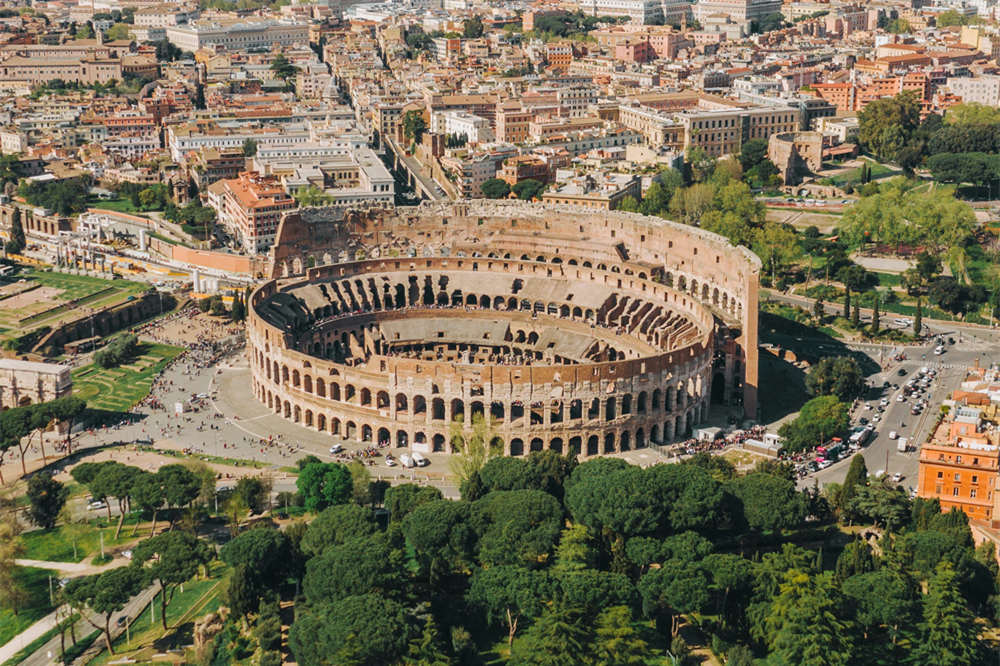
Dedicate the first full day to ancient Rome. The Colosseum, Roman Forum, and Palatine Hill belong to the same archaeological area, so grouping them together minimizes unnecessary movement across the city.
Check admission options through the official Colosseum ticket office and reserve ahead when specific entry times matter to you.
Allow several hours for the archaeological area. The Forum should not be treated as a ten-minute add-on after the Colosseum; some of the most interesting views and ruins require time to explore.
Once you finish, take a genuine break rather than adding another museum.
In the evening, head toward Trastevere. Walk without a strict route, find somewhere appealing for dinner, and enjoy a slower side of Rome after a structured sightseeing day.
Day 3: Vatican City and a Relaxed Roman Evening
Make the Vatican Museums the main event of the morning. Tickets are sold through the official Vatican Museums ticket office, and advance booking is worthwhile when your dates are fixed.
The museums contain far more than the Sistine Chapel, so allow enough time to move through the collections without rushing solely toward the final rooms.
Afterward, spend time around St. Peter’s Square or continue with St. Peter’s Basilica if your energy and the day’s access arrangements make sense. Avoid scheduling another major museum that afternoon.
Use your final Rome evening for whichever part of the historic center you enjoyed most—or somewhere you did not reach on Day 1. A long dinner and evening walk make a better farewell to Rome than adding several minor attractions simply because they fit on a map.
Days 4–6: Florence and Tuscany
Day 4: Take the Train to Florence
Travel from Roma Termini to Firenze Santa Maria Novella in the morning. On direct high-speed services, the trip can take a little over an hour and a half.
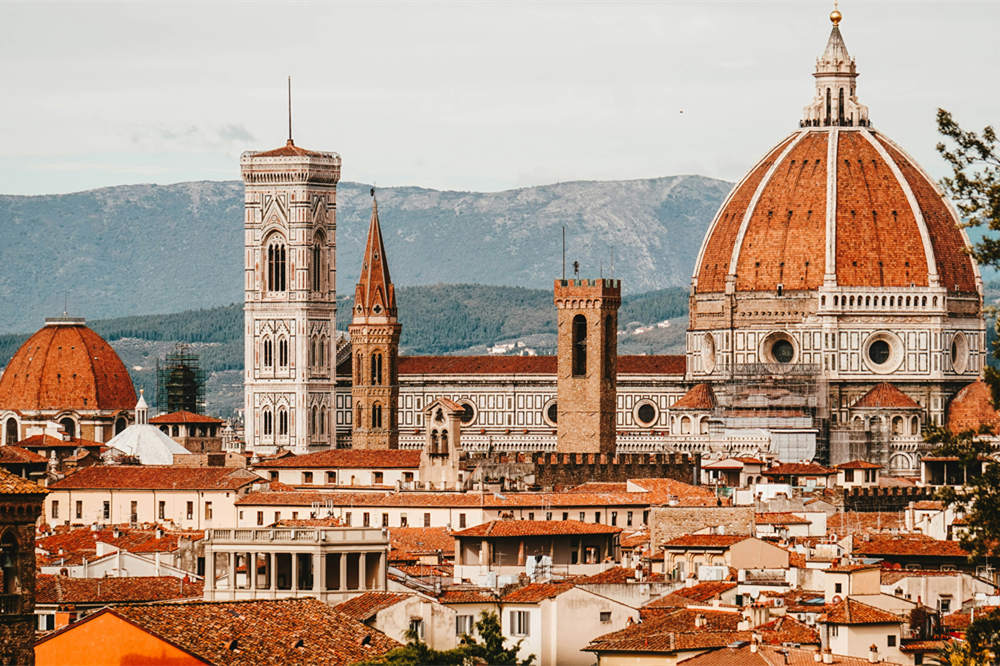
Once you have checked in, spend the afternoon learning Florence on foot. Start around the Cathedral of Santa Maria del Fiore, continue toward Piazza della Signoria, and then walk toward the Arno and Ponte Vecchio.
There is no need to enter every monument today. The purpose of the afternoon is to enjoy Florence and understand the layout before your main museum visit.
Cross the river into Oltrarno for dinner or an evening drink. It provides a natural change of atmosphere while keeping you within walking distance of the center.
Day 5: Choose One Major Florence Museum
Instead of trying to complete Florence’s major museums in a single day, choose the one that interests you more.
The Uffizi Gallery is the stronger choice if Renaissance painting is one of the main reasons you came to Florence. If Michelangelo’s David is the priority, choose the Galleria dell’Accademia.
Both normally close on Mondays, so adjust this day when necessary. The Accademia also identifies B-Ticket as its authorized official online ticketing channel, making it worth checking the museum’s own information before purchasing elsewhere.
After your museum, keep the rest of the day flexible. Santa Croce, a market, a leisurely lunch, artisan streets in Oltrarno, or simply wandering the compact center are all good possibilities.
Palazzo Pitti or the Boboli Gardens can be added if you still want more structured sightseeing, but there is little benefit in forcing another major attraction into the day if you are already museum-fatigued.
Day 6: Siena or Chianti
Use your third Florence night to see another side of Tuscany, but choose one type of excursion instead of attempting Siena, Pisa, San Gimignano, and multiple wineries in the same day.
Option 1: Siena
Siena is the better choice for couples who want a walkable historic city, medieval streets, impressive architecture, and time to explore independently.
Piazza del Campo forms the natural center of the visit, and the surrounding streets and cathedral area provide plenty for a full day. Tuscany’s official tourism site also presents walking as one of the best ways to experience Siena’s historic center.
Option 2: Chianti
Choose Chianti if you would rather spend the day among small towns, vineyards, rural landscapes, and long lunches. The region between Florence and Siena is deeply connected to Tuscany’s wine and food traditions.
Public transportation is less convenient for hopping between rural locations, so a small-group excursion, private driver, or carefully planned rental car can make this day easier.
If you plan to taste wine, arranging transportation also means neither partner has to be the designated driver.
Days 7–9: Venice
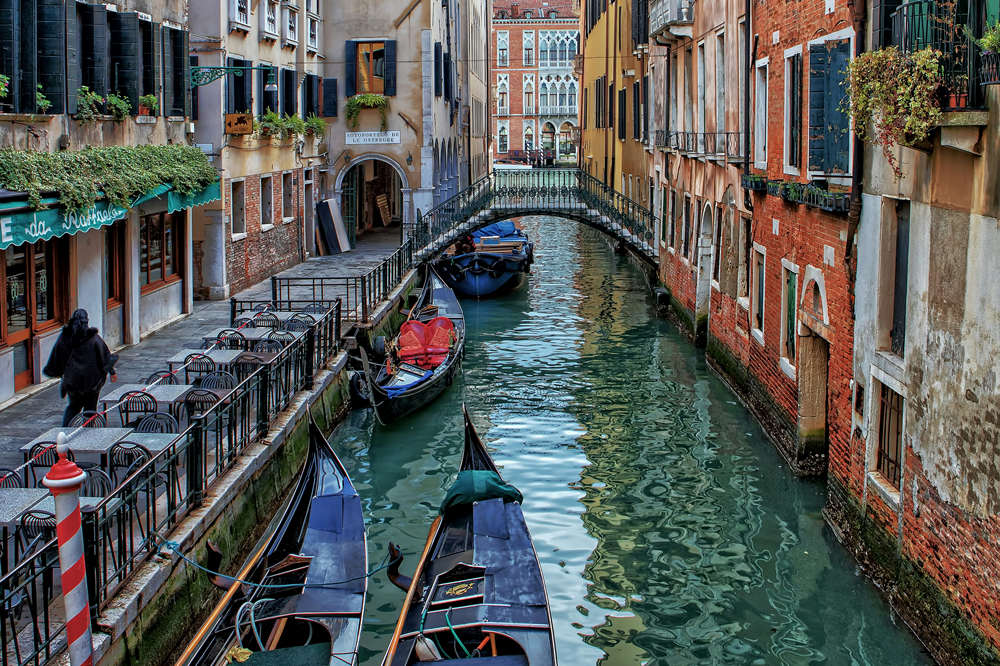
Day 7: Florence to Venice
Travel from Firenze Santa Maria Novella to Venezia Santa Lucia. Some high-speed services complete the journey in around two hours, leaving most of the afternoon available.
Make sure you recognize the difference between Venezia Mestre and Venezia Santa Lucia when booking. Mestre is on the mainland; Santa Lucia delivers you directly into historic Venice.
If your accommodation budget allows, stay in Venice itself rather than commuting from Mestre. The historic city takes on a different atmosphere early in the morning and later in the evening when many day visitors have left.
Do very little on your first afternoon. Walk toward Rialto, follow canals rather than constantly checking the fastest route, stop for cicchetti, and let getting slightly lost become part of the experience.
Day 8: St. Mark’s Square and the Grand Canal
Group the major San Marco sights together. St. Mark’s Basilica and Doge’s Palace are close enough that visiting them on the same day avoids needless backtracking.
Check current admission for St. Mark’s Basilica through its official ticket office. The basilica remains an active religious site, so access arrangements can be affected by liturgical needs and other operational changes.
For Doge’s Palace, use the official Venezia Unica museum ticket information.
Later, see Venice from the water. A vaporetto ride along the Grand Canal provides the changing perspective of palaces, bridges, and waterfront neighborhoods without requiring a private boat.
A gondola ride can be a meaningful splurge for some couples, but it is not essential. If the experience does not justify the cost for you, spend the money on dinner or another part of the trip instead.
Day 9: Pick the Venice You Still Want to See
Your final full day has two good possibilities.
Murano and Burano: Choose the lagoon islands if you want a change from central Venice. Murano is associated with its glassmaking tradition, while Burano offers a distinctly different island setting.
Cannaregio and Dorsoduro: Stay in Venice if you would rather slow down. Explore quieter streets, stop at smaller churches or museums if something catches your attention, take a long lunch, and leave room for an unscheduled final evening.
After more than a week of sightseeing, the second option often suits couples who value atmosphere over adding another destination to the list.
Day 10: Departure
Do not build the final morning around an attraction you would be disappointed to miss. Have breakfast, take a short walk if time permits, and allow a generous margin for getting to the airport or railway station.
When comparing flights, look at open-jaw itineraries that arrive in Rome and depart from Venice. If fares or schedules are substantially better in the opposite direction, simply reverse the entire route.
Where to Stay on This 10-Day Italy Trip
Rome
Centro Storico works well if being within walking distance of famous squares and historic streets matters most. It is convenient but can be expensive.
Monti is useful for the Colosseum area and has plenty of places to eat and drink. Trastevere suits couples who prioritize evening atmosphere, although some streets can be lively at night.
Florence
The historic center is the simplest option for first-time visitors because so many attractions are reachable on foot.
Staying around Santa Maria Novella is especially convenient when traveling by train, while Oltrarno can suit couples who care more about neighborhood atmosphere than having the Duomo immediately outside the hotel.
Venice
San Marco offers maximum sightseeing convenience but often at a premium. San Polo is central around the Rialto area, while Cannaregio can balance local atmosphere with convenient access to Santa Lucia station.
Mainland Mestre usually gives you more accommodation for the money. For only three nights, however, staying in historic Venice can be worth the additional cost because you avoid daily commuting and can enjoy the city at its quieter hours.
Getting Between Rome, Florence and Venice
High-speed rail is the simplest transportation choice for this itinerary. Trenitalia Frecciarossa serves major Italian city centers, while Italo provides another high-speed option on many of the same routes.
| Route | Approximate Fastest Journey | Main Stations |
|---|---|---|
| Rome to Florence | A little over 1½ hours | Roma Termini → Firenze Santa Maria Novella |
| Florence to Venice | About 2 hours | Firenze Santa Maria Novella → Venezia Santa Lucia |
Actual schedules and journey times vary by departure, so check the rail operator for your dates rather than building the trip around these approximate times.
Booking earlier can provide a wider choice of departures and fare types. One situation where a tightly timed advance ticket is less appealing is immediately after an international flight, when delays can make the connection stressful.
Pack with train travel in mind. A manageable suitcase is much easier to move through stations, historic streets, and Venice’s bridges than oversized luggage.
How Much Should a Couple Budget for 10 Days in Italy?
There is no single meaningful “average” cost because hotel dates, room standards, restaurant choices, and paid experiences change the total dramatically.
The figures below are CouplesCoordinates editorial planning estimates for August 2026. They are intended to help two adults establish an initial trip budget, not to represent live package prices.
| Travel Style | Planning Estimate for Two | Typical Approach |
|---|---|---|
| Budget-conscious | About €2,500–€3,600 | Simple accommodation, casual meals, public transportation, and selective paid attractions |
| Mid-range | About €3,800–€5,700 | Comfortable well-located hotels, regular restaurant meals, major sights, and a few paid experiences |
| Higher comfort | About €5,800–€9,000+ | Upscale accommodation, higher-end dining, premium rooms, and more private experiences or transfers |
These estimates assume nine hotel nights, Rome-to-Florence and Florence-to-Venice transportation, ordinary local transportation, meals, and typical sightseeing expenses.
They exclude international airfare, travel insurance, shopping, major luxury purchases, and unusually expensive private experiences. Hotel prices are the largest variable, so price your actual dates before deciding which budget band fits.
Best Time for a 10-Day Italy Trip
Spring works well for travelers who want longer daylight without the peak heat of midsummer. Popular destinations can still be busy, particularly around holidays.
Summer brings long days but can also mean high temperatures and heavy visitor numbers. Plan slower afternoons and do not assume you will want to walk continuously from morning until evening.
Early fall is particularly appealing when the Tuscany component matters to you. Temperatures can still be warm, but important museums and landmarks should not be assumed to be quiet simply because summer has ended.
Winter can suit couples focused on museums, food, and city exploration rather than warm-weather activities. The tradeoff is shorter daylight and cooler conditions.
What Should You Book in Advance?
Start with flights and hotels because those determine the structure of the entire trip. Compare a conventional round trip with an open-jaw flight into Rome and out of Venice.
Once the route is fixed, prioritize whichever major attractions matter most to you:
- Colosseum
- Vatican Museums
- Uffizi Gallery or Accademia
- St. Mark’s Basilica
- Doge’s Palace
- A guided Chianti excursion, if you choose one
Then book high-speed trains when you are comfortable committing to departure times.
Always check museum opening days against your actual calendar before purchasing multiple tickets. That small step is more useful than blindly following Day 2, Day 3, or Day 5 exactly as numbered.
Practical Tips for Couples Traveling Around Italy
- Keep some evenings reservation-free. Not every memorable part of the trip needs a ticket.
- Avoid stacking major museums. One substantial museum or archaeological complex is enough for many days.
- Wear shoes suited to serious walking. Historic centers, uneven paving, stairs, and Venice’s bridges accumulate quickly.
- Make meals part of the schedule. Allow enough time to enjoy lunch or dinner rather than treating food as an obstacle between attractions.
- Pack lighter than your airline allowance permits. Train travel becomes easier when neither partner is wrestling with oversized luggage.
- Leave one portion of the trip flexible. Weather, fatigue, transport disruption, or discovering somewhere you want to stay longer may change your plans.
Be Careful if You Drive in Florence
If you rent a car for Tuscany, do not casually drive into central Florence. Much of the historic center is covered by the ZTL, or limited-traffic zone, and the city’s official tourism service warns that the center is not suited to ordinary car traffic.
Check the current Florence ZTL guidance and ask your hotel for parking or vehicle-access instructions before driving toward your accommodation.
Check Venice Rules Close to Departure
As of August 2026, Venice’s 2026 Access Fee trial has ended. The city’s official site states that the fee stopped applying from July 27, 2026, and that decisions about possible future application belong to the Municipality of Venice.
Because this policy can change from year to year, check the official Venice Access Fee site shortly before traveling rather than relying on older articles.
Should You Add the Amalfi Coast, Cinque Terre, or Lake Como?
Only if you are willing to remove something else.
Amalfi Coast: If southern Italy is a priority, consider replacing Venice with Naples and the Amalfi Coast instead of adding them to this route.
Cinque Terre: This fits more naturally with Florence, but giving it worthwhile time usually means replacing your Siena or Chianti day—or shortening another destination.
Lake Como: It makes more sense as part of a northern itinerary involving Milan than as an extra stop squeezed between Rome, Florence, and Venice.
For most first-time couples, three hotel bases in 10 days strike a useful balance. If you prefer an even slower trip, skip the Tuscany excursion and use that day as an additional Florence day rather than introducing a fourth base.
Final Thoughts
Rome, Florence, Tuscany, and Venice give a first 10-day Italy trip plenty of variety without requiring constant hotel changes. Ancient sites, Renaissance art, countryside, local food, and Venice’s canals all fit into one straightforward northbound route.
Reserve the experiences that genuinely require planning, use high-speed trains for the major transfers, and leave enough empty space to enjoy where you are. Italy will still have plenty left for another trip.