16 Best Destination Wedding Locations in the US for Every Wedding Style
A destination wedding does not require an international flight. Across the United States, couples can celebrate beside tropical beaches, among desert cliffs, in wine country, beside alpine lakes, or in cities where food and nightlife become part of the wedding weekend.
The right choice is about more than the ceremony backdrop. Travel time, hotel prices, weather, transportation, activities, and how much effort the trip asks of guests can matter just as much as the venue itself.
This guide focuses on destinations within the 50 states. U.S. territories offer additional possibilities—Puerto Rico, for example, does not require a passport for U.S. citizens traveling from the mainland—but those deserve separate consideration because their travel and marriage requirements differ.
Destination Weddings in the US at a Glance
| Destination | Best For | Good Time to Consider | Main Tradeoff |
|---|---|---|---|
| Maui, Hawaii | Tropical resort weddings | Year-round | Longer and often expensive flights |
| Napa Valley, California | Food and wine weekends | Spring through fall | High lodging and event costs |
| Lake Tahoe, California/Nevada | Lake and mountain scenery | Summer or winter | Ground transportation and weather |
| Palm Springs, California | Resort-centered celebrations | Fall through spring | Extreme summer heat |
| Sedona, Arizona | Small scenic weddings | Spring and fall | Heat and outdoor-access logistics |
| Las Vegas, Nevada | Maximum flexibility | Spring and fall | Busy atmosphere may not suit everyone |
| Aspen, Colorado | Upscale mountain weddings | Summer or winter | Higher guest costs |
| Jackson Hole, Wyoming | Western outdoor celebrations | Summer and early fall | Remote location and peak-season demand |
| New Orleans, Louisiana | Food, music, and culture | Fall through spring | Heat and major-event weekends |
| Charleston, South Carolina | Historic coastal elegance | Spring and fall | Summer heat and storm season |
| Key West, Florida | Relaxed island weddings | Year-round, with weather considerations | Hurricane-season travel risk |
| New York City | Urban weddings | Spring and fall | Venue and hotel costs |
| Newport, Rhode Island | Coastal New England style | Late spring through early fall | Peak-season availability |
| San Juan Islands, Washington | Pacific Northwest island weddings | Warmer months | Ferry and island transportation |
| Bar Harbor, Maine | Nature-focused coastal weddings | Late spring through fall | Strong seasonality |
| Alaska | Adventure weddings | Summer | Longer, more complex travel |
1. Maui, Hawaii — For a Tropical Wedding That Feels Like a Vacation
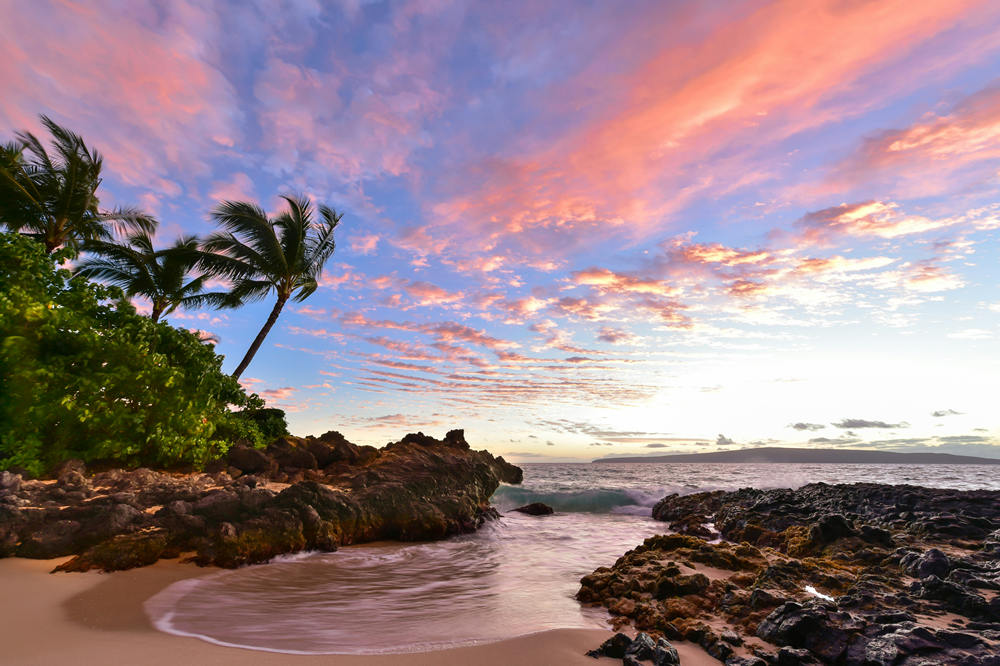
Maui is a natural fit when couples want the wedding and honeymoon atmosphere to blend together. Oceanfront resorts, beaches, tropical gardens, and smaller private venues allow celebrations to range from simple ceremonies to full resort weekends.
Weather should be researched by location rather than by island alone. Maui has several microclimates, and the official Maui weather guide notes that leeward resort areas are generally drier than the greener windward side. That makes the exact venue area more useful than a blanket rule about the “best month” to marry in Hawaii.
Guests can easily turn the trip into several vacation days, which is part of Maui’s appeal. The downside is that a Hawaii wedding asks more financially and logistically of mainland guests than many continental destinations. It is usually better suited to a group willing to make a real vacation of the journey.
2. Napa Valley, California — For Couples Who Want the Weekend to Center on Food and Wine
Napa Valley does not need elaborate wedding programming to keep guests occupied. A good meal, an afternoon tasting, spa time, and a relaxed morning in wine country can fill the spaces between wedding events naturally.
That makes Napa especially attractive to couples whose idea of a great trip revolves around restaurants, wine, conversation, and countryside rather than beaches or nightlife. The region’s wedding resources cover a wide range of venues and planning services.
The destination is not a budget shortcut. Hotels, dining, transportation, and event spaces can be expensive, particularly during popular travel periods. Couples should also confirm exactly what activities a vineyard or property is permitted to host instead of assuming every picturesque winery operates as a full wedding venue.
3. Lake Tahoe — For a Wedding That Can Be Completely Different by Season
Lake Tahoe can support two almost opposite versions of a destination wedding. In summer, the experience revolves around blue water, trails, beaches, boating, and pine-covered mountains. In winter, snow, skiing, fireplaces, and lodge settings take over.
That seasonal personality gives couples a clear choice rather than a generic mountain backdrop. Outdoor-oriented guests can build their own itinerary, which means the couple does not need to organize entertainment for every free hour.
Logistics deserve more attention here than at a city wedding. Depending on where the venue sits around the lake, guests may need rental cars or arranged transportation after flying into a regional airport. Winter weddings need additional flexibility for road and weather conditions.
4. Palm Springs, California — For an Easy Resort Wedding Weekend
Palm Springs is strongest when couples want the ceremony, reception, hotel rooms, pool time, and much of the social weekend concentrated in one area. Mid-century architecture, desert mountains, palms, courtyards, and resort properties give the destination a distinctive visual identity without requiring complicated décor.
The Greater Palm Springs tourism office highlights hotels, gardens, private clubs, ranches, and other wedding settings across the region. Staying at or near the venue can also reduce one of the most annoying destination-wedding problems: constantly moving guests between locations.
The major constraint is temperature. Outdoor celebrations are far more comfortable during cooler months than in the height of summer. For couples envisioning dinners outside, poolside gatherings, and sunny afternoons, season should be decided before venue aesthetics.
5. Sedona, Arizona — For a Smaller Celebration With a Dramatic Natural Backdrop
Sedona works best when the landscape is meant to do much of the visual work. Its red-rock formations provide a strong setting for intimate weddings, and resorts, private venues, chapels, and approved outdoor locations offer alternatives to a conventional ballroom.
A three- or four-night trip can be enough for guests to combine the wedding with hiking, scenic drives, restaurants, and spa time. Couples therefore have little reason to fill every day with group events.
The important question is access. A viewpoint that looks perfect in photographs may require walking, limited parking, or rules governing group use. Heat can also affect midday plans. If older relatives or guests with mobility concerns are attending, evaluating the route from vehicle to ceremony site is more useful than choosing purely by scenery.
6. Las Vegas, Nevada — For Couples Who Want Choices
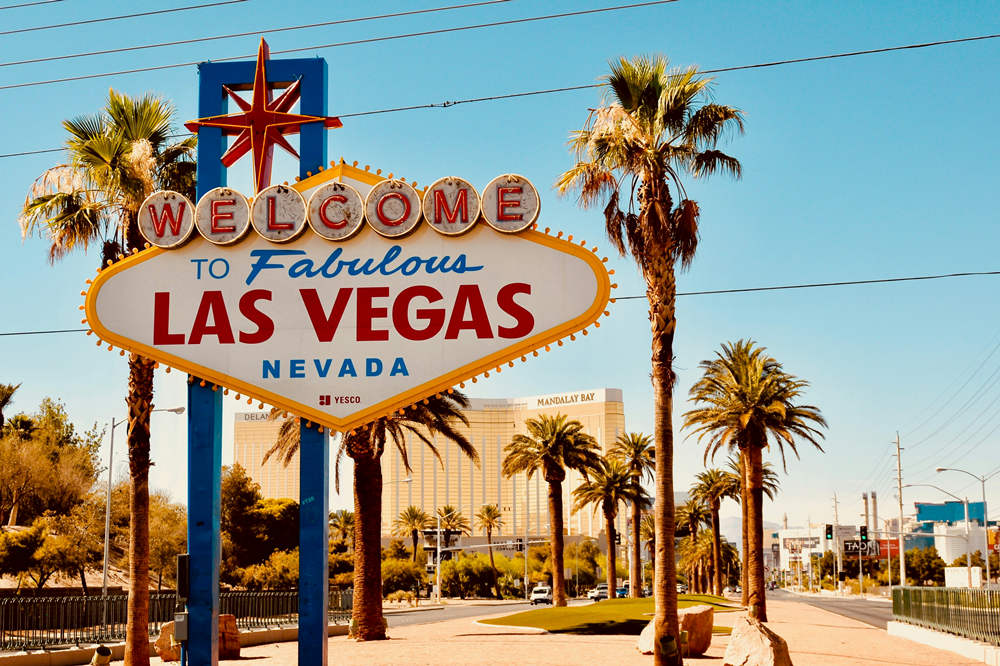
Las Vegas can be as simple or elaborate as the couple wants. A quick ceremony is still possible, but so are restaurant buyouts, rooftop events, large hotel receptions, poolside weekends, desert ceremonies, and small luxury gatherings.
Its real advantage is not a particular wedding style. It is infrastructure. Guests have a huge selection of hotels and can entertain themselves with restaurants, shows, spas, casinos, shopping, and nightlife rather than relying on a scheduled wedding itinerary.
Vegas also accommodates very different guest counts better than many remote destinations. Couples can keep everything tiny or scale the celebration considerably without leaving the same general resort corridor.
It is less compelling for couples seeking quiet seclusion. For everyone else, few U.S. destinations make it easier to give guests different budgets and different ways to spend their free time.
7. Aspen, Colorado — For a Polished Mountain Celebration
Aspen pairs mountain scenery with an established luxury travel infrastructure. Hotels, restaurants, ranch-style properties, and mountain venues make it possible to plan a high-end wedding without asking guests to give up dining and lodging choices.
Summer suits couples imagining green landscapes, hiking, outdoor dinners, and longer days. Winter changes the purpose of the trip: guests can ski, gather around fireplaces, and treat the wedding as part of a snow vacation.
The budget needs to be realistic from the beginning. Aspen lodging and travel can put significant pressure on guests, especially around busy periods. Before committing, compare room rates for the actual wedding dates rather than assuming the town will fit everyone’s travel budget.
8. Jackson Hole, Wyoming — For a Western Wedding Built Around the Outdoors
Jackson Hole has a more rugged personality than Aspen. The Tetons, ranches, lodges, wildlife, and surrounding public lands give the destination a strong Western identity that feels connected to place rather than created specifically for weddings.
It is a good match for guests who might extend the trip for hiking, scenic drives, wildlife viewing, horseback riding, or time near Grand Teton National Park. A wedding here works particularly well when the couple is comfortable giving everyone unstructured time to explore.
Although the region has its own airport, the trip can still become expensive during high-demand periods. Encourage guests to look at transportation and lodging before sending save-the-dates, especially if most invitees will be traveling from the East Coast or smaller cities.
9. New Orleans, Louisiana — For a Wedding Weekend With Its Own Sound and Flavor
New Orleans does not need to be dressed up to feel distinctive. Courtyards, historic buildings, restaurants, live music, neighborhood streets, and the city’s culinary traditions can shape the celebration from the welcome dinner onward.
This is one of the strongest choices for couples whose guests prefer cultural experiences over outdoor adventure. People can spend their free time eating, listening to music, visiting museums, exploring architecture, or simply walking through central neighborhoods.
Date selection matters. Major festivals and events can affect hotel availability and rates, while the hottest part of the year can be uncomfortable for long outdoor ceremonies. Checking the city calendar before signing contracts can prevent the wedding from unintentionally competing with a major event weekend.
10. Charleston, South Carolina — For Historic Style Without a Resort Setting
Charleston suits couples who want an elegant setting but would rather have guests experience a city than remain inside a resort complex. Historic streets, gardens, waterfront areas, restaurants, and nearby coastal communities create enough variety for a full weekend.
Staying centrally can simplify the guest experience because many meals and activities can be reached without building every outing around group transportation. The wedding itself can range from a garden or courtyard gathering to a larger reception at an established event property.
Spring and fall generally make outdoor plans easier than the hottest months. Couples considering late summer or fall should also build weather flexibility into contracts and travel plans because the southeastern coast can be affected by tropical systems.
11. Key West, Florida — For an Island Wedding Without Leaving the Continental US
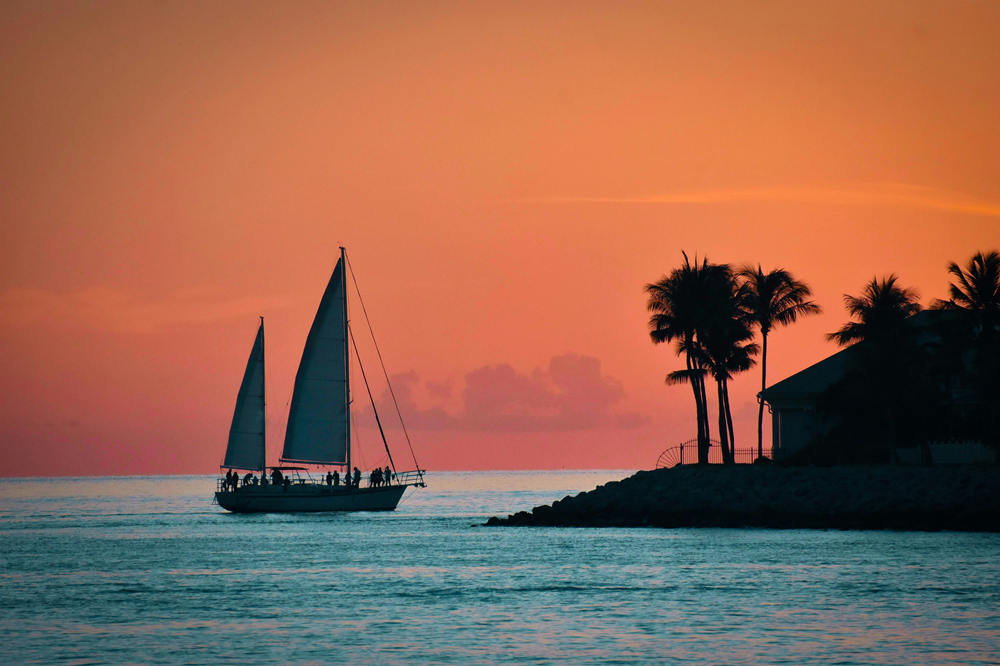
Key West has the relaxed rhythm many couples want from a tropical wedding: waterfront venues, boats, gardens, smaller resorts, sunsets, restaurants, and a compact town where guests can spend much of the weekend at their own pace.
There is no need to limit Key West to winter weddings. Official Florida Keys wedding guidance describes weddings as possible year-round, with several popular periods across spring, summer, and fall. The more useful planning issue is weather risk rather than declaring one narrow “best season.”
The Atlantic hurricane season officially runs from June through November, so couples considering those months should review the Florida Keys hurricane information, cancellation policies, and travel-insurance options before committing significant nonrefundable money.
For the right group, the benefit is simplicity: once guests arrive, the destination itself provides boating, dining, nightlife, and plenty of unstructured vacation time.
12. New York City — For a Wedding Where Guests Create Their Own Trip
New York solves the entertainment problem instantly. Couples do not have to arrange excursions because guests can build their own time around museums, Broadway, restaurants, parks, neighborhoods, shopping, and nightlife.
The city also works at almost any wedding scale. A couple might marry in a small ceremony and reserve a private dining room afterward, or host a much larger reception in a hotel, loft, restaurant, or dedicated event venue.
The complication is movement. Two locations that appear close on a map can become inconvenient when dozens of formally dressed guests have to move between them. Keeping the primary hotel, ceremony, and reception within the same general area can be more valuable than finding the most dramatic venue in each category.
Cost is the other obvious consideration, so providing several hotel suggestions at different price levels can make a substantial difference for guests.
13. Newport, Rhode Island — For Classic Coastal New England
Newport combines harbors, ocean views, historic architecture, large estates, and a walkable coastal atmosphere. It feels traditional without being interchangeable with an inland ballroom wedding.
The destination is particularly attractive when the weekend extends beyond the reception. Sailing, historic sites, coastal walks, restaurants, and waterfront time give guests easy ways to enjoy an extra day.
The catch is popularity. Summer and early-fall weekends can create competition for hotels and event spaces, so the room situation should be investigated at the same time as the venue rather than after contracts are signed.
Newport makes the most sense for couples who want coastal scenery but prefer New England architecture and harbor culture to a tropical beach resort.
14. San Juan Islands, Washington — For a Quiet Pacific Northwest Island Wedding
The San Juan Islands bring something the list otherwise lacks: a Pacific Northwest island experience. Forested shorelines, farms, rocky coasts, small towns, docks, inns, and waterfront properties create a setting that feels calm and naturally scenic rather than resort-driven.
The official San Juan Islands wedding guide includes venues and services on San Juan, Orcas, and Lopez islands. Couples can choose everything from farms and gardens to historic properties and waterfront settings, which makes the islands suitable for intimate celebrations as well as larger gatherings.
The journey is part of the planning. Guests may need to coordinate ferries, flights, rental vehicles, or other island transportation, so this is not the destination for a wedding built around quick arrivals and last-minute travel.
For couples who value quiet scenery, outdoor time, local food, and a slower weekend, that extra journey can be part of the appeal rather than a drawback.
15. Bar Harbor, Maine — For a Wedding Near Acadia and the Maine Coast
Bar Harbor works for couples who would rather spend their wedding trip around rocky coastline, forests, hiking trails, boats, and seafood than inside a large resort complex. Its location beside Acadia National Park gives guests an obvious reason to extend the stay.
The destination can support a relatively light itinerary. Instead of scheduling multiple hosted activities, couples can let guests explore Acadia, take a boat trip, walk around town, or spend time along the coast before meeting again for the wedding.
Seasonality is the important constraint. Lodging and visitor activity are concentrated much more heavily in the warmer part of the year, while peak summer demand can make rooms harder to secure. Guest accommodation deserves early attention if the wedding falls during the busiest travel period.
16. Alaska — For Couples Who Want the Journey to Be Part of the Wedding
Alaska is not the easiest option on this list, and that is exactly why it appeals to some couples. Glaciers, mountains, coastal landscapes, wildlife, and long summer daylight can turn the wedding into a genuine adventure rather than a conventional weekend away.
Anchorage and Girdwood
Anchorage offers the practical advantages of a larger transportation hub, while nearby Girdwood provides a more mountain-focused atmosphere. Using Anchorage as the arrival point and holding events farther into the surrounding landscape can balance access with scenery.
Juneau
Juneau offers a different experience, surrounded by coastal mountains and accessible on a different travel pattern from much of mainland Alaska. It is particularly appealing for smaller groups willing to stay several days rather than flying in for a single night.
Alaska should be planned by exact community, not as one general destination. Distances, road connections, flights, and lodging vary dramatically. Before choosing a venue, map the full guest journey from home airport to hotel to ceremony site.
For an adventurous group, however, the effort can create something few other domestic wedding destinations can match: a trip people would likely remember even without the wedding at its center.
How to Choose the Right US Destination Wedding Location
Start by removing the destinations that do not work logistically. The most photogenic option on your list is not useful if half your guests cannot reasonably reach or afford it.
Map the Full Journey
Do not stop at the nearest airport. Look at direct-flight availability, connecting flights, drive time, ferries, parking, rental cars, and transportation after dark. A destination that requires several handoffs may be fine for a 20-person adventure wedding but frustrating for a 150-person event.
Think About Who Is Actually Attending
A young group that travels frequently may happily navigate ferries in Washington or a long flight to Alaska. A multigenerational guest list may benefit more from Las Vegas, New York, New Orleans, or a resort where accommodation and wedding events sit close together.
Mobility also matters. Ask how far guests must walk, whether the venue has stairs or uneven terrain, and whether taxis or shuttles can reach the entrance directly.
Choose a Destination That Works Without Constant Programming
A strong wedding destination gives guests worthwhile ways to use unscheduled time. Before booking, ask:
- Can guests find meals without organized transportation?
- Are there both active and relaxed things to do?
- Is there something enjoyable for people who do not drink?
- Can guests participate without buying expensive excursions?
- Would the destination still be worth visiting if the wedding occupied only one day?
If the answer to most of those questions is yes, the wedding weekend becomes easier for everyone.
When Is the Best Time for a Destination Wedding in the US?
There is no national destination-wedding season. Geography matters more than the month printed on a wedding checklist.
Tropical and Coastal Destinations
Hawaii can be considered throughout the year, but local rainfall patterns vary considerably. Florida destinations also operate year-round, although tropical-storm risk becomes an important planning factor during hurricane season.
Desert Destinations
For Palm Springs, Sedona, and Las Vegas, heat should drive the calendar. A ceremony that sounds pleasant in spring can be physically uncomfortable in peak summer, especially when shade is limited.
Mountain Destinations
Aspen and Lake Tahoe are not simply “summer destinations.” Winter works beautifully when skiing and snow are intentional parts of the experience. Summer favors hiking, outdoor receptions, and easier road conditions. Shoulder periods may bring fewer crowds but also less predictable weather and reduced seasonal services.
Northern Coastal Destinations
Newport, Bar Harbor, and the San Juan Islands are most attractive to many couples during warmer months, when outdoor activities and waterfront experiences are easier to build into the weekend. That popularity also makes early lodging planning more important.
How Much Does a Destination Wedding in the US Cost?
No single average can tell you what your wedding will cost. A 35-person dinner in New Orleans and a 150-person resort weekend in Maui are fundamentally different events.
Still, a benchmark can help with early planning. In its February 2026 destination-wedding cost guide, Zola reported an average destination-wedding cost of about $39,000, while also describing a broad range of roughly $25,000 to $40,000 for many celebrations. Treat that as industry context rather than a target.
The same source estimated that guests attending domestic destination weddings may spend roughly $1,500 to $3,500 on flights, hotels, meals, and activities. That number will vary enormously, but it is a useful reminder that affordability should be considered from both sides of the invitation.
Build your own budget around the expenses that actually apply:
- Venue and ceremony fees
- Food and beverages
- Planner or coordinator
- Photography and entertainment
- Flowers, décor, and rentals
- Ground transportation
- Welcome events or farewell brunches
- Travel for the couple or wedding party
- Accommodation you choose to cover
- Marriage licenses and ceremony permits
- Weather backup plans
Domestic should not be confused with inexpensive. Napa, Aspen, Hawaii, New York, and other high-demand destinations can easily cost more than a hometown wedding in a lower-cost region.
Marriage Licenses, Park Permits, and Local Rules
Legal requirements should be checked with the government office responsible for the place where the marriage will occur. Rules can differ by state and locality, so instructions from your home state may have little relevance at the destination.
Confirm:
- Where and how to apply for the marriage license
- Whether both partners must appear in person
- Required identification
- Any waiting period
- How long the license remains valid
- Witness requirements
- Who may legally perform the ceremony
Hawaii shows why this research matters. Under the state’s current marriage-license process, both applicants must appear together before an authorized agent, and the ceremony must occur within 30 days after the license is issued. Hawaii does not impose a waiting period after issuance.
Outdoor weddings can involve another layer of permission. National parks and other protected public lands may require a special-use permit even for a small ceremony. For example, Rocky Mountain National Park’s wedding rules require permits and limit ceremonies to designated locations with specific group and vehicle restrictions.
Never assume that a scenic overlook, beach, trail, park, or public lawn can automatically be used for a wedding simply because visitors may normally enter it.
How to Make a Destination Wedding Easier for Guests
A destination wedding asks guests to commit money, travel time, and often vacation days. The most thoughtful response is not to fill every hour with entertainment—it is to make the trip easy to understand.
- Send notice early. Guests need more time when flights, ferries, or seasonal accommodations are involved.
- Provide several lodging options. A luxury host hotel should not be the only practical choice when more affordable rooms exist nearby.
- Explain transportation clearly. Tell guests whether they truly need a rental car and which events include a shuttle.
- Separate hosted and optional events. People should know which meals and activities they are expected to pay for.
- Share useful destination information. Include weather, airport choices, dress considerations, and realistic travel times.
- Protect some free time. Guests traveled somewhere interesting; they should have an opportunity to experience it.
Which Destination Wedding Location Fits Your Trip?
Instead of choosing from 16 places at once, start with the experience you want to share.
- Tropical and island-focused: Maui or Key West
- Food and wine: Napa Valley or New Orleans
- Mountain scenery: Aspen, Jackson Hole, or Lake Tahoe
- Desert atmosphere: Palm Springs or Sedona
- Entertainment and nightlife: Las Vegas or New York City
- Historic coastal character: Charleston or Newport
- Quiet northern scenery: Bar Harbor or the San Juan Islands
- Adventure: Alaska
The ceremony is only a few hours of the trip. Look at how people will arrive, where they will sleep, what they can do independently, how weather affects the plan, and how much the weekend is likely to cost them.
When the destination works for both the wedding and the journey around it, a U.S. destination wedding can feel like a genuine shared vacation rather than simply a ceremony held far from home.