
10 Best Wedding Destinations in Italy for Every Style of Celebration
Italy can provide almost any destination-wedding setting, from vineyard estates and lakeside villas to mountain lodges and historic city palaces. Its official tourism resources highlight wedding settings across Italy that include lakes, Mediterranean coasts, countryside properties, and cities of art.
The right destination depends on more than scenery. Venue style, guest count, seasonal conditions, transportation, and accommodation all shape how the celebration will feel. The following destinations offer ten distinct versions of an Italian wedding rather than ten variations of the same experience.
1. Tuscany: The Most Versatile Countryside Choice
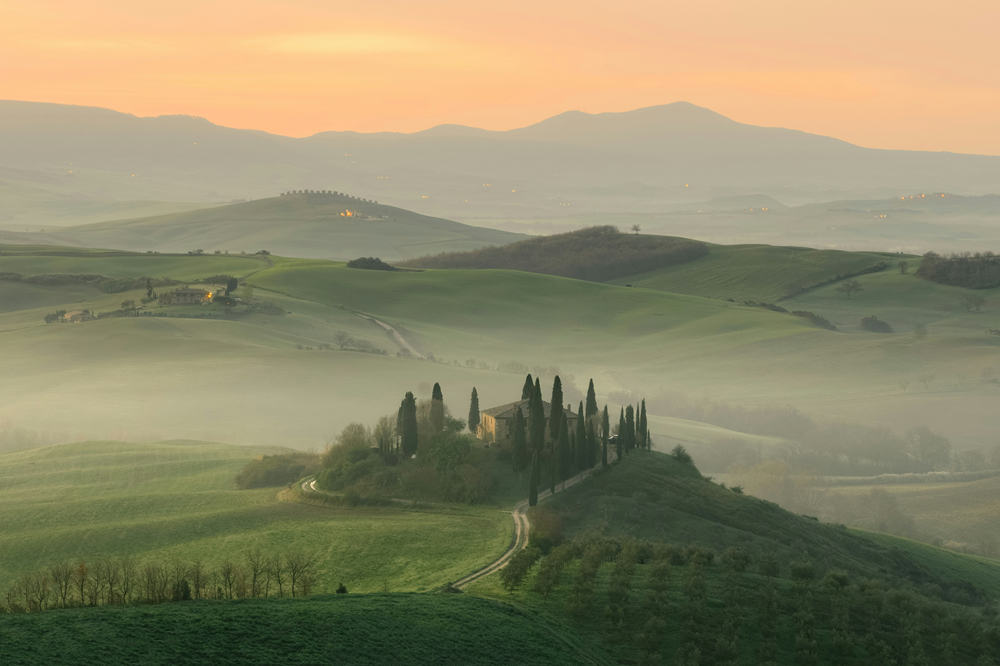
Best for: Vineyard weddings, historic villas, outdoor dinners, and couples who want several venue styles within one region.
Tuscany is one of Italy’s most adaptable wedding destinations. Its landscape includes wine estates, restored farmhouses, castles, formal villas, olive groves, and medieval towns. A celebration can feel elegant and structured or relaxed and rural without losing the character of the region.
Chianti is convenient for couples who want vineyards within reach of Florence. The Val d’Orcia offers more expansive countryside and smaller hill towns, while the area around Siena suits celebrations built around medieval architecture and quiet estates. Many properties can host the ceremony, dinner, and accommodation in one place, making Tuscany particularly suitable for a full wedding weekend.
The main challenge is reaching rural venues. Trains may bring guests to Florence or Siena, but private transfers are often needed for the final part of the journey. Couples should confirm whether the estate can accommodate everyone on-site or whether nearby lodging and scheduled shuttles will be necessary.
2. Lake Como: For Formal Lakeside Elegance
Best for: Intimate or medium-sized weddings centered on historic villas, landscaped gardens, and polished service.
Lake Como has a refined, architectural atmosphere. Waterfront villas, grand hotels, stone villages, and mountain views create a setting that feels formal even before flowers or decor are added.
Cernobbio offers comparatively easy access from the city of Como, while Bellagio, Varenna, and Tremezzina place guests deeper within the lake landscape. Depending on the venue, boats may be used for arrivals, portraits, or a private cruise between events.
The lake’s elegance comes with practical limits. Some historic properties have small capacities, strict event hours, protected interiors, or limited docking access. Boat arrangements and wet-weather spaces should therefore be confirmed before the design of the day depends on them.
3. The Amalfi Coast: For Dramatic Coastal Views
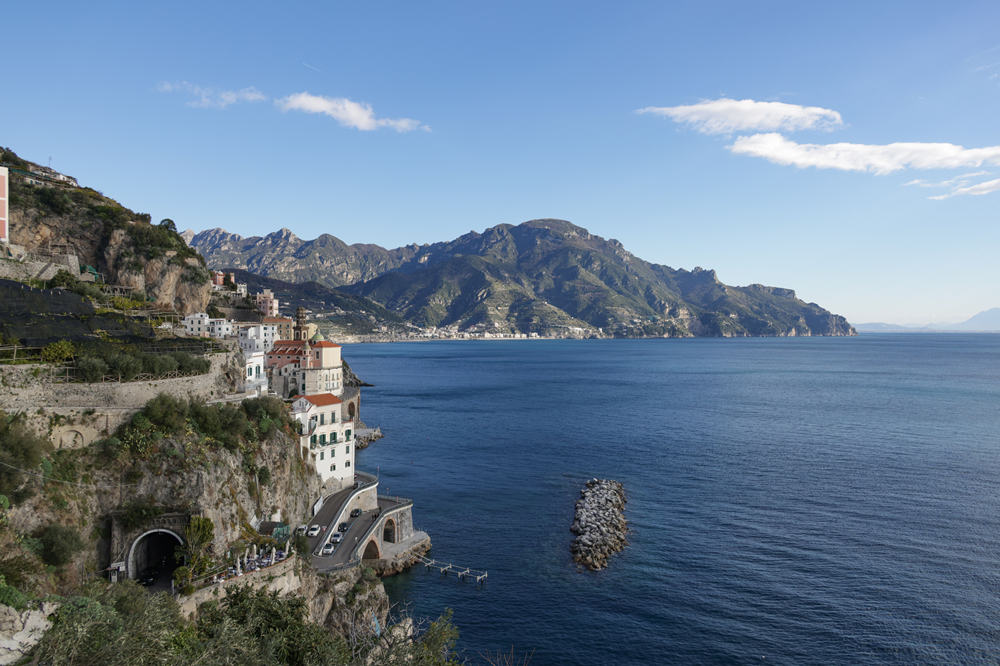
Best for: Smaller celebrations with cliffside terraces, Mediterranean scenery, and a lively southern Italian atmosphere.
The Amalfi Coast is defined by steep towns, bright coastal architecture, gardens, and views across the Tyrrhenian Sea. The landscape becomes part of almost every event, whether guests are attending a terrace ceremony, dining above the water, or taking a boat trip the following day.
Positano provides the coast’s most recognizable backdrop. Ravello feels quieter and more garden-focused from its position high above the sea, while Amalfi offers a historic center and a relatively central base. Each town creates a different wedding experience, so it is better to select one than to move guests repeatedly along the coast.
Narrow roads, traffic, stairs, and restricted parking are the primary challenges. Couples should ask exactly how guests and suppliers reach the venue, since a property that looks close on a map may still involve a long drive, a boat connection, or a steep walk.
4. Puglia: For Masserias and Relaxed Southern Style
Best for: Courtyard dinners, olive-grove ceremonies, regional food, and celebrations that feel private without being overly formal.
Puglia offers a distinct alternative to northern villas and Tuscan wine estates. Many weddings take place at traditional masserie, fortified rural properties that have been converted into hotels, restaurants, or private event venues.
The countryside around Ostuni, Fasano, Monopoli, and the Valle d’Itria combines whitewashed towns, olive groves, dry-stone walls, and easy access to the Adriatic coast. A masseria can often host several parts of the weekend, from welcome drinks in a courtyard to dinner beneath the trees.
Heat is the main seasonal consideration. July and August ceremonies generally work better later in the day, with shade and cooled indoor spaces available. Because rural properties can be widely separated, the chosen venue should be reasonably close to the hotels used by most guests.
5. Sicily: For History, Coastlines, and Regional Character
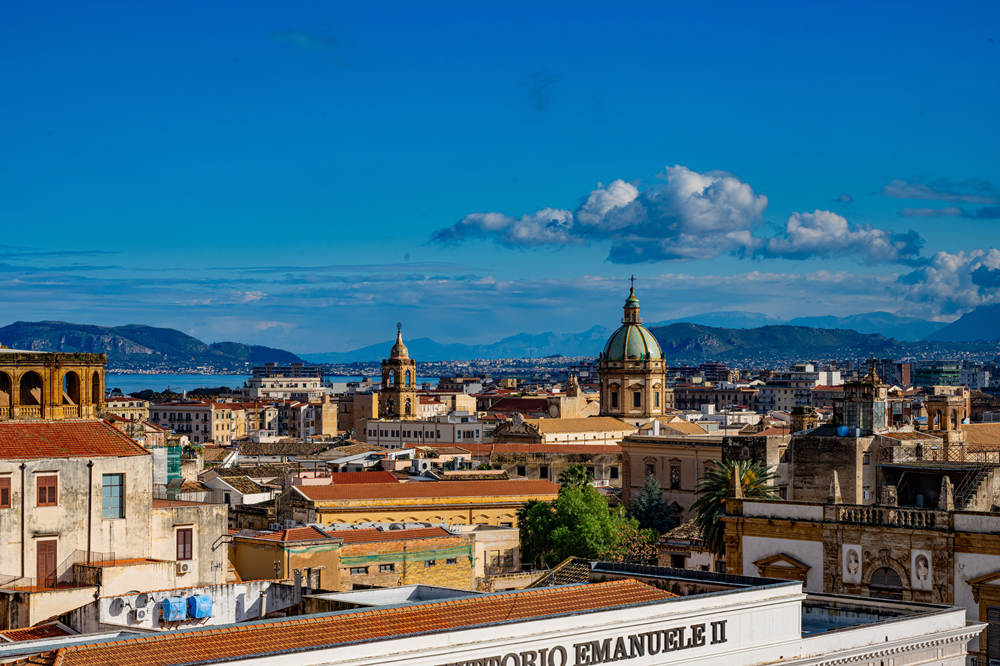
Best for: Couples who want expressive architecture, memorable food, coastal scenery, and a strong sense of place.
Sicily contains several potential wedding destinations within one large island. Taormina suits polished coastal celebrations with established hotels and views toward Mount Etna. Palermo offers palaces, churches, restaurants, and the energy of a historic city. Noto and southeastern Sicily are better for Baroque streets, warm-toned architecture, and countryside estates.
These areas should be treated as alternatives rather than parts of one wedding route. A weekend based in Taormina feels very different from one in Palermo or the southeast, and transferring between them can take several hours.
Sicily works best when guests have enough time to settle into one area. Couples should choose a base with suitable accommodations and build the celebration around that location instead of asking guests to tour the island between formal events.
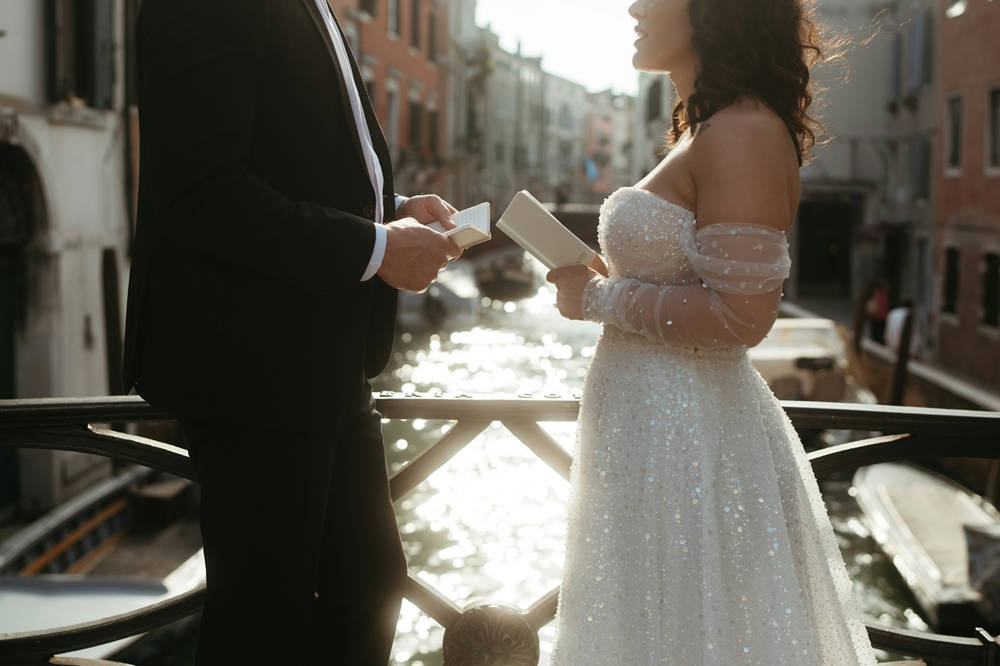
6. Venice: For Intimate, Cinematic City Weddings
Best for: Elopements and smaller weddings shaped by canals, palazzi, water taxis, and historic streets.
Venice creates an unusually immersive wedding setting because daily movement happens on foot or by boat. Historic hotels, private palazzi, hidden gardens, and lagoon-facing terraces can provide atmosphere without elaborate decoration.
The city is particularly well suited to a compact guest list. A ceremony can be followed by a water-taxi ride, photographs in a quieter neighborhood, and dinner overlooking a canal. Dorsoduro and Cannaregio offer alternatives to the busiest parts of San Marco, while Giudecca has larger hotels and broad lagoon views.
Bridges, steps, luggage handling, and boarding boats require careful coordination. Guests should also check the current Venice access-fee dates and exemption procedures. In 2026, the fee applies to day visitors on selected dates between April and July; overnight guests are exempt from payment but must register through the city’s system.
7. Rome: For Grand Architecture and a Full City Experience
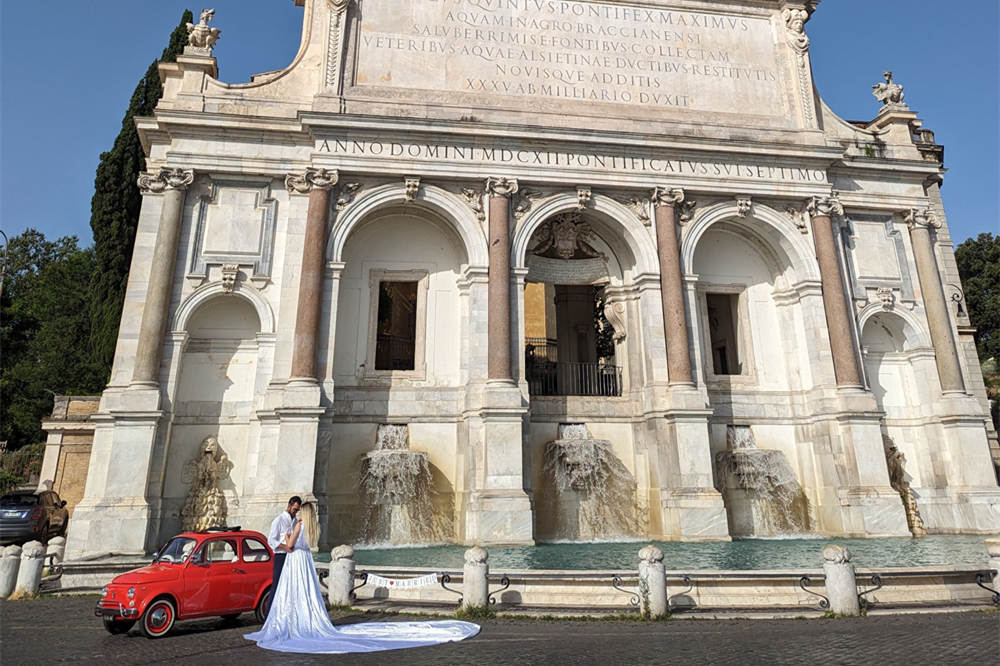
Best for: Formal city weddings with historic venues, international flight access, and plenty for guests to do independently.
Rome can support celebrations in palaces, hotels, restaurants, rooftop spaces, private villas, and countryside estates outside the center. Couples can choose a wedding that feels entirely urban or move just beyond the busiest neighborhoods for more space.
The city works especially well when guests are extending the trip. Museums, archaeological sites, public squares, churches, and distinctive neighborhoods provide natural activities without requiring every hour to be organized by the couple.
Rome also provides an official process for foreign nonresidents planning a civil marriage. The ceremony location, reception, and main hotel should still be kept relatively close together, since traffic can make apparently short journeys unpredictable.
8. Lake Garda: For Lakeside Scenery and an Active Guest Experience
Best for: Couples who want castles, resort towns, vineyards, water activities, and mountain scenery around the same lake.
Lake Garda offers a broader and more active experience than Lake Como. The southern shore has historic towns and gentler landscapes, while the north becomes more Alpine, with steep mountains and opportunities for hiking, cycling, and water sports.
Sirmione combines a compact old town with waterfront architecture. Gardone Riviera is known for elegant villas and hotels, Malcesine adds a castle and mountain views, and Riva del Garda suits couples who want the wedding to be part of an outdoor holiday.
The lake’s size is the principal planning issue. Towns on opposite shores may require a long drive or boat journey, so the wedding should be based in one area. Lake Garda is strongest when the chosen town, guest accommodations, and main venue all sit within the same part of the lake.
9. The Italian Riviera: For Refined Harbor Celebrations
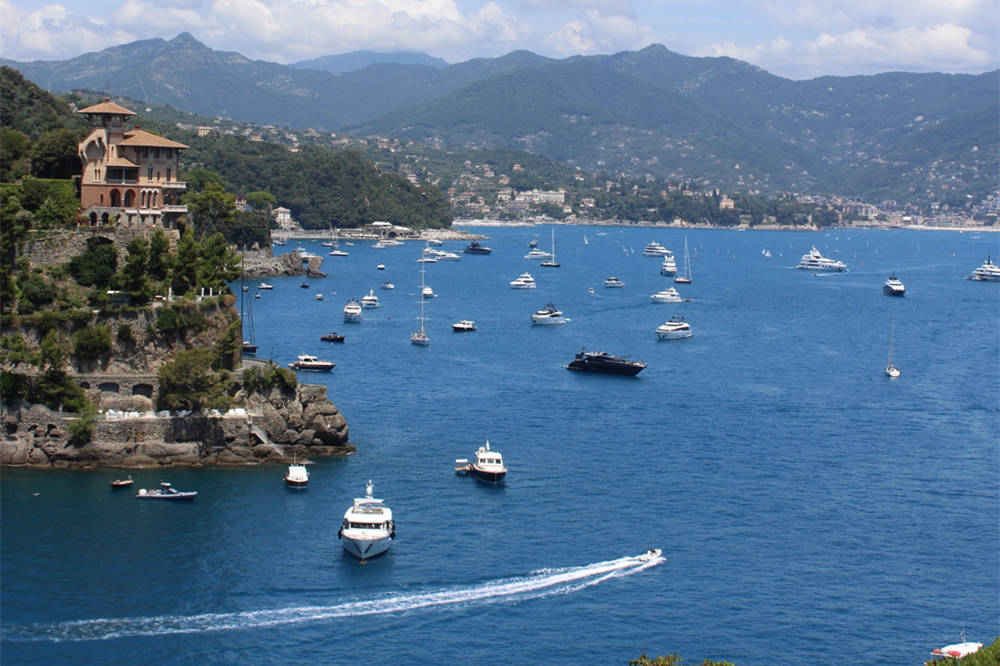
Best for: Intimate and medium-sized weddings with colorful harbors, waterfront hotels, and boat-based events.
Portofino provides the Italian Riviera’s most recognizable wedding setting, with a small harbor, pastel buildings, green hills, and polished hotels. Its compact scale creates atmosphere but limits venue capacity and accommodation choice.
Santa Margherita Ligure is often a more practical base. It has more hotels, rail access, a walkable waterfront, and convenient connections to Portofino. Couples can house guests in Santa Margherita and use Portofino for the ceremony, dinner, portraits, or a boat excursion. Rapallo provides another nearby option with a wider selection of services.
Any essential boat transfer needs a land-based alternative in case sea conditions change. Couples should also confirm how guests will return after the reception, since late-evening transport may be more limited than daytime connections.
10. The Dolomites: For Mountain Lodges and Outdoor Couples
Best for: Alpine scenery, smaller guest lists, resort stays, and couples who want outdoor activities to be part of the weekend.
The Dolomites replace Italy’s familiar vineyards and coastlines with jagged peaks, forested valleys, mountain meadows, and elegant Alpine hotels. Summer weddings can use meadow terraces and panoramic restaurants, while winter celebrations revolve around snow, fireside interiors, spas, and ski villages.
South Tyrol has a strong range of wellness hotels and mountain properties. Cortina d’Ampezzo offers a fashionable resort atmosphere, while parts of Trentino feel quieter and more closely connected to hiking, lakes, and lodge-style venues.
Seasonal access matters more here than in most Italian destinations. Mountain lifts, roads, and high-altitude properties may close between their summer and winter operating periods. The venue should confirm not only that it is open, but that the roads, transport services, and outdoor areas required for the wedding will also be available.
What to Know Before Booking a Wedding in Italy
Decide Whether the Ceremony Will Be Legal or Symbolic
A destination celebration can include an Italian civil marriage, a qualifying religious ceremony, or a symbolic ceremony after the legal marriage has been completed elsewhere. Symbolic ceremonies usually provide the greatest freedom over the location and wording.
Requirements for a legally binding wedding depend on nationality, marital history, and the municipality conducting the ceremony. Couples should obtain a written document list from the relevant comune and consult the instructions issued by their embassy or Italian consulate before arranging translations, appointments, or travel. For example, official guidance for U.S. citizens marrying in Italy identifies specific declarations and supporting records while also advising couples to verify local requirements.
Review the Complete Guest Journey
Consider the route from the nearest useful airport or rail station to the accommodation and venue. A destination may involve rural roads, boats, cobblestones, steep paths, or limited taxi service even when the international journey appears straightforward.
Guest mobility should be considered before the venue is booked, not after invitations are sent. Ask about steps, elevators, walking distances, vehicle access, and how older relatives or guests with disabilities will move between spaces.
Compare Complete Costs, Not Venue Fees
A lower rental price does not necessarily produce a less expensive wedding. Supplier travel, furniture, boat transfers, generators, shuttles, accommodation minimums, municipal charges, and weather-backup spaces can change the final cost substantially.
Compare proposals based on the same guest count and event plan. A hotel may charge more initially but include staff, rooms, catering infrastructure, and indoor space that would need to be hired separately at a private estate.
Choose the Date for the Region
Italy does not have one ideal wedding season. Southern destinations may be uncomfortably hot in midsummer, northern lakes can experience rain during popular months, and mountain venues may close between operating seasons.
Every outdoor celebration needs an indoor or covered alternative that can genuinely hold the planned guest list. The backup should be treated as a second acceptable version of the wedding rather than an emergency compromise.
Match Planning Support to the Wedding
A local planner can be valuable when the celebration includes a legal ceremony, several venues, complex transportation, or suppliers working in different languages. A small symbolic wedding held entirely at a hotel may need only the property’s coordinator and a limited number of outside vendors.
The level of help should reflect the complexity of the plans, not the fame of the destination.