Singapore Travel Guide for Couples: Where to Stay, What to Do, and How to Plan Your Trip
Singapore combines the convenience of a well-connected city with tropical gardens, multicultural neighborhoods, ambitious restaurants, waterfront walks, and striking modern architecture. It is an especially good destination for couples who want varied experiences without spending much of the trip dealing with difficult transportation.
A typical day might include breakfast at a neighborhood coffee shop, a morning among temples and shophouses, an afternoon museum or garden visit, and an evening beside the Singapore River or Marina Bay. The city is compact enough for a short break, but allowing time for meals and unplanned discoveries makes the experience far more enjoyable.
Is Singapore a Good Destination for Couples?
Singapore works particularly well for couples who enjoy food, architecture, cultural neighborhoods, museums, shopping, and organized urban travel. English is widely spoken, public transportation reaches most visitor areas, and it is easy to combine several different experiences without renting a car.
The food scene is one of the strongest reasons to visit. Chinese, Malay, Indian, Peranakan, and international influences appear across hawker centers, traditional restaurants, contemporary dining rooms, bakeries, coffee shops, and cocktail bars. A trip can feel special without relying entirely on expensive restaurants.
Singapore is also a comfortable introduction to Southeast Asia for first-time visitors. The city feels accessible, but neighborhoods such as Chinatown, Little India, Kampong Gelam, and Katong–Joo Chiat still offer distinct architecture, religious sites, food traditions, and community life.
However, the destination does not suit every romantic trip. Hotels can be expensive, alcohol is relatively costly, and the combination of heat and humidity can make tightly scheduled days exhausting. The best-known attractions also become busy during weekends, school holidays, major events, and public-holiday periods.
Couples seeking a secluded beach vacation may prefer to combine Singapore with another destination. Sentosa has beaches and resorts, but its atmosphere is developed and entertainment-focused rather than remote or tranquil.
How Many Days Should You Spend in Singapore?
Three Days
Three full days is enough for a focused stopover. You can explore Marina Bay, visit Gardens by the Bay, walk through two heritage neighborhoods, eat at several hawker centers, and plan one memorable evening.
This schedule requires clear priorities. There will be limited time for Sentosa, museums, nature reserves, or residential neighborhoods beyond the central sightseeing areas.
Four to Five Days
Four or five days is ideal for most first-time couples. It provides enough time for the major landmarks, cultural districts, gardens, museums, and a flexible final-day excursion without making every day feel hurried.
This length also leaves room for slower meals, hotel breaks during the hottest hours, and evenings that are not built around another sightseeing checklist.
Six Days or Longer
A longer visit suits travelers who enjoy a relaxed pace or want to explore beyond central Singapore. Extra time can be used for Pulau Ubin, the Southern Ridges, Katong–Joo Chiat, contemporary art, independent shops, wildlife attractions, or a full day on Sentosa.
Staying longer also makes it easier to revisit a favorite neighborhood instead of treating each district as a one-time stop.
The Best Time to Visit Singapore
Singapore has a tropical climate with abundant rainfall, high humidity, and relatively consistent temperatures throughout the year. There is no reliably cool or completely dry season, so travel dates are often better chosen around airfare, hotel prices, events, and crowd levels.
The country’s two monsoon seasons are separated by shorter inter-monsoonal periods. Rain can occur in any month, and a wet forecast does not necessarily mean continuous rain throughout the day.
December to Early March: Northeast Monsoon
The Northeast Monsoon can bring extended rainy spells, particularly when monsoon surges affect the region. Outdoor plans remain possible, but it is wise to keep museums, covered attractions, cafés, and shopping areas available as alternatives.
Christmas, New Year, and Lunar New Year can create a lively atmosphere, although hotel rates may rise and some small businesses may adjust their opening schedules around major holidays.
Late March to May: Inter-Monsoon Period
These months are often hot, with thunderstorms that tend to develop later in the day. Plan outdoor neighborhoods and gardens for the morning, then move indoors during the hottest part of the afternoon.
Because rain can be intense but localized, flexibility is more useful than trying to predict an entirely dry day.
June to September: Southwest Monsoon
The Southwest Monsoon is generally associated with drier periods than some other parts of the year, but heat, humidity, showers, and thunderstorms remain normal. Some years may also bring regional haze, depending on weather patterns and fire activity elsewhere in Southeast Asia.
Singapore’s Formula 1 weekend usually takes place during this part of the year and can significantly increase demand for centrally located hotels.
October to November: Second Inter-Monsoon Period
Afternoon and evening thunderstorms become common again. These months can still be enjoyable, especially when the itinerary alternates outdoor walks with museums, conservatories, and long meals.
Regardless of the season, pack breathable clothing, comfortable walking shoes, sun protection, a compact umbrella, and a light layer for air-conditioned interiors.
Where to Stay in Singapore for Couples
The best neighborhood depends on whether you value skyline views, nightlife, food, shopping, or a quieter local atmosphere. Staying near an MRT station is usually more useful than choosing a hotel beside one specific attraction.
Marina Bay
Marina Bay is the most dramatic base for a first visit. It places you close to the waterfront, Gardens by the Bay, the Civic District, major museums, luxury shopping, and several of Singapore’s best-known hotels.
Stay here for landmark views, polished surroundings, and short journeys to major attractions. The main drawback is cost, and parts of the district can feel more formal than residential.
Chinatown and Duxton Hill
Chinatown offers a strong combination of heritage, food, transportation, and evening activity. Temples, markets, shophouses, traditional businesses, hawker centers, and modern restaurants are concentrated within a walkable area.
Nearby Duxton Hill, Keong Saik Road, and Tanjong Pagar add cocktail bars, small restaurants, cafés, and boutique hotels. This is one of the best choices for travelers who want dinner and drinks within walking distance of their room.
Robertson Quay and Clarke Quay
The Singapore River creates a pleasant setting for evening walks and outdoor dining. Robertson Quay tends to feel calmer and more residential, while Clarke Quay has brighter nightlife and a larger concentration of late-night venues.
The area is convenient for couples who care more about riverfront atmosphere than immediate access to the city’s most famous landmarks.
Bugis and Kampong Gelam
Bugis is central, well connected, and surrounded by shopping centers, restaurants, museums, and cultural sights. Adjacent Kampong Gelam contains the Sultan Mosque, traditional textile businesses, murals, independent shops, cafés, and the busy lanes around Haji Lane.
This district provides more visual character than many central hotel zones while remaining convenient for first-time sightseeing. Explore beyond Haji Lane, which can become crowded and does not represent the entire neighborhood.
Orchard Road
Orchard Road is best for shopping, upscale hotels, and convenient access to air-conditioned malls. Several MRT stations make it easy to reach the rest of the city, while the Singapore Botanic Gardens sits nearby.
The district is comfortable and practical, although travelers who prefer heritage streets or late-night neighborhood atmosphere may find it less distinctive.
Katong and Joo Chiat
Katong–Joo Chiat offers colorful shophouses, Peranakan heritage, bakeries, cafés, and a strong concentration of local food. It feels more residential than Marina Bay, Chinatown, or Bugis.
Choose this area for a slower neighborhood experience and fewer high-rise surroundings. The tradeoff is a longer journey to several central attractions, although rail connections have made Singapore’s eastern districts easier to explore.
Sentosa
Staying on Sentosa makes sense when resort amenities are a major part of the trip. The island contains beaches, pools, spas, theme parks, restaurants, and large entertainment attractions.
It is less convenient for couples planning to spend most of their time in Chinatown, Marina Bay, Little India, or the Civic District. Consider a Sentosa hotel only when you expect to use the island’s facilities for a substantial part of the stay.
The Best Things to Do in Singapore for Couples
Explore Marina Bay and Gardens by the Bay
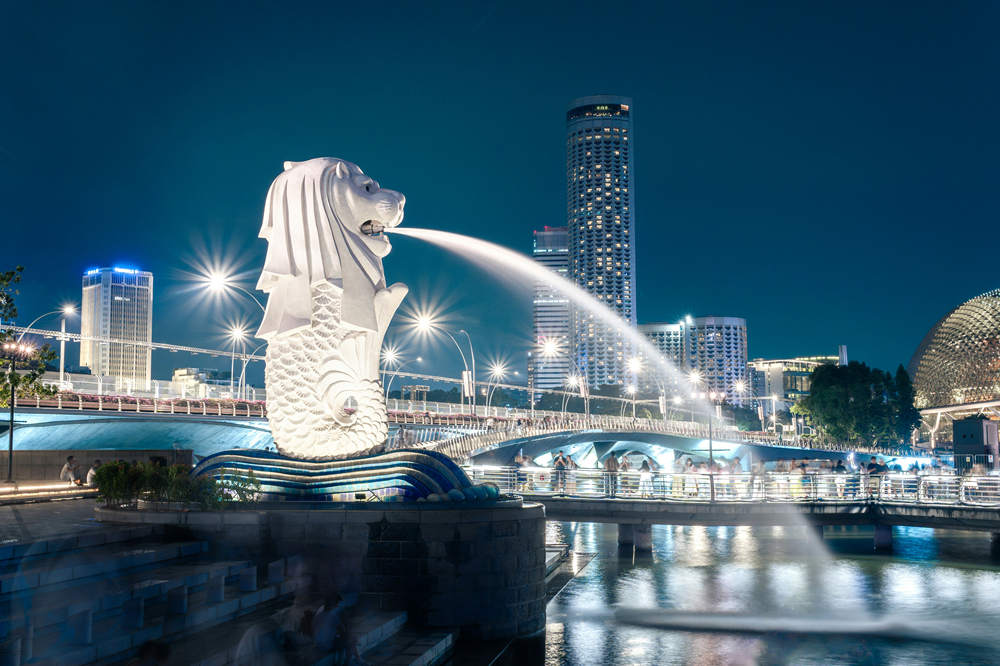
A walk around Marina Bay is a natural introduction to Singapore’s modern center. The waterfront connects the Civic District, Esplanade, Merlion Park, Marina Bay Sands, public art, and several skyline viewpoints.
Allow several hours for Gardens by the Bay. The outdoor gardens and Supertree Grove are separate from the ticketed conservatories, so you can choose how much of the complex to visit.
Flower Dome focuses on plants from cooler, drier climates, while Cloud Forest combines elevated walkways, mist-filled planting, and changing exhibitions. The conservatories are especially useful during the hottest part of the afternoon.
Late afternoon offers the most natural progression: visit the indoor attractions first, explore the outdoor gardens around sunset, and remain for the Supertrees after dark. Check the current hours and maintenance closures before choosing a date.
Discover the Cultural Neighborhoods
Each of Singapore’s central heritage districts has its own character, so avoid squeezing all of them into one rushed morning.
Chinatown combines temples, hawker food, markets, historic shophouses, and the quieter streets around Telok Ayer. Little India is filled with religious sites, flower-garland stalls, textile shops, restaurants, and colorful street life. Kampong Gelam brings together Malay and Muslim heritage, traditional businesses, murals, cafés, and contemporary boutiques.
Katong–Joo Chiat deserves a separate visit because it sits farther east. The area is best approached as a food-and-architecture outing rather than another quick photo stop.
These neighborhoods remain active religious and residential communities. Observe dress requirements at places of worship, ask before photographing people at close range, and allow time to enter temples, mosques, markets, and small businesses respectfully.
Spend a Morning in the Singapore Botanic Gardens
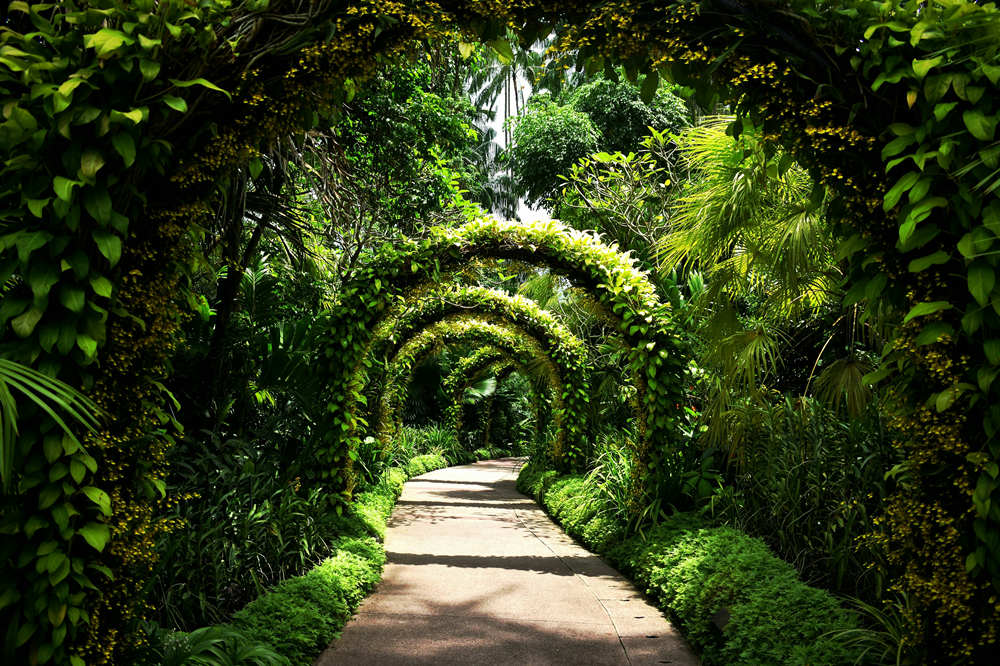
The 82-hectare Singapore Botanic Gardens offers shaded paths, lakes, rainforest, tropical plant collections, lawns, and historic landscapes close to Orchard Road.
General entry to the main gardens is free. Arrive early for cooler temperatures and quieter walking paths. The separately ticketed National Orchid Garden is worthwhile for visitors interested in horticulture, photography, or carefully designed landscapes.
Choose a Longer Nature Outing
The Southern Ridges connects several green areas through forest paths, elevated walkways, and hillside viewpoints. It is a good choice for couples who want a substantial walk without leaving the main island.
Pulau Ubin requires more travel but offers a more rustic atmosphere. Visitors come for cycling, village roads, quarries, mangroves, and the Chek Jawa wetlands. It works best as a half-day or full-day outing rather than an addition to a busy central itinerary.
Visit One Museum That Matches Your Interests
Singapore’s museums are useful for both cultural context and relief from midday heat. The National Gallery Singapore focuses on Singaporean and Southeast Asian art within two historic civic buildings. The Asian Civilisations Museum explores regional cultures and trade connections, while the Peranakan Museum provides context for the communities and traditions associated with Katong and Joo Chiat.
Choose one museum carefully instead of moving quickly through several. The surrounding districts often provide enough additional architecture, food, and riverside walking to complete the day.
Plan an Evening Around the Atmosphere You Want
For skyline views, walk around Marina Bay after sunset or reserve an observation deck. For a quieter night, have dinner beside Robertson Quay and continue along the river. Chinatown, Duxton Hill, and Tanjong Pagar suit travelers interested in cocktail bars and intimate restaurants.
An evening can also remain simple: share satay at a hawker center, take a river cruise, attend a performance, or walk through the illuminated gardens. A memorable night does not require the most expensive rooftop in the city.
Visit Sentosa When Its Attractions Match Your Interests
Sentosa is worthwhile for travelers specifically interested in resort pools, beach clubs, the Singapore Oceanarium, Universal Studios Singapore, adventure activities, spas, or the cable car.
Choose one major attraction and one relaxed activity instead of trying to cover the whole island. Official Sentosa information lists current beaches, events, attractions, dining, and transport options.
With only three days in Singapore, prioritize Sentosa only when one of its experiences is central to the trip. Otherwise, the central neighborhoods provide a more representative first visit.
Eating and Drinking in Singapore
Food should shape the itinerary rather than being fitted between attractions. Group meals with nearby neighborhoods so that you spend more time eating and exploring and less time crossing the city for a single famous stall.
Begin With Hawker Centers
Hawker centers make it possible to share several dishes at a reasonable cost. Popular choices include Maxwell Food Centre, Chinatown Complex Food Centre, Tekka Centre, Old Airport Road Food Centre, and Lau Pa Sat.
Lau Pa Sat is convenient and lively in the evening, while residential food centers may provide a more everyday atmosphere. Individual stalls often keep their own schedules, so a famous stall may be closed even when the wider center is open.
Useful dishes to look for include chicken rice, laksa, nasi lemak, roti prata, biryani, satay, char kway teow, bak kut teh, kaya toast, and regional desserts. Sharing smaller portions allows two people to try more without wasting food.
At hawker centers, food courts, and coffee shops, return trays and used crockery to the designated stations after eating.
Mix Informal Meals With One Special Dinner
Singapore’s food culture extends from inexpensive stalls to ambitious contemporary restaurants. A balanced trip might include hawker breakfasts, casual noodle or rice lunches, neighborhood dinners, and one carefully chosen evening reservation.
Reserve popular restaurants ahead of Friday and Saturday nights. Before committing to a long tasting menu, consider whether both travelers would prefer several smaller food experiences across different neighborhoods.
Plan Carefully for Dietary Restrictions
Anyone with allergies should ask about individual ingredients and shared preparation surfaces. Shrimp paste, shellfish, peanuts, pork, eggs, and shared cooking oil appear frequently in local dishes.
Halal-certified food is widely available, including many options in Kampong Gelam and Malay food centers. Vegetarian food is also common, but a dish described as vegetable-based may still contain stock, fish sauce, shrimp paste, or egg.
Carry a Backup Payment Method
Credit cards and mobile payments are widely accepted, but some hawker stalls and small businesses prefer local payment systems or cash. Carry a modest amount of Singapore dollars and keep at least one backup card separate from your main wallet.
A Four-Day Singapore Itinerary for Couples
Day 1: Marina Bay and Gardens by the Bay
Morning: Walk through the Civic District and continue to the Marina Bay waterfront.
Afternoon: Visit Flower Dome, Cloud Forest, or another indoor attraction at Gardens by the Bay.
Evening: Explore the outdoor gardens after sunset and have dinner around Marina Bay or Lau Pa Sat.
Day 2: Chinatown, Tiong Bahru, and the Singapore River
Morning: Visit Chinatown’s temples, heritage streets, and hawker centers.
Afternoon: Continue to Tiong Bahru for cafés, shops, and Art Deco residential architecture.
Evening: Walk beside Robertson Quay or choose the livelier atmosphere around Clarke Quay.
Day 3: Botanic Gardens, Orchard Road, and Kampong Gelam
Morning: Explore the Singapore Botanic Gardens before temperatures rise.
Afternoon: Have lunch or take a hotel break around Orchard Road.
Evening: Visit Kampong Gelam and remain in the neighborhood for dinner.
Day 4: Choose One Longer Experience
For food and culture: Explore Katong–Joo Chiat, followed by a museum in the Civic District.
For nature: Walk the Southern Ridges or devote the day to Pulau Ubin.
For resorts and entertainment: Spend the day on Sentosa, focusing on one major attraction and time by the water.
How Much Does a Singapore Trip for Two Cost?
Accommodation is usually the largest expense. The latest full-year figures published by the Singapore Tourism Board place the 2025 industry-wide average hotel room rate at S$273.56. This covers the hotel market as a whole rather than the price of a particular category, and rates can rise sharply around concerts, Formula 1, conferences, and public holidays.
The following 2026 planning ranges are for two people per day, excluding international flights. Actual totals depend on hotel dates, restaurant choices, attraction tickets, taxes, and service charges.
Budget: Approximately S$230–S$380 Per Day
- Basic private room or simple hotel outside the most expensive districts
- Most meals at hawker centers and casual restaurants
- MRT and public buses
- Free neighborhoods, gardens, and one modest paid activity
Budget travel is possible, but cheap accommodation may involve a small room, fewer amenities, or a location farther from Marina Bay.
Mid-Range: Approximately S$450–S$750 Per Day
- Well-located three- or four-star accommodation
- A mix of hawker meals and sit-down restaurants
- Public transportation with occasional taxis or ride-hailing
- Several ticketed attractions and one special evening
This range offers the greatest flexibility for most couples without requiring luxury spending.
Upscale: Approximately S$900 or More Per Day
- Luxury hotel or resort accommodation
- Fine dining, hotel breakfasts, and cocktails
- Frequent taxis or private transfers
- Premium attraction tickets, spa treatments, or private experiences
The upper limit can increase quickly when the trip includes landmark hotels, tasting menus, suites, or high-demand event dates.
Getting Around Singapore
The MRT and public bus network covers almost every area included in a typical visitor itinerary. Use the MRT between districts and walk within each neighborhood rather than attempting long cross-city walks in the heat.
Travelers can pay adult public-transport fares with supported contactless bank cards and mobile wallets. Each person needs a separate payment card or device, and the same card or device must be used when tapping in and out. A physical card and its mobile-wallet version are treated as different payment methods.
An administrative fee applies when using a card issued outside Singapore, and the issuing bank may add its own charges. Current payment options and the Singapore Tourist Pass are explained by the Land Transport Authority.
Taxis and ride-hailing services are useful during heavy rain, after late dinners, when carrying luggage, or when an MRT journey would still require a long exposed walk. They are not necessary for every trip, but using one strategically can prevent heat and fatigue from affecting the rest of the day.
Much of the MRT and public bus network is wheelchair accessible. Travelers with specific mobility requirements should still confirm access, slopes, lifts, and walking surfaces at individual attractions.
Practical Singapore Travel Tips
Check Passport and Visa Requirements
Most foreign visitors need a passport with at least six months of validity. Whether a visa is required depends on the passport or travel document used.
A Singapore visa and the SG Arrival Card are different requirements. The Immigration and Checkpoints Authority provides the current visa list and general entry conditions.
Submit the SG Arrival Card
Most travelers clearing immigration must submit the free SG Arrival Card within three days before arrival, including the arrival date. Passengers who remain in transit without clearing immigration are among the exceptions.
Use the official ICA website or MyICA mobile application. Commercial websites may charge for a submission that is free through the government service.
Bring the Correct Power Adapter
Singapore uses 220–240V electricity at 50Hz and power plugs with three square prongs, similar to the British Type G plug. Travelers from countries using another plug shape will need an adapter.
Prepare for Heat and Heavy Rain
Wear lightweight clothing and supportive shoes, but carry a thin layer for strongly air-conditioned malls, museums, trains, and restaurants. A compact umbrella is useful for both sudden rain and strong sun.
Schedule the most exposed walks early or late in the day. Midday is better for lunch, museums, shopping, conservatories, or a rest at the hotel.
Arrange Mobile Data
An eSIM, local SIM, or international roaming plan simplifies navigation, transport planning, restaurant searches, and ride-hailing. Free public Wi-Fi exists, but it is less convenient than having a continuous connection.
Review Rules for Restricted Items
Singapore regulates certain medications, food products, tobacco items, and other controlled goods. Electronic vaporisers are illegal to purchase, possess, or use and should not be brought into the country.
Anyone traveling with prescription medication should check whether supporting documents or prior approval are required.
Leave Space in the Schedule
Heat, meal queues, thunderstorms, and attraction visits can make days progress more slowly than a map suggests. Plan one main area in the morning, an indoor or restful afternoon period, and one evening neighborhood.
A flexible itinerary also makes it easier to change outdoor plans when rain arrives without feeling that the day has been lost.
Final Thoughts
Singapore is an excellent match for couples who value food, cultural variety, easy transportation, modern architecture, and thoughtfully designed green spaces. Four or five days provides enough time to experience its major sights while still leaving room for neighborhood meals, evening walks, and spontaneous stops. Stay near an MRT station, choose activities that reflect your shared interests, and avoid treating the city’s efficiency as a reason to rush through it.