
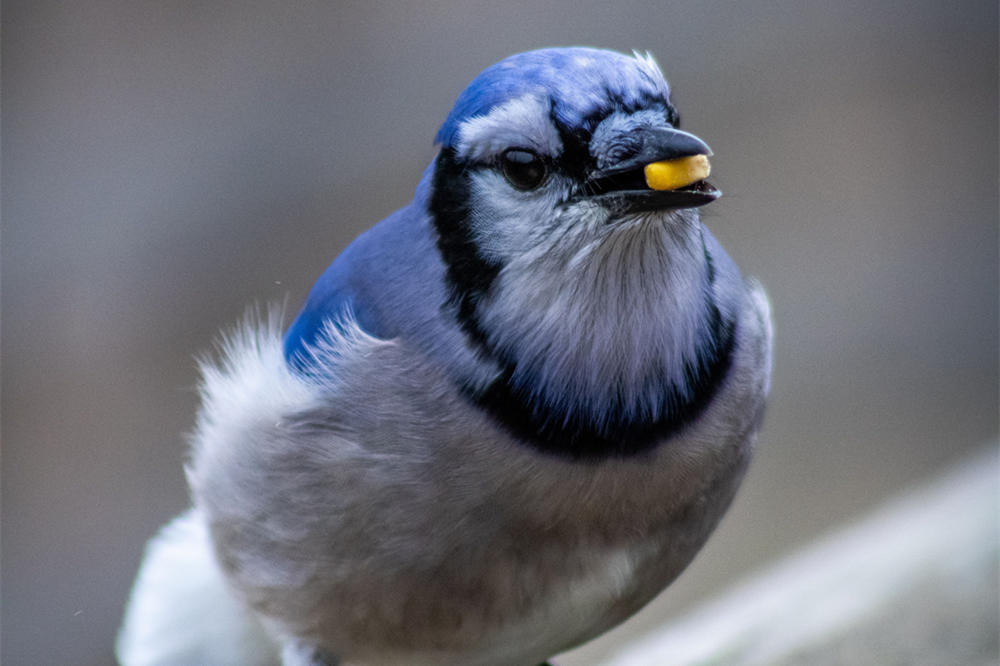
Blue Jay Symbolism: Spiritual Meanings, Folklore, and Signs
With its brilliant color, raised crest, and unmistakable call, a Blue Jay rarely passes unnoticed. Its bold presence has inspired symbolic associations with communication, confidence, intelligence, loyalty, vigilance, and adaptability.
These meanings are interpretive rather than predictive. A sighting may inspire personal reflection, but it does not carry one fixed message for everyone.
What Does a Blue Jay Symbolize?
A Blue Jay commonly symbolizes speaking clearly, thinking resourcefully, protecting what matters, and remaining visible during difficult circumstances. Its complex social behavior and close family bonds also support associations with loyalty and cooperation, while its ability to live in forests, parks, and residential areas makes it a fitting symbol of persistence through change.
The bird has a less polished symbolic side as well. Its noisy calls, opportunistic habits, and forceful behavior can represent mischief, pride, social conflict, or cleverness used without enough care.
Seven Common Blue Jay Meanings
1. Communication and Self-Expression
Blue Jays communicate through a varied collection of calls as well as body language. The position of the crest can reflect changes in mood, and the birds can imitate Red-tailed, Red-shouldered, and Broad-winged Hawks, although researchers have not established one purpose for every imitation.
This makes the Blue Jay a natural symbol of expression. Its appearance may bring attention to words that have been withheld, misunderstood, or delivered without enough thought.
The lesson is not simply to speak louder. It is to choose a clear message, recognize the effect of tone, and listen closely enough to know when a response is needed.
2. Courage and Confidence
A Blue Jay’s bright plumage and prominent crest give it a conspicuous appearance. Around feeders and nesting areas, it may behave with enough confidence to seem much larger than it is.
Symbolically, the bird represents the willingness to be seen. It may resonate during a period when self-doubt has made it difficult to contribute an idea, accept responsibility, or take the next step toward a goal.
Its example favors steady self-assurance over unnecessary aggression. Confidence is most useful when it helps someone act decisively without diminishing the people around them.
3. Intelligence and Resourcefulness
Blue Jays gather acorns and other food for later use. They can carry several acorns at once and distribute them among separate caches. This habit of harvesting and storing nuts has also helped disperse oak trees into new areas.
The behavior supports symbolism connected with planning, memory, and practical intelligence. The Blue Jay represents using available resources carefully rather than relying on a single solution.
It can be a meaningful symbol when circumstances require preparation, a change in strategy, or the patience to complete several small actions before seeing a larger result.
4. Protection and Vigilance
Blue Jays become watchful around their nests and may respond loudly when a predator approaches. Their alert posture and forceful calls have made them symbols of awareness and guardianship.
Vigilance in this sense is the ability to recognize what deserves attention. It may involve noticing a developing problem, checking information before acting, or taking sensible precautions before a situation becomes harder to manage.
The Blue Jay does not suggest that danger is always present. Its symbolism is better understood as attentive readiness rather than fear.
5. Loyalty and Family Bonds
Blue Jay family life is notably cooperative. Both adults gather nesting materials, the male feeds the female while she incubates, and both parents care for the young. After leaving the nest, young jays may continue receiving food from their parents for several weeks.
These behaviors support associations with loyalty, dependable care, and shared responsibility. The bird can represent relationships maintained through consistent actions rather than occasional expressions of affection.
It may also draw attention to whether support is balanced. Healthy loyalty allows people to help one another without expecting one person to carry every responsibility.
6. Adaptability and Persistence
Although Blue Jays are closely associated with woodlands and oak trees, they also live in parks, towns, and well-wooded suburbs. Their varied diet allows them to use many food sources, including nuts, seeds, fruit, insects, and feeder offerings.
For this reason, the bird can symbolize adjusting to a new environment without losing one’s recognizable character. It suggests learning how unfamiliar surroundings work and making thoughtful use of what they provide.
This meaning is especially relevant during relocation, a career change, a new responsibility, or any transition that requires both flexibility and endurance.
7. Curiosity, Mischief, and Caution
Blue Jays are observant and opportunistic. They investigate food sources, compete actively with other animals, and sometimes imitate hawk calls near feeders.
These traits give the bird a symbolic connection with curiosity and mischief. They can represent a lively mind, a playful nature, or the willingness to test an unconventional approach.
They can also reveal the shadow side of cleverness. Intelligence without judgment can become manipulation, gossip, boasting, or disruption. The Blue Jay therefore symbolizes not only ingenuity, but the responsibility to use it well.
Blue Jay Symbolism in Culture and Folklore
There is no single Indigenous interpretation of the Blue Jay. Native Nations have distinct histories, languages, stories, and relationships with the birds found in their homelands. Cultural meanings should therefore be connected to a named community and source rather than presented as universal beliefs.
Blue Jay in Snoqualmie and Northwest Coast Stories
In the Snoqualmie Tribe’s Story of Moon the Transformer, a child named Moon is stolen by Dog Salmon. Several birds search for him, but Bluejay is the one who eventually finds him. By then, Moon has grown into a man and does not know his origins.
Bluejay explains Moon’s history, prompting him to return to his mother’s people. Moon then travels along the river and begins the transformations that shape animals, waterways, Snoqualmie Falls, and the world described in the story.
Bluejay does not perform Moon’s transformations. His important role is finding the missing person and revealing knowledge that changes what happens next. Within this particular narrative, he can be associated with discovery, communication, and the recovery of identity.
Blue Jay figures may serve different purposes in other Northwest Coast stories. Labels such as helper, troublemaker, or trickster should only be applied when they accurately reflect the tradition being discussed.
Modern Spiritual Interpretations
In contemporary spiritual symbolism, the Blue Jay is frequently associated with truth, confident expression, personal protection, and determination. Someone facing an unresolved conversation may see the bird as a reminder to say what needs to be said. Another person may connect it with staying focused during a demanding period.
These interpretations generally draw from the bird’s appearance and behavior rather than from one ancient spiritual system. Their value is personal: the encounter creates a memorable image through which someone can examine a concern already present in life.
What Does It Mean When You See a Blue Jay?
A Blue Jay sighting may stand out because the bird is colorful, vocal, and active. The circumstances surrounding the encounter can help distinguish ordinary bird behavior from the personal meaning a viewer attaches to it.
Seeing a Blue Jay Repeatedly
Repeated sightings often have a simple environmental explanation. A Blue Jay may live nearby, follow a regular feeding route, visit the same oak tree, or return to a reliable backyard feeder. Once you begin noticing the species, you may also recognize it more frequently.
As a personal symbol, the repeated appearance may bring attention to an issue that also keeps returning. That could be an unfinished conversation, a delayed decision, or a task that requires a more persistent approach.
A Blue Jay Near Your Home or Window
A bird near the home is sometimes interpreted through themes of family, privacy, security, and belonging. What the Blue Jay is doing, however, matters more than its location alone.
It may be visiting a tree, feeder, birdbath, or other useful habitat. A bird calling or pecking at a window may be reacting to its reflection, which can appear to be another jay occupying the same territory.
Repeatedly flying into the glass is a different and more dangerous behavior. Reflections of trees and sky can prevent birds from recognizing a window as a solid barrier. Closely spaced exterior markers, screens, or patterns make the glass easier to see and can reduce the risk of injury.
Seeing Two Blue Jays Together
Two Blue Jays can suggest companionship, cooperation, or shared responsibility. The interpretation fits the species’ cooperative nesting behavior and the close associations seen among mates and family members.
The sight does not have to refer to romance. It may instead prompt reflection on any relationship in which communication, trust, and an equal contribution are important.
Blue Jay Meanings in Dreams and Other Encounters
Dreams, feathers, and encounters with a dead bird tend to produce stronger emotions than an ordinary sighting. Their personal significance depends less on a standard symbolic definition and more on the details surrounding the experience.
Dreaming About a Blue Jay
A Blue Jay dream often brings communication, social confidence, or conflict to the foreground. Three details are especially useful when considering its meaning:
- The bird’s behavior: Was it calling, watching, approaching, hiding, or trying to escape?
- The emotional tone: Did its presence feel comforting, irritating, threatening, or exciting?
- Your current circumstances: Is there a real-life situation involving honesty, attention, competition, or the fear of being heard?
A dream is more meaningful when interpreted in relation to the dreamer’s own associations. A person who loves Blue Jays may experience the same image very differently from someone who finds their calls disruptive.
Finding a Blue Jay Feather
A Blue Jay feather may feel like a symbol of perspective, expression, alertness, or freedom. Its meaning may come from the circumstances in which it was discovered or from the memory it brings to mind.
There is also an important legal consideration. In the United States, the Migratory Bird Treaty Act generally prohibits possessing feathers and other parts from protected native birds without authorization. This applies even to naturally molted feathers, so the safest response is to appreciate or photograph the feather and leave it where it was found.
Seeing a Dead Blue Jay
Finding a dead Blue Jay can feel especially striking because the living bird is normally associated with movement, color, and sound. Symbolically, the contrast may bring thoughts of an ending, diminished confidence, lost communication, or the need to release something that has run its course.
The sight should not be treated as a prediction of death or approaching misfortune. Birds die from natural causes as well as disease, predators, collisions, severe weather, and other hazards.
Any personal meaning lies in the feelings or memories the experience brings forward, not in a guaranteed omen.
Does a Blue Jay Have a Biblical Meaning?
The Blue Jay is a North American species, so a meaning assigned specifically to this bird is a modern devotional interpretation rather than a biblical definition.
Some Christians connect the bird with broader scriptural themes involving creation, watchfulness, courage, stewardship, or divine care for living creatures. Through that lens, its presence may serve as a personal reminder to speak truthfully, remain attentive, or value the natural world.
Such reflections can be spiritually meaningful while still being distinguished from teachings that the Bible directly assigns to the Blue Jay.
Blue Jay Tattoo Meaning
A Blue Jay tattoo can represent intelligence, confidence, individuality, resilience, or the determination to use one’s voice. The bird is particularly suited to a design about embracing a vivid personality rather than trying to remain unnoticed.
Its pose and surrounding elements can make the symbolism more specific:
- A calling Blue Jay can represent expression, advocacy, or finding a voice.
- A bird in flight can suggest independence, movement, or release.
- A raised crest may communicate boldness, readiness, or personal strength.
- Two Blue Jays can symbolize a partnership, family bond, or shared loyalty.
- An acorn or oak branch can add ideas of preparation, growth, and the long-term effect of small actions.
The bird’s mixture of beauty, assertiveness, and curiosity also makes it suitable for someone who does not want a tattoo with a single uncomplicated meaning.
Final Thoughts
The Blue Jay is a compelling symbol because it combines bold expression with social connection, careful preparation with curiosity, and adaptability with a strong identity. Whether encountered outdoors, in a dream, or as part of a personal design, it can offer a thoughtful image of using intelligence and confidence with awareness.