Best Time to Travel to Iceland: A Seasonal Guide for Couples
For most couples planning their first Iceland road trip, June through August is the easiest time to visit. The days are exceptionally long, established routes are more accessible, and there is more freedom to explore several regions.
September is the strongest all-around alternative. It offers useful daylight for sightseeing, a calmer atmosphere after the summer peak, and nights that may be dark enough for the Northern Lights.
The best time to travel to Iceland ultimately depends on the experience you both value most. Summer favors long drives and hiking, winter brings snow and aurora opportunities, May offers a quieter escape, and early fall balances daytime exploration with darker evenings.
Best Time to Travel to Iceland at a Glance
| Travel Goal | Best Time | Main Trade-Off |
|---|---|---|
| First road trip | June to August | Greater demand for cars and accommodation |
| Daylight and possible Northern Lights | September | More changeable weather than summer |
| Quieter trip with long evenings | May | Remote mountain routes may remain closed |
| Snow and winter atmosphere | January to March | Short days and more difficult driving |
| Highland hiking | July and August | Access still depends on current conditions |
Visiting Iceland in Spring: April and May
Spring in Iceland is a gradual transition rather than a dependable stretch of mild weather. Daylight increases quickly, snow begins retreating from lower ground, and waterfalls often appear especially powerful as the landscape moves out of winter.
April can still feel wintry outside Reykjavík. Snow, ice, and strong wind may affect exposed roads, so it is better suited to a focused itinerary than an ambitious journey around the country. A few nights in Reykjavík followed by time along the Golden Circle or South Coast can provide variety without requiring constant relocation.
May is more practical for couples who want to drive independently. The evenings are long, popular stops are generally less pressured than during midsummer, and major lowland routes can be explored at a relaxed pace.
This is a good month for spending extra time at waterfalls, coastal viewpoints, small towns, and geothermal pools instead of trying to collect as many attractions as possible. The generous daylight leaves room for spontaneous stops without the intensity of nearly continuous midsummer sun.
Spring is not the season to build an itinerary around the Highlands. Mountain roads open according to snow, ground, and weather conditions rather than a fixed annual date. Even when a route begins opening, it may not be appropriate for an ordinary rental car.
Visiting Iceland in Summer: June Through August
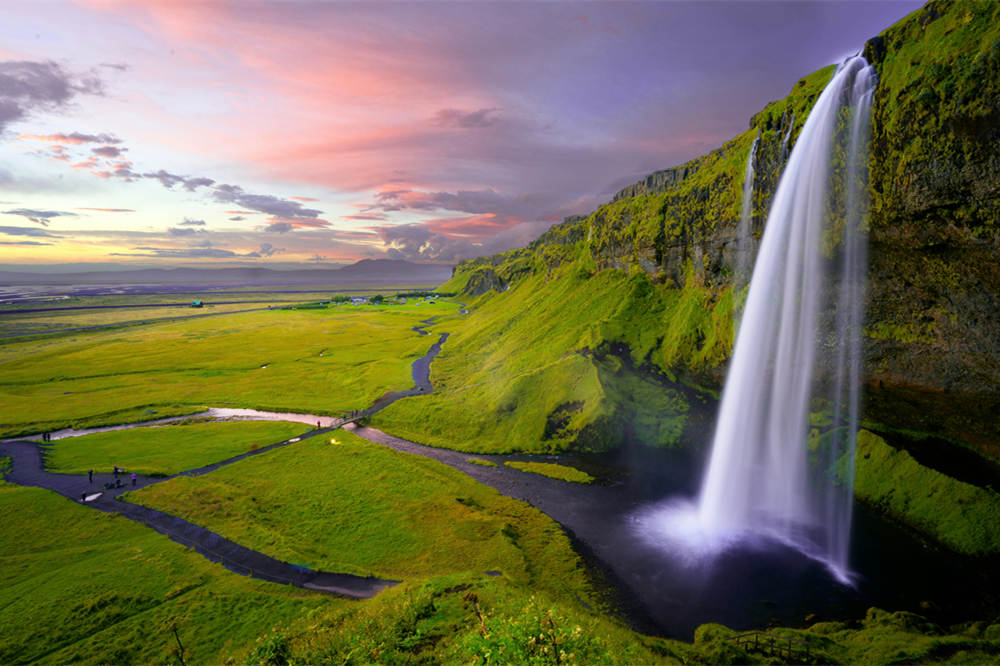
Summer provides the broadest range of possibilities. Long daylight makes extended scenic drives easier, hiking routes become more accessible, and some remote areas can only be reached during this part of the year. Official summer travel guidance from Visit Iceland notes that areas such as the Highlands are seasonally accessible.
June
June brings the Midnight Sun and almost no complete darkness. Couples can visit major viewpoints early in the morning or late in the evening, creating a more flexible schedule than would be possible during shorter seasons.
The constant light is excellent for driving and photography, but it can also affect sleep. Hotels usually have curtains, yet light-sensitive travelers may still appreciate an eye mask.
July
July offers long days and broad access to established routes, making it one of the most practical months for hiking, wildlife trips, camping, and a journey around the Ring Road.
It is also one of the busiest periods. Accommodation in smaller towns may be limited, and popular rental-car categories can disappear well before the travel date. Couples visiting in July should reserve the essentials early while leaving enough open time for weather changes.
August
August retains plenty of daylight, but evenings gradually begin to feel more like evenings again. Most summer activities are still available, the countryside remains green, and the softer late-day light can be particularly appealing for photography.
Summer does not guarantee calm conditions. Rain, wind, fog, and rapid weather changes remain possible throughout the season. The main advantage is not perfect weather but the amount of daylight and the range of places that can realistically be included.
Driving in the Highlands
F-roads are different from Iceland’s normal paved routes. They may be rough, narrow, and crossed by unbridged rivers, while conditions can change quickly.
A road being marked open does not automatically make it suitable for every four-wheel-drive vehicle. Couples considering an F-road should confirm both the current road status and the rental company’s vehicle restrictions. Some routes require a larger or specially modified vehicle, and uncertain river crossings should never be attempted.
Visiting Iceland in Fall: September and October
Fall restores dark evenings while preserving enough daytime for scenic drives. September is therefore a strong choice for couples who want varied experiences without committing fully to either summer or winter.
Lowland routes and well-known attractions can still fit comfortably into the day, while nighttime brings the possibility of aurora viewing. Autumn colors also begin appearing across moss, grass, and low vegetation, giving familiar landscapes a different character.
September should not be treated as a guaranteed extension of summer. Wind, rain, and early wintry conditions may affect plans, particularly later in the month or at higher elevations. An itinerary focused on the Ring Road, South Coast, Snæfellsnes, or another established region is more dependable than one built around remote mountain access.
October marks a clearer shift toward winter. Daylight decreases, temperatures fall, and road conditions may become more demanding. Instead of moving to a different hotel every night, couples may enjoy staying in Reykjavík or another base and choosing daily activities according to the forecast.
Fall is particularly suitable for travelers who enjoy contrast: waterfalls and coastal walks during the day, followed by warm pools, relaxed dinners, and dark skies in the evening.
Visiting Iceland in Winter: November Through March
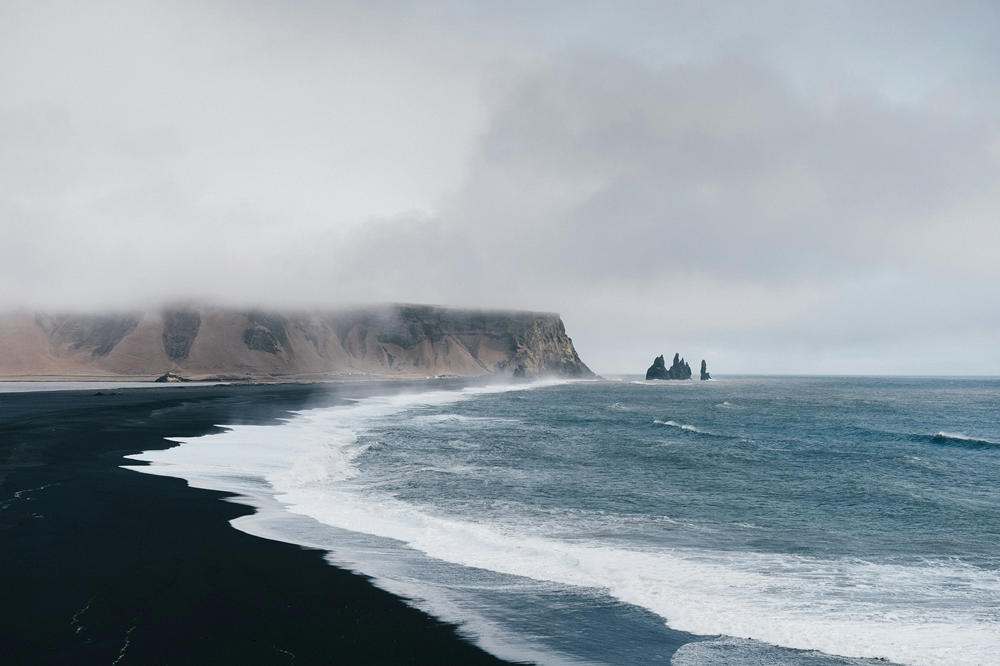
Winter creates Iceland’s most dramatic seasonal atmosphere. Snow-covered lava fields, frozen scenery, dark coastlines, and clouds of geothermal steam can make even a simple day trip feel memorable.
The season also requires restraint. Short daylight windows limit how much can be covered, while ice, snow, poor visibility, and strong crosswinds can make driving tiring. SafeTravel warns that winter conditions may also appear in spring and fall, and advises visitors to drive according to the conditions rather than the original itinerary.
For most couples, winter is better suited to a regional trip than a fast circuit of the entire Ring Road. Reykjavík, the Golden Circle, and the South Coast can be combined without spending every day relocating. Staying several nights in one place also makes it easier to change plans when the forecast deteriorates.
November and December bring especially short days. Reykjavík’s restaurants, museums, pools, and evening atmosphere become more important when outdoor sightseeing time is limited.
January remains deeply wintry, while February and March gradually provide more usable daylight. March can be a particularly approachable winter option for couples who want snowy landscapes without the shortest days of the year.
Natural ice-cave tours are commonly associated with the colder months, but their operating periods vary by glacier, cave stability, and local conditions. Glacier walks and ice-cave visits should always be arranged with qualified operators rather than attempted independently.
When to Visit Iceland for the Northern Lights
The Northern Lights can only be seen when the sky is sufficiently dark, which rules out the brightest part of summer. Darkness alone, however, is not enough.
A viewing opportunity depends on auroral activity and a break in the clouds. The Icelandic Meteorological Office aurora forecast displays predicted activity alongside cloud cover, helping travelers identify areas with clearer skies.
Staying for several nights gives you more chances than choosing one supposedly perfect date. Conditions may be unsuitable for much of a short visit, even during the heart of aurora season.
Choose accommodation and daytime activities that you would enjoy regardless of whether a display appears. The aurora should be treated as a possible highlight rather than the sole measure of whether the trip was successful.
When looking for dark skies, stop only in a proper parking area. Do not pull onto a narrow roadside, block access, or continue driving through unsafe weather for the sake of a forecast.
How Couples Can Choose the Right Month
Choose the One Experience You Cannot Miss
Discuss which experience would define the trip for each of you. If one person dreams of Highland hiking while the other mainly wants to see the aurora, you will need to decide which goal takes priority because their ideal seasons do not fully overlap.
Agree on How Much Driving You Want
A Ring Road trip usually involves longer distances and regular hotel changes. A trip based in Reykjavík or one countryside region provides more time for pools, meals, short walks, and weather-dependent day trips.
Neither style is automatically better. Problems arise when one partner expects a relaxing getaway and the other plans a tightly scheduled driving itinerary.
Discuss Nearly Continuous Summer Light
Very long days create freedom, but they can also make it difficult to recognize when it is time to stop. Couples visiting in summer may need to set their own limits rather than continuing to drive simply because the sky remains bright.
Be Realistic About Winter Driving
Comfort on an ordinary snowy street does not necessarily translate to rural Icelandic roads. Darkness, ice, gravel, limited shoulders, and powerful wind can appear together.
When either partner feels uncertain, consider guided excursions, a shorter driving route, or a season with more forgiving conditions. A trip should not depend on one person feeling anxious behind the wheel every day.
Consider How You Handle Disrupted Plans
Winter and the shoulder seasons reward flexible travelers. A closed road or cancelled activity may mean replacing a full-day excursion with a local pool, café, museum, or shorter drive.
If fixed plans and guaranteed access are important to both of you, summer will usually be the more comfortable choice.
Planning and Safety Tips for Every Season
Check Conditions Each Morning
Review the weather forecast, road map, and travel alerts before leaving. Icelandic conditions can change quickly and may differ considerably between regions.
The official Traffic Info road map provides current road information, while SafeTravel’s travel conditions highlight warnings that may affect outdoor activities and driving.
Leave Room Between Plans
A long drive, timed tour, dinner reservation, and distant hotel check-in should not be packed tightly into one day. Delays may come from weather, road work, slower vehicles, or scenic stops that deserve more time than expected.
Pack for Wind and Water
A waterproof outer layer, warm mid-layer, sturdy footwear, hat, and gloves can be useful in any season. Icelandic wind often makes a hood more practical than an umbrella.
Book the Essentials, Not Every Hour
Summer accommodation, rental cars, and limited-capacity activities are worth arranging in advance. The rest of the itinerary should retain enough flexibility to respond to the forecast.
Stop Only in Safe Places
Waterfalls, horses, mountains, and auroras can easily distract a driver. Continue to a proper pull-off or parking area rather than stopping partly on the road.