
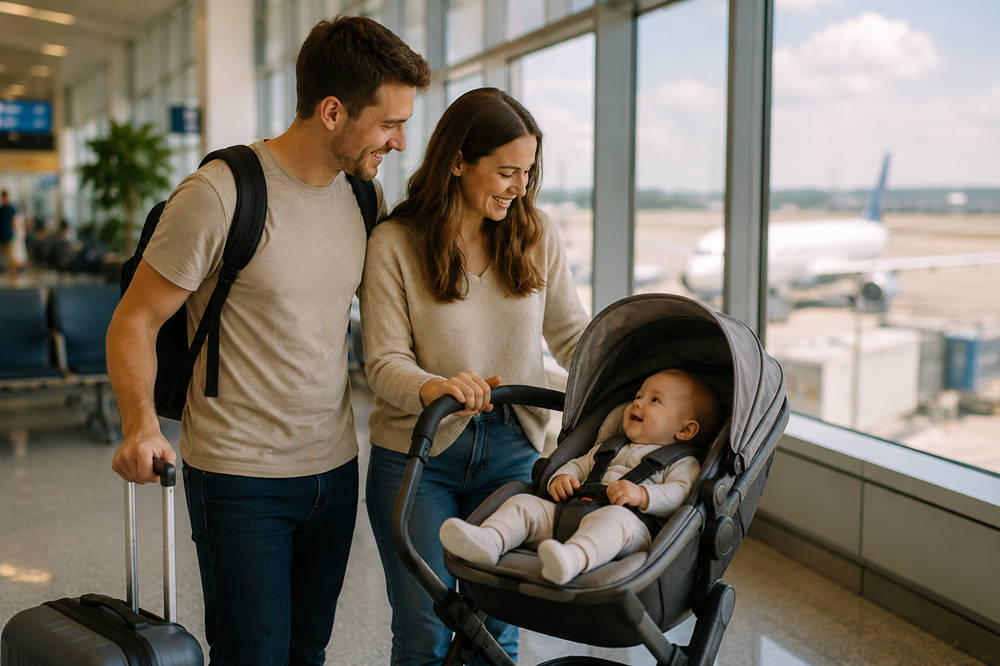
How Couples Can Prepare for Their First Trip With a Baby
A first trip with a baby changes the rhythm of traveling as a couple. Packing takes longer, plans become less predictable, and ordinary transitions such as leaving a hotel or stopping for lunch require more coordination.
The trip does not have to be perfect to be enjoyable. Choosing a manageable destination, sharing responsibilities, and leaving room for changes can help both partners feel more confident during their first family getaway.
Choose a Simple First Destination
Begin with a destination that does not require a complicated itinerary. A short drive, direct flight, or familiar city is usually easier to manage than a journey involving several transfers, long travel days, or a major time-zone change.
Look for a place with convenient access to food, pharmacies, medical care, and calm activities. Staying near the attractions you plan to visit can reduce the number of times you need to load the car, fold the stroller, or carry supplies across town.
The accommodation can make a major difference. A refrigerator may be useful for bottles or food, while laundry facilities can help with spills and diaper leaks. A suite with a separate sitting area also gives both parents somewhere to talk or unwind while the baby sleeps safely nearby.
For international travel, speak with your child’s healthcare professional well before departure. Depending on the destination and your baby’s age, you may need to discuss routine or travel vaccinations, medications, feeding water, transportation, and access to medical care. The CDC’s guidance for international travel with infants and children can help you identify topics to raise during the appointment.
Plan Around the Baby’s Routine
Your baby’s schedule may not remain exact while you are away, but familiar patterns can help the trip feel less disruptive. Consider when your baby normally eats, naps, becomes restless, and settles down for the night before booking transportation or activities.
For a road trip, leaving near the beginning of a normal nap may provide a calmer first stretch. When flying, choose a departure time based on your baby’s temperament rather than automatically selecting the earliest or cheapest option.
Avoid scheduling an important reservation immediately after you arrive. A delayed flight, unexpected feeding, or difficult diaper change can quickly disrupt a tightly planned afternoon. Leave the first few hours open so everyone can settle into the new environment.
One main activity per day is often enough for a first trip. A morning walk, quiet museum visit, or early dinner can be more enjoyable than rushing between several attractions with an overtired baby.
Divide Responsibilities Before Leaving
Discuss the main travel responsibilities while you are still at home. Deciding who will handle each task prevents both partners from assuming the other person is taking care of it.
One partner might manage directions, transportation documents, luggage, and hotel check-in. The other might concentrate on feeding, diaper changes, soothing, and keeping the baby’s immediate supplies nearby. The roles can change throughout the day, but having a starting plan makes busy moments easier.
Divide the preparation work as well. One person can organize clothing and toiletries while the other checks travel documents, medications, feeding supplies, and baby equipment. Review the bags together before departure so both partners know where essential items are stored.
It also helps to agree on a simple handoff system. When one person becomes tired or overwhelmed, the other can temporarily take over without turning the moment into a debate about whose responsibility it is.
Test Your Car Seat, Stroller, and Baby Gear
Practice using your larger baby equipment several days before the trip. Install the car seat, adjust the harness, fold the stroller, and place everything in the vehicle with your luggage. This will show you whether the setup fits comfortably and whether anything is more difficult to operate than expected.
If you use a modular setup such as the Evenflo Pivot Modular Travel System, practice attaching the infant car seat, changing between its six stroller configurations, and folding the frame while one partner holds the baby. Learning the controls at home is easier than working them out in a parking lot, airport, or hotel entrance.
Follow the car-seat and vehicle manuals rather than relying on memory or general online instructions. The National Highway Traffic Safety Administration recommends choosing a seat appropriate for the child’s age and size, installing it correctly, registering it for safety notices, and arranging an inspection when help is needed.
If you are flying, check the label on the car seat to confirm whether it is approved for aircraft use and review the airline’s seating requirements before booking. The Federal Aviation Administration states that the safest place for a child under two on an airplane is in an approved child-restraint system based on the child’s weight, which generally requires a separate ticket and seat.
Pack Essentials Where Both Partners Can Reach Them
Items needed during the journey should not be buried at the bottom of a suitcase. Prepare one accessible bag with diapers, wipes, a changing pad, feeding supplies, burp cloths, pacifiers, spare baby clothes, and sealable bags for wet or dirty items.
Include an extra shirt for each parent because spills rarely affect only the baby. Keep any medications in their original packaging and make sure both partners know where they are.
Small labeled pouches can make the bag easier to use. Separating diaper supplies, feeding items, sleep essentials, and basic first-aid products allows either partner to find what is needed without emptying everything onto a car seat or airport floor.
Keep identification, insurance information, accommodation details, and transportation confirmations in a separate document pouch or secure digital folder. Both partners should be able to access the information in case one person is caring for the baby.
Allow Extra Time for Transitions
Traveling with a baby adds several steps to almost every movement. Leaving a hotel may involve feeding, changing clothes, packing the diaper bag, folding the stroller, and returning to the room for something that was forgotten.
Add a generous buffer before flights, trains, restaurant reservations, and timed attractions. Arriving early gives you room to handle the baby’s needs without treating an ordinary delay like an emergency.
Reduce unnecessary movement by grouping activities in one area. Exploring a walkable neighborhood is usually easier than driving between several distant attractions in the same day.
Prepare before reaching busy transition points. At an airport, organize documents and permitted liquids before entering the security line. On a road trip, keep the diaper bag and feeding supplies in the passenger area rather than beneath the luggage in the trunk.
Schedule Regular Road-Trip Breaks
A road trip offers flexibility, but it should not become a race to reach the destination. Identify suitable rest areas or family-friendly stops before leaving so you are not searching for one after the baby becomes uncomfortable.
The American Academy of Pediatrics advises taking a break approximately every two to three hours during daytime travel so the baby can be removed from the car seat for feeding, changing, and movement. Feeding should take place only after the vehicle is safely stopped.
When possible, one partner can sit near the baby while the other drives. The passenger can watch for discomfort, motion sickness, or hunger and suggest a stop before the situation becomes more difficult.
Use the breaks to care for yourselves as well. Drink water, eat, stretch, and switch drivers when needed. Continuing while both parents are tired usually makes the remainder of the journey harder.
Keep Your Connection as a Couple
A trip with a baby may not include long dinners or completely uninterrupted sightseeing, but it can still feel meaningful as a couples getaway.
Choose one simple shared moment each day that does not depend on a perfect schedule. You might drink coffee on the balcony, take a stroller walk at sunset, order dessert after the baby falls asleep, or share breakfast before starting the day.
Give each other brief periods of personal time. One partner might take a quiet shower, rest, visit the hotel gym, or walk around the neighborhood while the other stays with the baby. Trading these breaks can help both people remain patient and present.
Take a few photographs that include both parents. It is easy to return from a family trip with dozens of baby pictures but none showing the whole family together.
Try not to compare this trip with vacations you took before becoming parents. Its value may come from seeing your partner handle a new challenge, sharing a quiet moment as a family, or realizing that future travel is possible even when it looks different.
Confirm a Safe Sleep Setup
Contact the accommodation before the trip and ask what type of infant sleep space is available. Confirm whether it provides a crib, bassinet, or portable play yard, whether it must be reserved, and whether a fitted sheet is included.
Inspect the setup before placing the baby inside. Do not use a crib or play yard with broken pieces, missing hardware, loose bedding, or added padding. When you are uncertain about what the property will provide, consider bringing a familiar portable sleep space that meets current safety standards.
The American Academy of Pediatrics recommends placing babies on their backs on a firm, flat, non-inclined surface with a tightly fitted sheet. Pillows, blankets, bumper pads, stuffed toys, and other loose objects should remain outside the sleep area. Additional guidance is available through HealthyChildren.org’s safe-sleep recommendations.
If the baby falls asleep in a car seat or stroller while you are moving, transfer them to an appropriate sleep surface as soon as practical after reaching the destination. A car seat should not become the baby’s overnight bed.
Prepare to Change the Plan
Even careful planning cannot control how a baby responds to a new environment. Your baby may refuse to nap, need more frequent feedings, become unsettled during an activity, or want to return to the room earlier than expected.
Create three versions of each day: the main activity you hope to complete, an easier backup, and an option that requires no reservation. A park near the hotel, a short walk, or takeout in the room can rescue the day when the original plan no longer makes sense.
Be willing to leave an attraction early, skip a reservation, or spend an unplanned afternoon resting. Changing direction does not mean the preparation failed. It means you are responding to the family’s needs in real time.
After the trip, discuss what worked and what caused unnecessary stress. Perhaps you packed too much, scheduled activities too early, or discovered that one type of accommodation suited your family particularly well. Those observations will make the next journey easier.
Final Thoughts
Your first trip with a baby does not need to be long or elaborate. A convenient destination, tested equipment, accessible supplies, shared responsibilities, and a flexible itinerary can make the experience far more manageable.
Plan carefully enough to reduce preventable problems, but leave room for the unexpected. The pace will be slower and some plans may change, yet learning how to travel as a team can become one of the most memorable parts of your first family adventure.