Malta Travel Guide for Couples: Where to Stay, What to Do, and How to Plan Your Trip
Malta fits fortified cities, prehistoric monuments, swimming coves, fishing villages, and lively waterfront districts into a remarkably compact destination. A couple can explore centuries-old streets in the morning, cross a harbor by ferry, and end the day with dinner beside the Mediterranean.
The country is much more than a beach destination. Its coastline is often rocky, its most interesting places are spread across several islands, and even short journeys can take time in traffic. A rewarding Malta trip balances cultural sightseeing with slower meals, coastal stops, and enough flexibility for changing sea conditions.
Malta at a Glance
Most visits involve three islands. Malta is the largest and contains the airport, Valletta, Mdina, the main archaeological sites, and the greatest concentration of hotels. Gozo has smaller towns, rural landscapes, and a calmer atmosphere. Comino is sparsely developed and primarily visited for swimming and boat excursions.
Malta is best suited to couples who enjoy history, architecture, food, diving, boat trips, and active sightseeing. It is less suitable for travelers expecting long stretches of sandy beach or a quiet resort atmosphere everywhere they go.
The country has three UNESCO World Heritage properties: the City of Valletta, the Ħal Saflieni Hypogeum, and the Megalithic Temples of Malta. Together, they reflect a history extending from Malta’s prehistoric communities to the fortified capital shaped by the Knights of St. John.
Despite the country’s size, it is easy to underestimate travel times. Traffic can slow road journeys, bus routes are not always direct, and visits to Gozo or Comino require additional transport planning. Building each day around one part of the islands usually produces a more relaxed trip.
The Best Time to Visit Malta
The ideal season depends on whether swimming, sightseeing, or avoiding crowds matters most.
Spring
Spring offers some of Malta’s most comfortable conditions for walking through historic towns and open archaeological sites. The countryside is greener than it is in summer, and visitor numbers are generally more manageable.
March may still bring wind and unsettled weather, while the sea remains cool for many swimmers. Conditions become warmer through April and May, making late spring a strong choice for couples who want both sightseeing and occasional coastal time.
Summer
Summer brings the most reliable swimming weather and the widest choice of boat trips. It also brings intense heat, larger crowds, and higher room prices in popular areas.
Outdoor sites can feel exposed during the middle of the day. Plan historic attractions for the morning, then use the hottest hours for lunch, a hotel break, or time near the water. Evenings remain lively in Valletta, Sliema, and St. Julian’s.
Autumn
September and early October often combine warm sea temperatures with a slightly calmer atmosphere than midsummer. This makes early autumn particularly appealing for couples who want to swim without building the entire trip around beach time.
Wind and rain become less predictable later in the season. Avoid placing every boat-dependent activity at the end of the itinerary, where a cancellation would leave no room to rearrange plans.
Winter
Winter works best for city breaks and history-focused trips. Cooler temperatures make Valletta, Mdina, and the archaeological parks more comfortable to explore, although some waterfront areas become quiet after dark.
Swimming is no longer a dependable part of the trip, and small-boat excursions may be limited by rough conditions. Couples interested primarily in museums, restaurants, and architecture may still find this the most pleasant time to visit.
How Many Days to Spend in Malta
A three-day trip allows for a focused introduction. Choose Valletta and the harbor, Mdina and Rabat, plus one coastal or archaeological area. Including both Gozo and Comino in such a short stay usually sacrifices too much time to transfers.
Five days provides enough space for the main historic areas and one island excursion. This length suits couples adding Malta to a longer European itinerary without trying to see every corner of the country.
Seven days creates a more comfortable balance between sightseeing and downtime. Separate days can be devoted to Valletta, central Malta, the south, Gozo, and Comino, with room left for a beach afternoon or an evening without a schedule.
Eight days or longer makes an overnight stay on Gozo more worthwhile. The additional time also suits diving, walking, smaller archaeological sites, and couples who prefer to travel at a slower pace.
Where to Stay in Malta
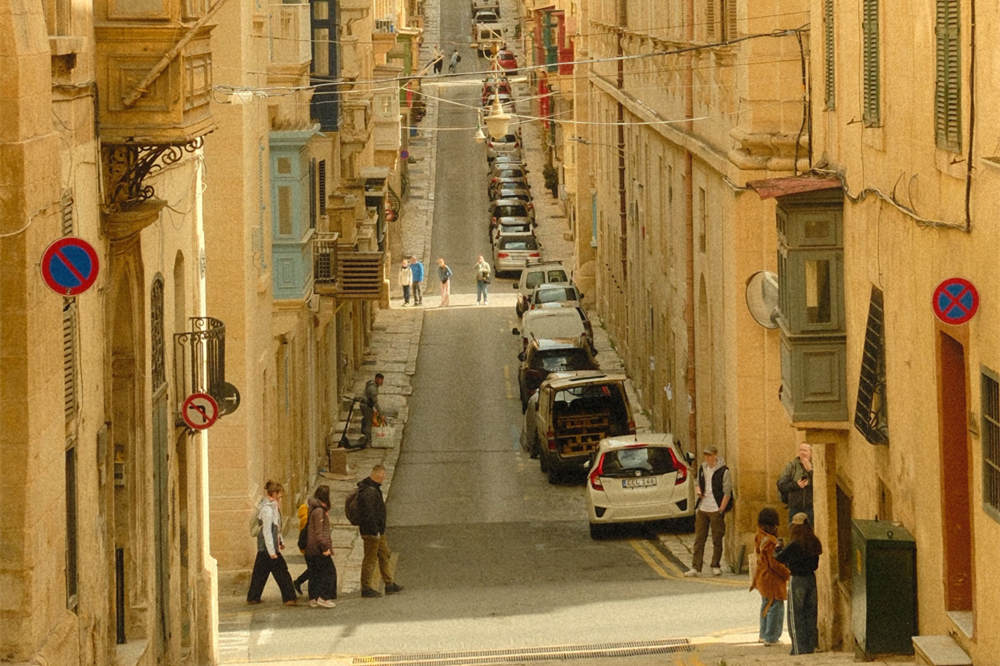
The right base can have a greater effect on the trip than the distance shown on a map. Consider evening atmosphere, access to transport, and the parts of Malta you expect to visit most often.
Valletta
Valletta is the best base for couples who prioritize architecture, museums, restaurants, and historic atmosphere. Staying inside the capital allows you to enjoy its streets before day-trip groups arrive and after many visitors have departed.
Its location is also useful for passenger ferries across the harbor. However, Valletta has steep streets, limited vehicle access, and relatively few conventional resort facilities. Historic hotels may have compact rooms or limited elevator access, so check the property details carefully.
Sliema and Gżira
Sliema and Gżira offer a large selection of hotels, apartments, shops, and waterfront restaurants. They are practical choices for couples who want easy access to buses and the passenger ferry into Valletta.
The setting is modern and densely developed rather than romantic in a traditional sense. Traffic and construction can affect the atmosphere, while most swimming access is from rocks rather than sand.
St. Julian’s
St. Julian’s is a convenient base for dining, nightlife, beach clubs, and energetic evenings. Spinola Bay and Balluta Bay have waterfront restaurants and pleasant walking routes, while Paceville contains Malta’s most concentrated nightlife district.
Hotel location matters considerably here. Couples seeking late nights may appreciate being close to Paceville, but light sleepers should choose a property farther from its busiest streets.
Mellieħa
Mellieħa suits couples who place beaches and northern boat departures above urban sightseeing. It is close to Mellieħa Bay and better positioned for journeys toward Ċirkewwa, Comino, and Gozo.
The town is built along a steep slope, and not every hotel is within an easy walk of the beach. Reaching Valletta and southern Malta also takes longer, making Mellieħa less efficient for an itinerary centered on historic attractions.
Gozo
Gozo is the strongest choice for a quiet second base. Victoria offers restaurants and transport connections, while Xlendi and Marsalforn provide coastal settings. Village farmhouses appeal to couples who want privacy and a rural atmosphere.
One or two nights allow you to see Gozo after many day visitors have returned to Malta. Changing hotels is less worthwhile on a very short trip, but it can transform the pace of a week-long stay.
The Best Places to Visit in Malta
Valletta and the Three Cities
Valletta contains one of Europe’s densest concentrations of historic buildings within a small, walkable area. St. John’s Co-Cathedral is the principal interior attraction, while the Upper Barrakka Gardens overlook the Grand Harbour and the fortifications across the water.
The city is best explored without following a rigid route. Walk down the sloping side streets, look for traditional enclosed balconies, and continue toward the waterfront. Valletta becomes especially appealing in the early evening, when the stone façades soften in the lower light.
Across the harbor, the Three Cities offer a quieter perspective. Birgu contains narrow residential lanes, a marina, and Fort St. Angelo. Senglea has elevated viewpoints over the docks, while Cospicua connects the surrounding waterfront districts.
The harbor ferry services make it easy to combine Valletta with either Sliema or the Three Cities without returning to the roads.
Mdina and Rabat
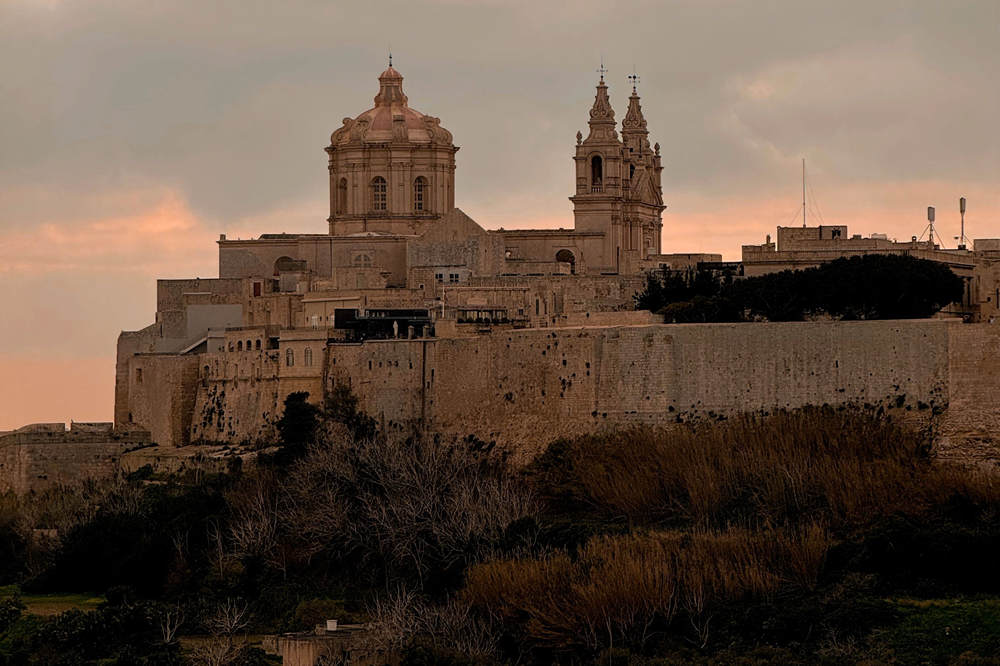
Mdina is a fortified hilltop city of enclosed lanes, palaces, churches, and broad views across central Malta. Cars are restricted within much of the old city, giving it a more peaceful atmosphere than the harbor districts.
Late afternoon is an appealing time to arrive. The busiest visitors begin to leave, the streets become quieter, and the walls provide a natural setting for sunset. Staying into the evening reveals a more intimate side of the city.
Rabat begins immediately outside Mdina but has a character of its own. Its active town center contains bakeries, churches, Roman remains, and St. Paul’s Catacombs. A combined visit works well because the two places offer different experiences without requiring additional transport.
Malta’s Prehistoric Sites
The prehistoric monuments distinguish Malta from many other Mediterranean destinations. Ħaġar Qim and Mnajdra stand near the southern coast, approximately 500 meters apart within the same archaeological park. Their exposed setting adds dramatic sea views but offers limited protection from heat and wind.
The underground Ħal Saflieni Hypogeum requires more careful preparation. Visitor numbers are restricted, making advance booking through Heritage Malta important for anyone with fixed travel dates.
Arrive at least 15 minutes before the scheduled tour. Closed, comfortable footwear is mandatory; visitors wearing sandals, flip-flops, or high heels are not admitted. Children under six cannot enter, and most of the underground monument is not wheelchair accessible.
Couples with a casual interest in archaeology may prefer the open-air temples at Ħaġar Qim and Mnajdra. The Hypogeum is the stronger priority for travelers specifically interested in prehistory and rare underground sites.
Marsaxlokk and Southern Malta
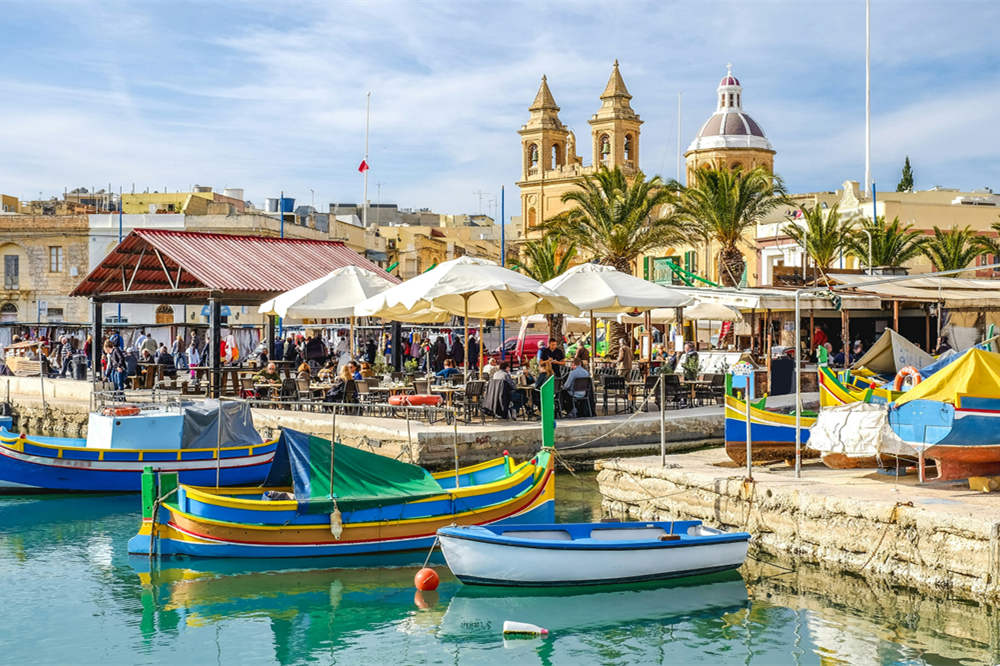
Marsaxlokk is a working fishing village known for its harbor, colorful boats, and seafood restaurants. Its waterfront is most rewarding as a lunch stop followed by an unhurried walk rather than as a full-day destination.
The larger Sunday market attracts substantial crowds. A weekday visit provides a quieter setting and makes it easier to see the harbor beyond the market stalls.
Combine Marsaxlokk with another southern attraction to reduce time on the road. Possible pairings include the Blue Grotto viewpoint, a boat trip from Wied iż-Żurrieq, or the temples at Ħaġar Qim and Mnajdra.
Beaches and Swimming Spots
Malta’s coast is varied, but many swimming areas consist of rock platforms, ladders, and small coves rather than broad sandy shores. Water shoes are useful at places where the entry is uneven or slippery.
Għajn Tuffieħa is among the most scenic sandy beaches, with open views and a relatively natural setting. Reaching it requires a long staircase, which can make the return climb tiring in hot weather.
Nearby Golden Bay has easier access and more facilities. It is a practical choice for couples who want a simple beach afternoon, although it generally feels more developed and crowded.
St. Peter’s Pool, near Marsaxlokk, is a rocky swimming area with clear water and natural ledges. It offers little shade and is not suitable for anyone who needs gentle, step-free access to the sea.
Sliema and St. Julian’s have convenient rocky swimming zones close to hotels and restaurants. They lack the scenery of the more remote beaches but are useful when there is not enough time for a separate coastal excursion.
Visiting Gozo and Comino
Gozo as a Day Trip or Overnight Stay
A Gozo day trip works best when limited to a few well-chosen places. Public buses radiate from Victoria, but reaching several coastal attractions in one day can involve substantial waiting and backtracking. A rental car, taxi, or organized tour provides more flexibility.
Victoria is the island’s main town and transport center. Its fortified Cittadella rises above the surrounding countryside and contains museums, historic buildings, and panoramic viewpoints.
Beyond Victoria, choose stops according to your interests. Ġgantija is important for prehistory, Xlendi combines a small bay with waterfront dining, and the northern salt pans reveal a traditional part of Gozo’s coastal landscape.
The Gozo Channel vehicle and passenger ferry operates between Ċirkewwa in Malta and Mġarr in Gozo. The journey normally takes about 25 minutes, although the drive or bus ride to Ċirkewwa must also be included in the day’s timing. Current departures are listed on the Gozo Channel schedule.
Foot passengers staying near Valletta can also use the Gozo Highspeed service between the capital and Gozo. Check live updates before leaving, since weather and operational conditions can affect marine transport.
Planning a Comino and Blue Lagoon Visit
Comino’s Blue Lagoon is known for shallow turquoise water between low limestone shores. The water can be beautiful, but the main landing area becomes extremely crowded during the busiest summer hours.
Early and later departures generally provide a calmer experience than arriving in the middle of the day. Some excursions include caves or additional swimming stops, so compare the complete route rather than choosing solely by price.
Visitors who intend to step onto land within the managed Blue Lagoon area must reserve a free timed QR code through the official Blue Lagoon booking system. This access reservation is separate from the boat ticket.
Facilities and shade are limited. Bring drinking water, sun protection, footwear suitable for rock, and only what you can carry comfortably. A larger ferry may feel more stable than a small speedboat for travelers who are sensitive to motion.
Food and Dining in Malta
Maltese cooking combines local Mediterranean ingredients with influences from Sicily, North Africa, and Britain. The variety makes it possible to alternate inexpensive bakery food with more elaborate dinners.
Pastizzi are flaky pastries traditionally filled with ricotta or curried peas. They are widely available and work well as a quick breakfast or snack. Maltese ftira is a ring-shaped bread that may be served with tomatoes, olives, capers, tuna, or other savory fillings.
More substantial local dishes include rabbit stew, baked pasta, octopus, fish, and seasonal vegetables. Gozo is associated with ġbejna, a small cheese commonly made from sheep’s milk and sold fresh, dried, or coated with pepper.
Rather than eating every meal along the busiest waterfronts, combine one or two atmospheric dinners with casual neighborhood restaurants and bakeries. Valletta is well suited to an evening meal, while Marsaxlokk and coastal Gozo are natural places to look for seafood.
Reservations are sensible for a special dinner in summer or on a weekend, particularly when a specific terrace or harbor view matters.
Getting Around Malta
Public Buses
Buses serve most towns, beaches, and major attractions on Malta and Gozo. They are affordable and practical for couples who are not trying to visit several distant places on the same day.
Traffic and indirect routes can make journeys longer than expected. Build a day around one geographic area and allow additional time when traveling during the morning or evening rush.
The official Tallinja app includes journey planning, routes, service alerts, and real-time bus tracking. Tickets can be bought on board, while multi-journey and unlimited-travel cards may offer better value for frequent use.
Harbor Ferries
Passenger ferries are often more enjoyable than traveling around the harbor by road. Services connect Valletta with Sliema and the Three Cities, turning a necessary transfer into a short scenic journey.
Operating hours may differ by season, so confirm the final return departure before planning a late dinner on the opposite side of the harbor.
Rental Cars
A car is most useful for rural accommodation, several days on Gozo, or an itinerary containing attractions with awkward bus connections. Driving is on the left, and village roads can be narrow.
Parking is difficult around Valletta, Sliema, St. Julian’s, and popular beaches. Couples based in a central urban area may find that a car creates more inconvenience than it solves.
Taxis and Ride-Hailing Services
Taxis and app-based cars are valuable for airport transfers, early departures, late evenings, and journeys that would otherwise require several bus connections.
A mixed approach often works best: use buses and ferries for simple routes, then pay for a direct car when it saves a meaningful amount of time.
How Much to Budget for Malta
The following figures are rough daily planning estimates for two people sharing a room. They include accommodation, meals, local transportation, and ordinary sightseeing, but exclude international flights, private boat charters, and major shopping.
Budget-Conscious Trip: About €120–€190 per Day
This range generally means a simple guesthouse or apartment, bakery breakfasts, casual meals, public transportation, and a selective approach to paid attractions. It is easier to achieve outside the summer peak.
Comfortable Mid-Range Trip: About €220–€380 per Day
A mid-range budget can cover a well-located hotel, restaurant dinners, museum admissions, ferries, occasional taxis, and a standard group boat excursion.
Higher-End Trip: From About €450 per Day
Harbor-view hotels, private transfers, fine dining, premium resorts, and small-group or private boat trips can take the daily cost above this level. There is no meaningful upper limit, particularly during busy summer dates.
Accommodation is usually the largest variable. Location, sea views, hotel facilities, and the timing of the booking can change the total considerably. Boat trips and frequent private transport are the next expenses most likely to increase the budget.
Essential Information Before You Go
- Currency: Malta uses the euro. Cards are widely accepted, although carrying a small amount of cash is useful for bakeries, kiosks, and minor purchases.
- Languages: Maltese and English are official languages, and English is widely used throughout the visitor economy.
- Electricity: Malta uses Type G sockets. Travelers using other plug types will need an adapter.
- Entry requirements: Visa and passport rules depend on nationality and can change. Confirm the current requirements through an official government or consular source before departure.
- Accessibility: Historic streets may be steep or uneven, older hotels do not always have elevators, and many swimming areas require stairs or access over rock. Check individual attractions and accommodation before booking.
Official information about visas, emergency services, accessibility, public holidays, and other practical matters is available through Visit Malta’s essential information.
Final Thoughts
Malta works best when couples accept that a small country does not necessarily mean a fast trip. The most memorable visits combine a limited number of historic attractions with harbor crossings, long meals, and time beside the sea.
Choose Valletta for culture and evening atmosphere, northern Malta for easier beach and boat access, or Gozo for a quieter pace. Whatever base you select, leave enough unscheduled time for a sunset ferry, an empty lane in Mdina, or an afternoon spent swimming without watching the clock.