How We Made Our Dream of Traveling the World a Reality
In June 2015, we boarded a one-way flight from Los Angeles to Italy. We had left our jobs, packed away the belongings we wanted to keep, and committed ourselves to a journey that had once seemed unrealistic.
What began as an idea to live in Florence became seven months of travel through about a dozen countries. We did not have trust funds, established remote careers, or an unlimited budget. We had saved $8,000, paid for several major reservations from our regular income before leaving, and remained open to earning money along the way.
Our trip was not funded by one clever travel trick. It happened because we made travel a shared priority and allowed that decision to shape how we saved, planned, worked, and spent our money.
We Stopped Treating Travel as a Distant Dream
The idea became serious during a conversation beside a pool in Santa Monica. We were considering a month-long trip through Italy, Greece, and Croatia, but the estimated cost seemed difficult to justify for such a short vacation.
Then the conversation changed. Instead of asking how we could afford a few weeks in Europe, we started wondering whether we could live abroad.
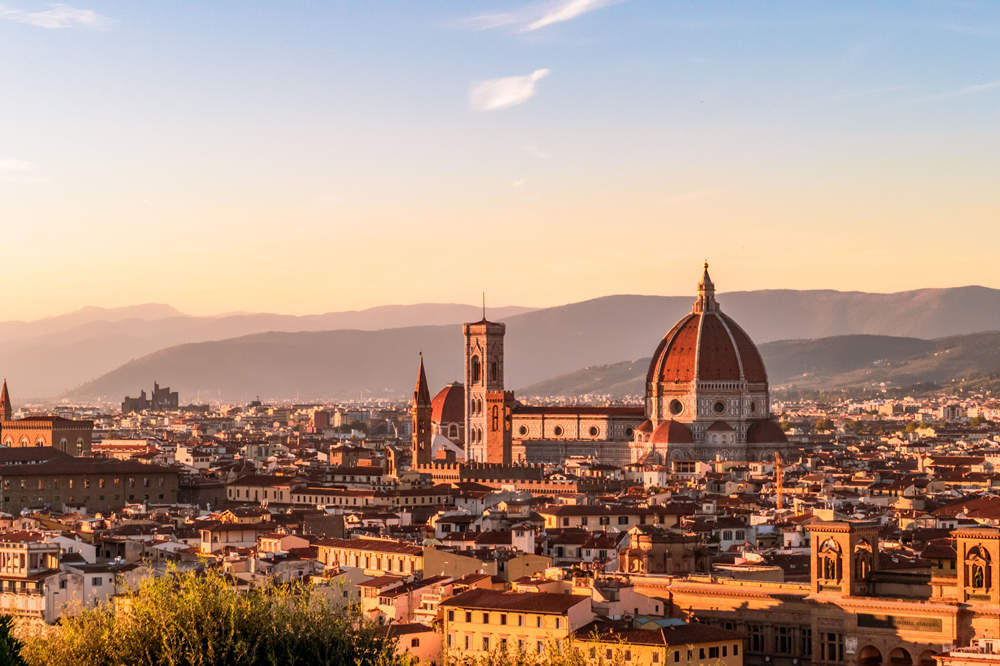
Florence became the center of the plan. We did not yet know how long we would stay, how many countries we would visit, or exactly how we would support ourselves. We simply knew that the idea mattered enough to explore seriously.
We also agreed early in our relationship that experiences were more valuable to us than accumulating things. That did not mean money was unimportant. It meant we were willing to organize our finances around the life we wanted rather than following a routine that did not feel right for us.
Leaving still came with real concerns. We wondered whether stepping away from our jobs would hurt our careers and whether our savings would last. We did not eliminate those fears before making the decision. We accepted that complete certainty was unlikely to arrive.
We Planned the Expensive Parts and Left the Rest Flexible
For much of the following year, our plans remained informal. We talked about possible destinations, compared costs, and imagined what daily life in Florence could look like.
About two months before our departure, we bought one-way tickets to Italy. That purchase changed the trip from a possibility into a commitment.
Because we would be traveling through Europe during the busy summer season, we booked many of our flights and accommodations through October. Rather than paying for everything from our travel fund, we purchased those reservations gradually as our regular paychecks arrived.
These advance expenses came to approximately $4,000. Paying them before departure gave us a clearer idea of how much money remained for food, local transportation, activities, and later accommodation.
We did not reserve every day of the journey. Major flights and stays in popular destinations received the most attention, while regional trips and ordinary days remained open. Within Italy, that flexibility allowed us to travel by train to places including Rome, Milan, Naples, Pisa, and Cinque Terre.
Not every early booking worked in our favor. As our budget and route changed, we occasionally had to abandon plans that no longer made sense. A prepaid flight should not force a couple to spend considerably more money completing a trip they can no longer afford.
The experience taught us to plan the parts that were expensive or difficult to replace while leaving enough room for the journey to change.
How We Saved $8,000 Before Leaving
We built our travel fund during approximately six months of focused saving. Neither of us had a particularly high income, and living in Santa Monica meant that everyday expenses could add up quickly.
At the time, Michael worked in sales for an IT consulting company. Alex taught yoga and also worked in modeling and acting. We continued working until immediately before our departure so we could save as much as possible.
We cooked roughly 90 percent of our meals at home, reduced weekend trips, spent less on gas, and stopped buying coffee every day. We also sold a car, a television, and other belongings we would not need while living abroad.
The most useful change was learning to compare an expense at home with what the same money could provide during the trip.
Twenty dollars spent on an unnecessary drive could become a meal in Florence, a night in an inexpensive room, or much of a day’s food in Bali. One hundred dollars spent on clothing we did not need could contribute to a flight.
This mindset did not make saving effortless. We enjoyed restaurants, outings, coffee, and spontaneous plans with friends. Reducing those expenses required us to give up things we genuinely liked.
The difference was that the sacrifice had a visible purpose. We were not saving simply to increase a number in a bank account. We were saving for time abroad.
The $8,000 Was Not the Entire Cost
It is important to be honest about what the $8,000 represented.
That amount was our main savings fund when we left, but it was not the complete cost of seven months of travel. We had already paid approximately $4,000 for flights, accommodation, and other advance arrangements from our regular income.
We also earned about $5,500 while we were abroad. That money came from several sources, including freelance writing, contract work, photography, blogging, and brand partnerships.
Travel rewards helped with some flights as well, including parts of our journey to Asia and our eventual return to Los Angeles. The specific credit-card offers we used in 2015 have since changed, so they should not be treated as current recommendations.
Presenting the journey as seven months of travel costing only $8,000 would leave out too much of the financial picture. A more accurate description is that we combined savings, prepaid reservations, travel rewards, modest income, and careful spending to keep the trip going.
Couples planning their own journey should calculate the entire cost rather than focusing on one appealing savings figure.
How We Made Our Money Last
Once we left California, our financial goal changed. Instead of building the fund, we needed to make it last.
We could not treat every day like a conventional vacation. Staying in hotels, eating every meal in restaurants, and moving to a new city every few days would have exhausted our money quickly.
We spent four months in Florence, one month in Nice, and two months in Bali. These longer stays helped us develop familiar routines while reducing the pressure to fit every experience into a few days.
Apartments with kitchens allowed us to shop for groceries and cook. We still enjoyed local restaurants and regional specialties, but dining out became a choice rather than the default for every meal.
Slow travel also reduced some of the hidden costs of moving frequently. Each transfer can involve train tickets, airport transportation, baggage charges, temporary accommodation, and meals purchased while in transit.
By the middle of September, our prepaid reservations were running out and our savings were shrinking. We began cooking more often and cutting expenses wherever possible.
We also canceled a planned trip to Stockholm. The flight had already been purchased, but continuing with the trip would have required additional accommodation, food, and local transportation that we could no longer justify.
That decision was disappointing, but protecting the larger journey mattered more than following every part of the original itinerary.
How We Earned Money While Traveling
We did not leave home with a dependable remote income. The work developed gradually after we began traveling.
At first, freelance travel writing brought in about $350 a month. As Couple’s Coordinates grew, our monthly income sometimes reached between $1,000 and $1,500.
Michael later completed remote contract work for his former company. Alex earned smaller amounts through photography and social media partnerships while also completing yoga teacher training in Bali.
The income helped extend the trip, but it did not create a life of effortless, permanent travel. Some days involved no work, while others included writing, photography, emails, recruiting, and maintaining the website.
By late December, our original savings and the money earned abroad were nearly gone. We had hoped to travel for a full year, but returning to California was the financially responsible decision.
Going home earlier than planned did not erase what we had accomplished. It simply marked the point when our available resources no longer supported the journey we wanted.
We Had to Build a Routine Together
During our first month in Italy, we were constantly exploring. The freedom was exciting, but we soon realized that living abroad required a different rhythm from taking a short vacation.
We needed time to work on the blog, exercise, buy groceries, plan transportation, and manage ordinary responsibilities. Without some structure, even enjoyable days could begin to feel disorganized.
Longer stays made that routine easier to create. We could return to the same grocery store, visit a familiar café, exercise regularly, and learn how a neighborhood worked. Those small habits helped unfamiliar places feel more like temporary homes.
Traveling as a couple also meant making financial and logistical decisions together. We had to agree when an experience was worth the expense and when the budget required us to say no.
Dividing the practical work helped as well. Route research, reservations, photography, writing, and financial planning all required attention. The trip worked better when responsibility did not fall entirely on one person.
Living without a fixed schedule took adjustment. At home, we had been accustomed to measuring productive days by how busy they were. Abroad, we had to learn that a quiet afternoon beside the river or an unplanned walk through a neighborhood was not wasted time.
Lessons Couples Can Apply Today
Our experience took place in 2015, so the exact prices, travel products, technology, and entry rules should not be copied without current research. The broader planning principles are still relevant.
Calculate the Complete Budget
Include expenses paid before departure as well as the money needed on the road. Flights, accommodation, insurance, visas, transportation, food, activities, phone service, storage, existing bills, and return-home costs all belong in the calculation.
Keep Emergency Money Separate
A daily travel budget should not include every dollar available. Couples need a separate reserve for medical care, replacement flights, lost belongings, family emergencies, or an earlier-than-expected return home.
Choose a Pace the Budget Can Support
A slower trip can reduce transportation costs and make it easier to cook, work, rest, and understand each destination. It also gives couples more space when their energy levels or interests differ.
Research Current Entry and Safety Requirements
Before leaving, review the international travel checklist for passport validity, visas, entry rules, local laws, travel advisories, insurance, and emergency preparation.
Health needs can vary by destination and activity. The CDC’s pre-travel guidance provides current information about vaccines, medications, travel health risks, insurance, and preparing for medical care abroad.
Plan for the Return Home
The journey does not end when the final flight lands. Couples should consider where they will live, how long their remaining savings may last, and how quickly they expect to return to work.
A realistic return plan can make the decision to leave feel less risky and prevent the final weeks of travel from becoming unnecessarily stressful.
The Dream Became Real Because We Started
We did not travel the world because every detail was resolved. We did it by turning one large dream into a series of smaller decisions.
We chose a starting point. We changed our spending. We saved for six months, bought one-way tickets, paid for the most important reservations, and accepted that the route might change.
There were compromises along the way. We cooked when we wanted to eat out, worked during parts of the trip, canceled plans, and returned home sooner than expected.
Those compromises were not separate from the experience. They were what allowed it to happen.
A dream trip rarely becomes possible through perfect timing or unlimited money. It becomes possible when two people agree on what matters, understand what it will cost, and begin making practical choices that move them closer to departure.