What Is a Honeymoon? Meaning, History, Cost, and What Couples Do
A honeymoon is a trip a couple takes to celebrate the beginning of married life. It traditionally follows the wedding, although couples today may leave immediately, wait several days, or postpone the trip for months. A honeymoon can be a beach vacation, city break, road trip, outdoor adventure, or quiet weekend close to home. There is no required destination, length, or spending level.
What Is a Honeymoon?
The word honeymoon has two related meanings. It can describe a vacation taken by a newly married couple, and it can refer more broadly to the happy early period following a marriage.
For travelers, the first meaning is the familiar one. The honeymoon is usually a trip planned specifically to celebrate getting married and spend time together away from the wedding festivities and everyday routines.
What makes a trip a honeymoon is its purpose rather than its format. It does not need to involve an international flight, tropical island, luxury resort, or elaborate itinerary. A few days at a nearby cabin can serve the same purpose as two weeks traveling overseas.
Why Do Couples Go on Honeymoons?
A wedding is often centered on a larger circle of relatives and friends. A honeymoon gives the newly married couple a separate experience that belongs primarily to them.
To Celebrate the Beginning of Marriage
The trip can provide a natural transition between the wedding and ordinary married life. Instead of ending the celebration when the reception is over, couples have another experience to look forward to together.
Honeymoons remain common among newlyweds. According to The Knot’s 2025 Real Weddings Study, 69% of surveyed newlyweds took a honeymoon. The same guide reports that creating memories and connecting more deeply were important motivations for many couples who wanted one.
To Have Time Together
Weddings can involve months of coordinating venues, vendors, guests, schedules, clothing, transportation, and family responsibilities. Once those commitments are over, a honeymoon creates a period when the couple can focus on each other rather than hosting an event.
That time does not need to be filled with special activities. For some newlyweds, the appeal is simply waking up somewhere different with no wedding schedule to follow.
To Share a Memorable Experience
A honeymoon can also become the first major trip a couple takes as spouses. Some choose a destination they have wanted to visit for years, while others build the trip around a shared interest such as food, hiking, history, wildlife, skiing, or beaches.
There is no reason for the experience to match anyone else’s idea of romance. A trip built around things both people genuinely enjoy is usually more meaningful than one designed around honeymoon stereotypes.
Where Did the Honeymoon Tradition Come From?
The word honeymoon existed long before resort vacations became part of wedding culture.
Merriam-Webster’s history of the word traces its earlier use to the 16th century, when it referred to the pleasant early period of marriage. The vacation meaning appeared much later, toward the end of the 18th century.
The combination of honey and moon used the idea of sweetness alongside a changing period of time. Historical explanations differ on exactly how the imagery was intended, so colorful stories about mead, lunar cycles, or month-long customs should not be treated as a certain origin of the word.
Over time, the meaning shifted. Instead of referring mainly to the early stage of marriage, honeymoon became strongly associated with the journey newlyweds take after their wedding.
When Do You Take a Honeymoon?
A honeymoon does not have to begin the moment a wedding ends. Couples increasingly choose a departure date based on practical travel considerations rather than tradition.
The Knot’s 2024 Honeymoon Study found that only 14% of surveyed couples left immediately after their reception. Another 27% waited one or two days, 17% waited three to seven days, and 17% waited at least a month.
Immediately After the Wedding
Leaving right away keeps the wedding and trip connected as one continuous celebration. This can work especially well when the honeymoon is easy to reach and most of the packing and travel arrangements have been completed beforehand.
The tradeoff is energy. A couple may be starting a flight or long drive after several busy days, so an ambitious first day at the destination may not be appealing.
A Few Days or Weeks Later
A short gap gives couples time to recover from the wedding, organize their belongings, finish packing, and deal with practical responsibilities before traveling.
It can also make the departure feel less rushed, particularly for an international itinerary that requires passports, multiple flights, transfers, or more detailed preparation.
Several Months Later
There are good reasons to delay a honeymoon further. A destination may have better weather in another season, airfare may be more manageable at different times of year, or work schedules may make an immediate vacation difficult.
Waiting can also give couples additional time to save for the trip they actually want instead of choosing a destination simply because it is available immediately after the wedding.
There is no expiration date on the idea. A delayed honeymoon still serves the same purpose.
How Long Is a Honeymoon?
There is no standard number of honeymoon days. Trip length depends on available vacation time, budget, destination, transportation, and how much of the vacation will be consumed by getting there and back.
According to The Knot’s 2024 Honeymoon Study, 70% of surveyed couples took honeymoons lasting one week or less. Fifty-six percent traveled for five to seven days, while exactly seven days was the single most common length.
Those figures are useful for context, but they are not a target couples need to match.
A three- or four-night honeymoon can work well when the destination is nearby. Longer-distance trips may benefit from additional days because flights, airport connections, time-zone changes, and transfers reduce the amount of usable vacation time.
A good way to judge trip length is to count the days you will actually spend enjoying the destination rather than simply looking at the total number of days between departure and return.
What Do Couples Do on a Honeymoon?
There is no standard honeymoon itinerary. Activities usually reflect how the couple likes to travel.
Relax and Slow Down
Couples seeking a restful trip may choose a beach, quiet resort, spa hotel, lakefront property, or countryside retreat. Their days might revolve around swimming, meals, reading, scenic walks, and having very little scheduled.
Explore a City or Region
Other couples prefer museums, historic sites, neighborhoods, markets, architecture, performances, and day trips. A city-based honeymoon can work particularly well for travelers who enjoy having many options without moving hotels frequently.
Plan an Outdoor Adventure
Hiking, snorkeling, diving, kayaking, skiing, wildlife viewing, cycling, and road trips can turn the honeymoon into an active vacation. Weather and seasonal conditions become particularly important for this type of trip.
Travel for Food
Restaurants, markets, regional specialties, wineries, cooking classes, and local food traditions can shape an entire honeymoon. Couples who enjoy culinary travel may prefer spending more time in fewer places so they can explore a destination through its food rather than rushing between attractions.
Many successful itineraries combine several styles. A couple might spend the first half sightseeing and the second half somewhere quieter instead of choosing between an active trip and a relaxing one.
How Much Does a Honeymoon Cost?
Honeymoon costs vary too widely for one average to tell couples how much they should spend.
For context, The Knot reports an average honeymoon cost of about $5,300 among nearly 17,000 surveyed U.S. couples who married in 2024. Separately, Honeyfund’s 2026 travel research reports an average honeymoon budget of about $6,500. These are different studies using different samples and measures, so the numbers should not be treated as directly comparable or as a recommended spending level.
The actual price of a honeymoon is shaped primarily by:
- Airfare or other transportation
- Destination
- Number of nights
- Hotel or rental category
- Peak, shoulder, or low season
- Meals and drinks
- Tours and activities
- Local transportation
- Travel insurance, taxes, and applicable fees
A short domestic road trip can cost far less than an international resort stay even if both are equally meaningful to the couples taking them.
Instead of treating an industry average as a goal, decide what amount fits comfortably alongside your wedding and other financial priorities. Then compare destinations that can realistically deliver the kind of trip you want within that range.
Honeymoon vs. Minimoon: What Is the Difference?
A minimoon is a shorter getaway connected to the wedding. Couples may take one instead of a longer honeymoon or use it as an immediate post-wedding break before taking their main trip later.
| Honeymoon | Minimoon |
|---|---|
| Usually the main post-wedding trip | Usually a shorter post-wedding getaway |
| May involve domestic or international travel | Often easier to arrange close to home |
| Can require more vacation time and planning | Typically requires fewer days away |
| Can happen immediately or months later | Often taken soon after the wedding |
The Knot’s 2024 Honeymoon Study found that surveyed minimoons generally lasted two to five days. That makes the format useful for couples who want some private time immediately after the wedding but cannot—or do not want to—take their main vacation yet.
A minimoon does not prevent a couple from taking a honeymoon later. The two trips can serve different purposes: one offers an easy post-wedding escape, while the other provides time for a larger travel experience when circumstances are better.
Does a Honeymoon Have to Be Expensive?
No. Spending a large amount of money is not part of the definition of a honeymoon.
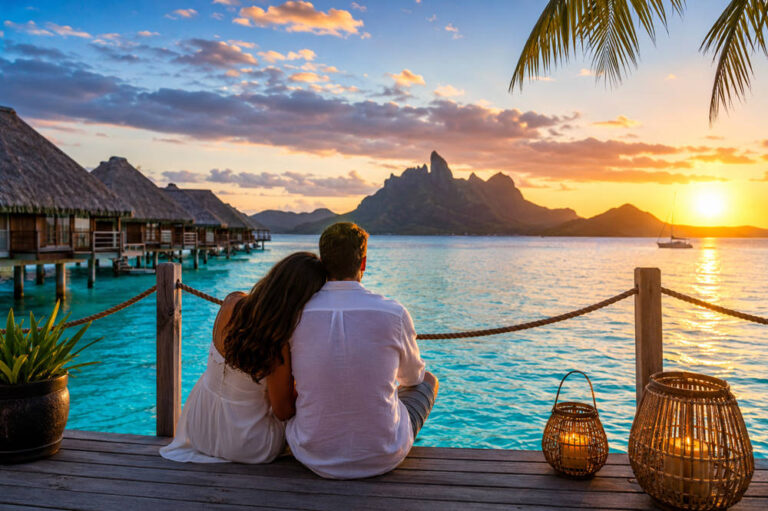
Wedding imagery often emphasizes luxury resorts, private pools, overwater villas, premium suites, and faraway islands. Those options can be wonderful for couples who want them and can comfortably afford them, but they are only one version of honeymoon travel.
A nearby cabin, road trip, campground, small hotel, train journey, national park vacation, or weekend in a favorite city can also be a honeymoon.
The useful question is not whether the trip feels expensive enough. It is whether the trip feels special to both people without creating financial pressure that follows them home.
How to Choose the Right Honeymoon
Once you understand what a honeymoon can be, choosing one becomes easier. Start with four decisions rather than immediately searching for famous honeymoon destinations.
1. Set Your Budget
Decide what you are comfortable spending on the complete trip, not just the hotel. Include transportation, meals, activities, local transit, insurance, taxes, and other predictable costs.
2. Decide How Much Time You Have
Match the destination to the number of days available. Long flights and complicated transfers are harder to justify on very short trips, while nearby destinations can work beautifully for a long weekend.
3. Agree on Your Travel Style
Talk about what each person wants from the trip. One partner may picture a quiet beach while the other imagines museums and restaurants. Another couple may agree immediately that hiking or skiing sounds better than a resort.
A destination that accommodates both people’s priorities usually works better than choosing somewhere simply because it is traditionally associated with honeymoons.
4. Check the Destination and Season
Before booking, research the conditions during your actual travel dates. Weather patterns, crowds, seasonal closures, wildlife seasons, major events, transportation schedules, and accommodation prices can change the experience considerably.
International travelers should also check current entry requirements and passport validity well before departure.
For U.S. travelers changing their legal name after marriage, the U.S. Department of State’s passport guidance explains how the update process varies depending on the traveler’s circumstances. Make sure the name used for transportation reservations is consistent with the travel documents you intend to use.
Final Thoughts
A honeymoon is a trip that celebrates the beginning of a marriage, but almost everything about that trip is flexible.
It can happen immediately after the wedding or later. It can be short or long, nearby or international, inexpensive or luxurious. What matters is choosing an experience that fits the couple’s interests, available time, budget, and travel style.
Instead of trying to recreate someone else’s idea of the perfect honeymoon, build the trip around the way the two of you actually want to spend your time together.