What Panam’s Romance Can Teach Couples About Better Road Trips
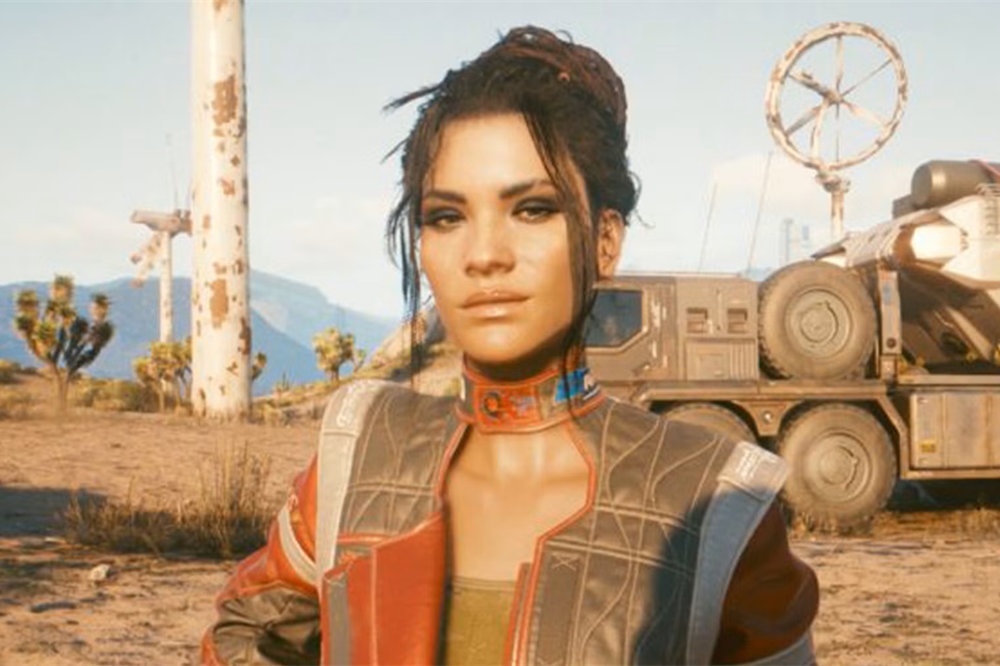
Most Panam romance guides focus on dialogue choices and quests in Cyberpunk 2077. This guide takes the inspiration beyond the game, using Panam Palmer’s open-road world to help couples plan a more playful and adventurous real-life trip.
Panam’s story combines desert landscapes, vehicles, shared missions, fierce independence, and loyalty to her chosen family. Those themes translate naturally into a couples getaway built around scenic drives, meaningful stops, stargazing, and learning how to travel as a team.
You do not need a futuristic vehicle or a dangerous mission. You only need an open road, a shared goal, and a destination that gives both partners room to explore.
Why Panam’s Story Makes Good Road Trip Inspiration
Panam is an Aldecaldo nomad who values freedom while maintaining a strong connection to her family. Her storyline frequently moves between the intensity of Night City and the open landscapes of the Badlands, where vehicles and long stretches of road become part of the experience.
A real couples trip can capture that same contrast. Leaving a crowded city for a desert highway, mountain valley, or remote historic town creates an immediate change of pace. It also gives two people time to cooperate without requiring them to agree on every detail.
The best Panam-inspired road trip is not about copying the danger of the game. It is about combining independence with teamwork, choosing a memorable objective, and making the journey feel as important as the destination.
Choose the Right Level of Adventure for Both Partners
Before choosing a destination, agree on what “adventure” means to each of you. One person may picture camping and unpaved roads, while the other imagines a scenic drive followed by a comfortable hotel.
| Trip style | Best for | Main tradeoff |
|---|---|---|
| Comfortable desert escape | Couples who want scenery, short walks, and a lodge or hotel | Less remote and less spontaneous |
| Scenic road trip | Couples who enjoy driving, small towns, and frequent stops | More hours spent in the vehicle |
| Remote outdoor adventure | Experienced travelers comfortable with limited services | More preparation and greater environmental risk |
Choosing the version that suits the less adventurous partner usually produces a better trip than expecting someone to become comfortable once the journey begins. You can always add optional challenges without making the entire weekend depend on them.
1. Create a Clear Escape From the City
The transition from Night City to the Badlands is part of what gives Panam’s storyline its atmosphere. Recreate that feeling by choosing a route where the surroundings gradually become quieter and more open.
Begin with breakfast or coffee in the city, then follow a road toward desert plains, mountain foothills, farmland, or a remote coastline. When possible, select a scenic route instead of the fastest highway and make one stop where the change in landscape becomes noticeable.
This first stop marks the psychological beginning of the trip. Put away work notifications, take a photograph, stretch your legs, and let ordinary routines stay behind for the weekend.
2. Give the Road Trip One Main Mission
Panam’s journeys have purpose. Your trip will feel more memorable when it also has a central objective beyond reaching an accommodation.
A good mission is specific enough to shape the itinerary but flexible enough that a delay will not ruin the weekend. You might decide to:
- Reach a scenic viewpoint before sunset.
- Visit a preserved mining town or historic desert settlement.
- Complete one moderate hike together.
- Find the darkest practical location for stargazing.
- Follow a scenic highway from beginning to end.
- Photograph five unusual roadside landmarks.
- Find the best independent diner along the route.
Choose the mission together and discuss what you are willing to skip to complete it. If watching the sunset is the priority, for example, an appealing roadside stop may need to wait until the return journey.
3. Share the Work Without Micromanaging Each Other
Road trips become tiring when one person handles the driving, directions, reservations, fuel, meals, and every unexpected problem. Divide the practical responsibilities before departure so neither partner becomes the permanent trip manager.
Keep the arrangement simple:
- Decide who will drive each section.
- Choose who will handle navigation and practical checks.
- Identify decisions that must always be made together.
Roles can change during the trip. A partner who prefers not to drive may manage route updates, music, meal stops, and reservation details. The driver should still have a say in rest breaks and road conditions.
The objective is not an exact division of every task. It is making sure both people are participating rather than leaving one person responsible for the entire experience.
4. Make the Vehicle Part of the Adventure
Vehicles play an important role in Panam’s world, representing freedom, mobility, and a temporary home on the road. Your car can create a similar feeling without being expensive or unusual.
Clean out everyday clutter before leaving, check the tires and fluids, and organize drinks and snacks where both travelers can reach them. Download maps, playlists, and podcasts before entering areas with limited cellular coverage.
You could also create a shared road-trip tradition:
- Build a playlist with alternating song choices.
- Bring an instant or disposable camera.
- Choose a signature road snack.
- Take one photograph of the vehicle at the trip’s main destination.
A convertible or campervan can be enjoyable when it suits the budget, but an ordinary car is enough for most maintained routes. Never assume a rental vehicle is permitted on rough roads, and do not take a low-clearance car onto an unpaved route simply because a navigation app suggests it.
5. Add Small Side Quests
The main mission gives the trip structure. Side quests create the unexpected stories you may remember most clearly.
Prepare a short list of optional challenges and choose one whenever you have extra time:
- Find a locally made snack for less than $10.
- Ask a visitor center employee about an overlooked stop.
- Photograph a mural or piece of roadside art.
- Let each partner choose the other’s café drink.
- Visit one attraction neither of you would normally select.
- Take a photograph that resembles a video-game loading screen.
- Find the oldest publicly accessible building in a small town.
Keep these challenges legal and respectful. Do not enter abandoned structures, cross private property, move artifacts, or ignore posted restrictions for the sake of a photograph.
A side quest should make the day more interesting, not pressure you into an unsafe or uncomfortable situation.
6. Plan a Quiet Night Under the Stars
Open landscapes and quiet nighttime scenes are central to the Panam-inspired atmosphere. A developed campground, desert lodge, remote cabin, or approved stargazing location can provide that feeling without requiring a difficult backcountry trip.
Joshua Tree National Park is an International Dark Sky Park with some of Southern California’s darker night skies. The National Park Service recommends using red lights rather than bright white flashlights or phone screens so your eyes can adjust to the darkness.
Nevada also offers numerous dark-sky destinations, including Tonopah, Great Basin National Park, Gerlach, Elko, and other locations far from major urban lighting.
Pack a few simple essentials:
- Warm layers for the temperature drop after sunset.
- Water and a small snack.
- A blanket or reclining chairs.
- A red-light flashlight.
- An offline star map.
- A safe plan for returning to your accommodation.
A stargazing area is not automatically a legal place to camp. Stay overnight only in designated campsites, lodging, or other locations where overnight use is expressly permitted. Fires should be limited to authorized areas and avoided whenever current restrictions prohibit them.
7. Use the Drive for Better Travel Conversations
Long stretches of road create time for conversations that often get interrupted at home. Keep the questions centered on the trip rather than turning the drive into a formal relationship exercise.
You might ask:
- Which stop has surprised you most?
- Would you prefer a slower itinerary next time?
- Which travel responsibility do you enjoy handling?
- What destination should we try after this?
- What would you change if we had one additional day?
Quiet time is equally valuable. Listening to music or watching the landscape pass without talking does not mean the trip is going badly. A comfortable silence can be one of the pleasures of traveling together.
8. Leave Room for Individual Interests
Panam’s independence is part of her appeal, and couples travel does not need to mean spending every minute together.
One partner might explore a bookstore while the other photographs a historic district. At a lodge, one person could take a short walk while the other reads or rests. Even half an hour of separate time can prevent every small preference from becoming a negotiation.
Independence still requires communication. Agree on a meeting place and time, and do not separate in an unfamiliar wilderness area when weather, navigation, wildlife, or limited phone coverage could make that unsafe.
The purpose is to give each person breathing room, not to disappear from the shared itinerary.
9. Prepare for the Desert Seriously
The fictional Badlands are entertaining because of their danger. A real desert journey is better when the drama comes from the scenery rather than preventable problems.
Remote areas may have limited fuel, water, food, cellular coverage, and roadside assistance. Navigation apps can also direct travelers onto damaged or unsuitable roads.
Before departure:
- Check official weather, fire, and road alerts.
- Download maps for offline use.
- Fill the fuel tank or begin with a strong battery charge.
- Carry emergency water and basic supplies.
- Tell someone where you are going and when you expect to return.
- Avoid strenuous midday activity during extreme heat.
- Obey barricades, road closures, and vehicle restrictions.
The National Park Service recommends carrying at least one gallon of water per person per day in Mojave National Preserve. Hikers and cyclists should carry two gallons per person per day.
Conditions also vary sharply by season and elevation. Summer heat can make hiking unsafe, while winter may bring freezing nights, snow, or icy roads. Spring and fall can be more comfortable, but they may also bring larger crowds. Check the destination’s current conditions shortly before leaving rather than relying on general seasonal assumptions.
A Simple Two-Night Panam-Inspired Itinerary
Day One: Leave the City
Have breakfast before departure and follow a scenic route toward your destination. Complete one optional side quest along the way, then arrive with enough daylight to check in, become familiar with the area, and watch the sunset from a safe location.
Keep the first evening easy. Have dinner, confirm the next day’s conditions, and avoid scheduling a long nighttime drive after an already full travel day.
Day Two: Complete the Main Mission
Begin early and complete the trip’s central activity while temperatures and energy levels are favorable. This might be a hike, scenic drive, historic site, paddling route, or photography challenge.
After lunch, leave part of the afternoon open for separate interests, an unexpected stop, or simple rest. Spend the evening stargazing from an approved location or relaxing at your accommodation.
Day Three: Take the Slower Route Home
Choose a local breakfast and make one final stop that was not essential to the itinerary. It could be a small museum, roadside market, overlook, or short trail.
On the drive home, each person can name a favorite moment and one thing that would make the next road trip better. Take a different route back only when it is safe, practical, and genuinely adds something to the journey.
Destinations With a Panam-Inspired Atmosphere
Joshua Tree and the Southern California Desert
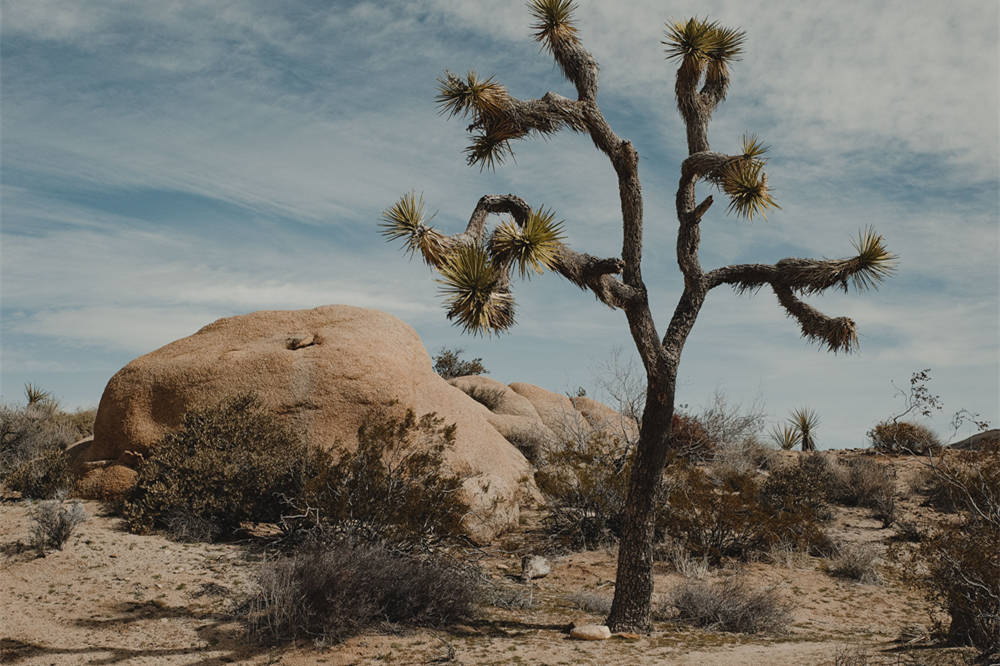
Joshua Tree combines scenic paved roads, unusual rock formations, short and moderate hikes, nearby desert accommodations, and dark night skies. It works well for couples who want dramatic scenery without committing to a highly technical backcountry trip.
The main drawback is popularity. Weekends, holidays, and peak-season periods can bring busy entrances, crowded trailheads, and full campgrounds. Reserve accommodation when necessary and check current park alerts before leaving.
Mojave National Preserve
Mojave National Preserve offers a more remote environment with dunes, volcanic landscapes, Joshua tree forests, historic sites, and long distances between services.
Its isolation is also the main tradeoff. There are no fuel or charging stations within the preserve, and some unpaved roads are not regularly maintained. Check the latest road conditions, arrive with sufficient fuel or charge, and stay on roads suitable for your vehicle.
Nevada’s Highway 50
Nevada’s Highway 50 offers open roads, Pony Express history, mining towns, hot springs, state parks, and access to Great Basin National Park. It suits couples who consider the drive itself a major part of the holiday.
The distances require realistic planning. Confirm fuel, food, and lodging stops instead of assuming the next community will offer every service.
California’s Eastern Sierra
U.S. Highway 395 follows the eastern side of the Sierra Nevada, where arid valleys meet high alpine mountains. Couples can combine desert scenery with lakes, volcanic formations, historic towns, hot springs, and mountain trails.
This route is a strong choice when one partner wants an open-road desert atmosphere and the other prefers cooler elevations and mountain scenery. Weather and seasonal road access can vary considerably along the route, so check conditions for every major stop.
Who Will Enjoy This Kind of Trip?
A Panam-inspired road trip is especially suited to couples who enjoy gaming, outdoor scenery, photography, unusual roadside stops, and itineraries that leave room for improvisation.
It can also work when only one partner knows Cyberpunk 2077. The gaming connection provides a theme, but the actual experience remains a scenic couples trip with shared challenges and practical choices.
Couples who dislike long drives, hot weather, remote services, or uncertain schedules can adapt the idea by choosing a shorter route, comfortable lodging, and one carefully planned outdoor activity.
Take the Spirit of the Journey, Not the Danger
The most useful inspiration from Panam’s story is not a particular romance choice or dramatic mission. It is the combination of freedom, loyalty, movement, and shared purpose.
Choose a road that changes the scenery. Give yourselves one memorable objective. Share the practical work, but leave room for individual interests. Stop for something strange, stay long enough to see the stars, and prepare carefully enough that the adventure remains enjoyable.
A good couples road trip does not need to be perfect or conventionally romantic. It only needs to feel like a journey both people helped create.
Featured Image Source: https://screenrant.com/romance-panam-guide-cyberpunk-2077/