10 Best Solo Female Travel Destinations in the U.S.
Traveling alone gives you complete control over the itinerary. You can spend hours in a museum, change your plans halfway through the day, or enjoy a quiet meal without coordinating with anyone else.
The best solo female travel destinations make that freedom easier to enjoy. They offer convenient ways to get around, interesting activities that feel natural to do alone, and central areas where a traveler can build a full itinerary without complicated logistics.
How These Destinations Were Chosen
This list is not a ranking of the safest cities in the country. Conditions can differ by neighborhood, season, and time of day. Instead, the destinations were selected for their overall suitability for an independent trip, including:
- Walkable visitor areas and useful public transportation
- Museums, tours, parks, restaurants, and attractions that work well for one person
- Reasonable access from an airport or train station
- A variety of urban, coastal, cultural, and outdoor experiences
Best Places for Solo Female Travel in the U.S.
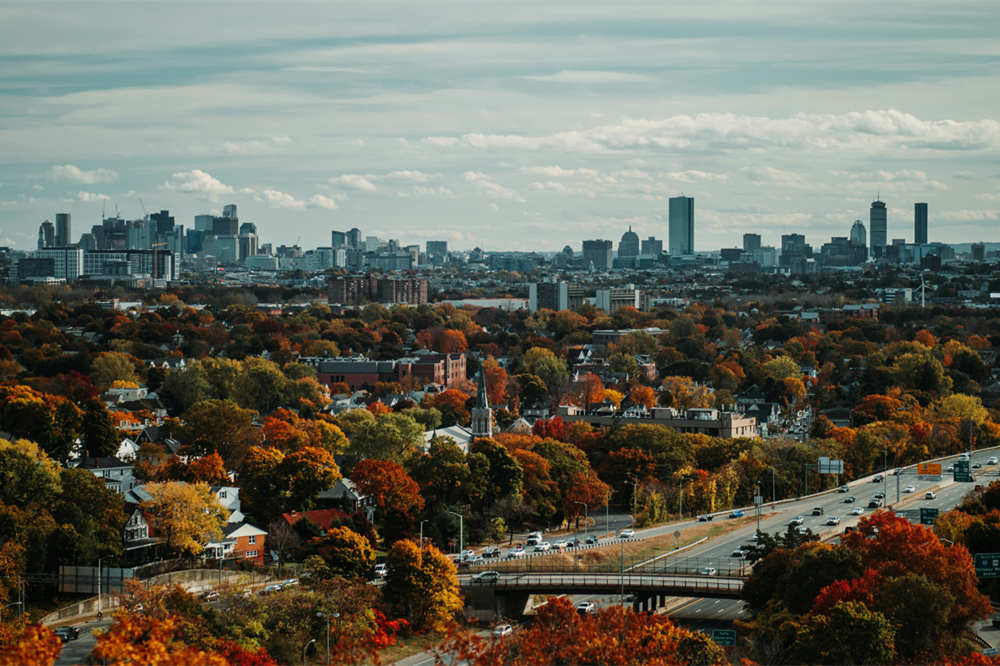
1. Boston, Massachusetts
Best for: A first solo city trip
Boston offers a manageable introduction to traveling alone. Many of its most recognizable neighborhoods and historic sites are close enough to explore on foot, while the subway provides an easy way to reach places farther from the center.
A natural starting point is the Freedom Trail, a 2.5-mile route connecting 16 historic sites between Boston Common and Charlestown. From there, wander through Beacon Hill, cross the Public Garden, eat in the North End, or take the train to Harvard Square in Cambridge. The compact layout makes it possible to see plenty without overplanning each day.
2. Washington, D.C.
Best for: Free museums and cultural attractions
Washington, D.C., is ideal for travelers who want a flexible itinerary without paying admission at every stop. The city’s major monuments, memorials, and cultural institutions can fill several days, and you can move through them entirely at your own pace.
The Smithsonian museums include 17 museums, galleries, and the National Zoo in the Washington area, with free admission. Spend a day around the National Mall, then explore neighborhoods such as Dupont Circle, Georgetown, Capitol Hill, or the Wharf. A guided evening monument tour is also a convenient way to see widely spaced landmarks after dark without planning the route yourself.
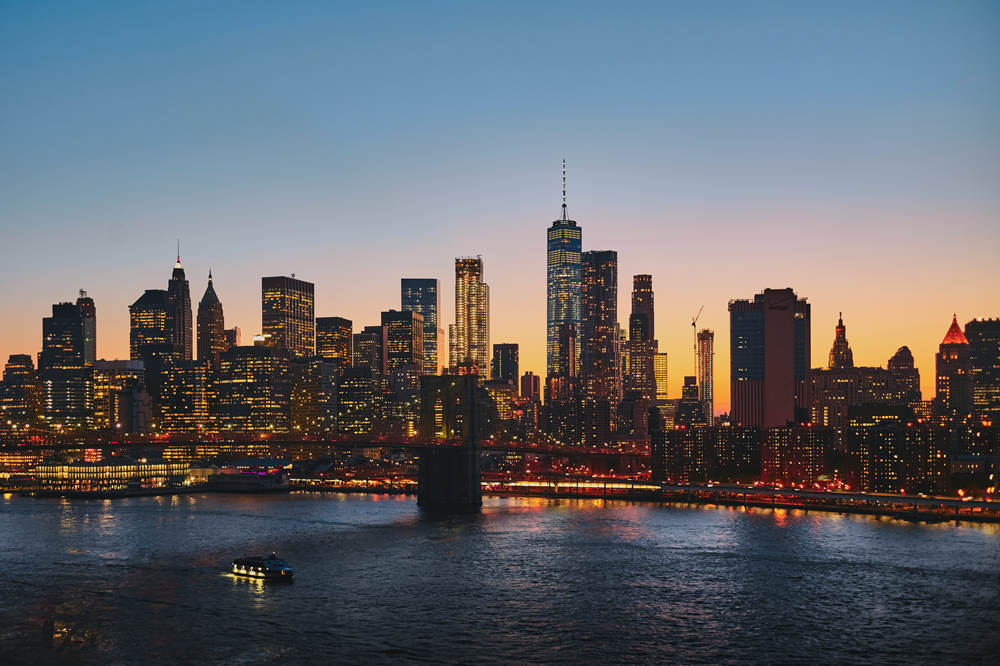
3. New York City, New York
Best for: Entertainment and nonstop activity
New York is one of the easiest places to become comfortable doing things alone. Solo diners, museum visitors, shoppers, and theatergoers are common, so there is little pressure to arrive with a companion.
Build a trip around Central Park, the Metropolitan Museum of Art, the High Line, Broadway, and neighborhood walks through areas such as Greenwich Village or the Upper West Side. The subway runs throughout the night, although NYC Tourism’s solo travel guidance recommends researching unfamiliar neighborhoods and using busy, well-lit routes after dark. Carry a power bank and save your hotel address somewhere other than your phone in case your battery dies.
4. Chicago, Illinois
Best for: Architecture, museums, and lakefront views
Chicago provides big-city variety without requiring an overwhelming itinerary. Millennium Park, the Art Institute of Chicago, the Riverwalk, and the lakefront are close enough to combine, while the “L” makes it possible to explore beyond the downtown area.
An architecture cruise is an excellent first activity because it introduces the city’s layout while placing you in a group for part of the day. The city’s official solo travel guide also highlights lakefront biking, museums, food tours, theater, and neighborhood experiences. After seeing the central attractions, spend time in a district such as Andersonville, Lincoln Park, Chinatown, or Wicker Park for a different side of the city.
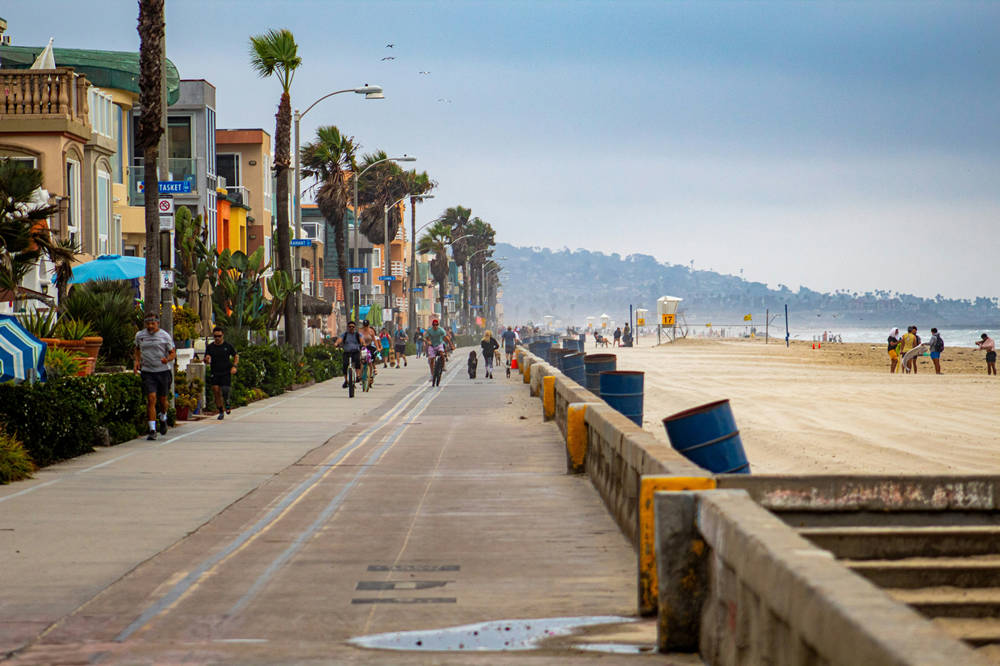
5. San Diego, California
Best for: Beaches and relaxed outdoor days
San Diego suits travelers who prefer an unhurried mix of culture, food, and time outdoors. Balboa Park contains museums, gardens, walking paths, and the San Diego Zoo, while Little Italy and the waterfront offer easy places to spend an afternoon without a strict schedule.
The city is spread out, so organize each day around one area rather than crossing the region repeatedly. The San Diego Trolley connects downtown with Old Town, Mission Valley, and the UC San Diego and La Jolla area. Coronado can be reached by ferry from downtown, while more distant beaches may require a bus, rideshare, or rental car.
6. Savannah, Georgia
Best for: Historic architecture and a slow weekend
Savannah’s Historic Landmark District is compact enough for a two- or three-day solo escape. Its shaded streets, public squares, historic houses, cafés, and museums encourage slow exploration rather than a packed sightseeing schedule.
The Historic Landmark District also includes River Street, City Market, shops, restaurants, and several departure points for guided tours. A daytime history walk can provide context, while an organized ghost tour offers a structured evening activity. Summer heat and humidity can be intense, so plan outdoor walks for the morning and leave the middle of the day for museums or a long lunch.
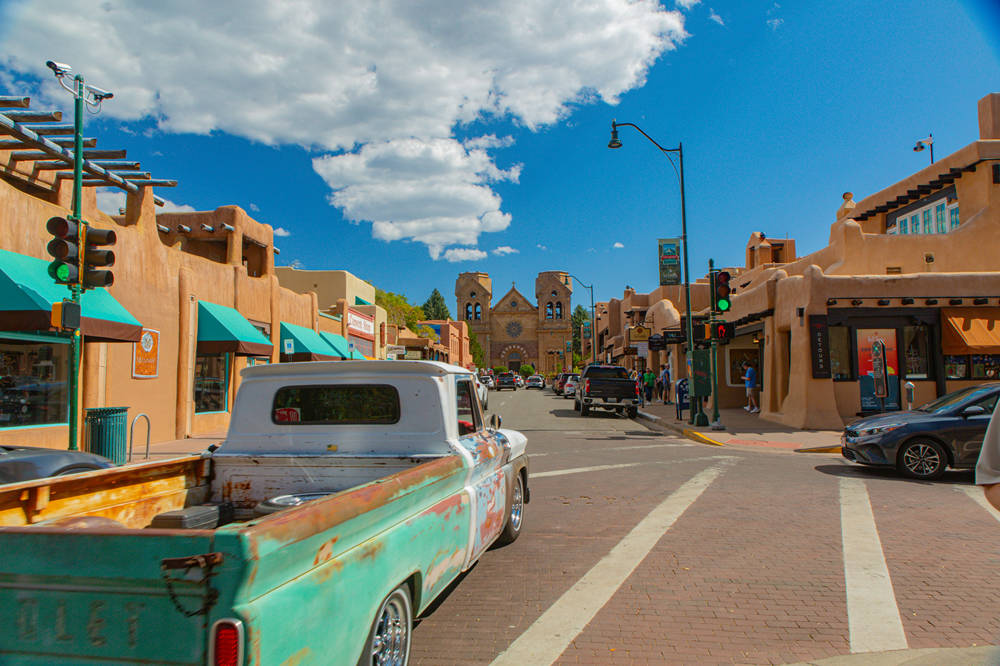
7. Santa Fe, New Mexico
Best for: Art, food, and a quieter pace
Santa Fe is a strong choice for women who want a restorative trip rather than constant activity. Adobe architecture, small galleries, regional restaurants, bookstores, and museums surround the historic center, making it easy to spend a day following your interests without a rigid route.
Start around the Plaza and downtown Santa Fe, where you will find the Georgia O’Keeffe Museum, the New Mexico Museum of Art, the Cathedral Basilica of St. Francis of Assisi, and numerous galleries and courtyards. Santa Fe sits at a high elevation, so keep your first day light, drink plenty of water, and allow time to adjust before hiking or taking a more active day trip.
8. Seattle, Washington
Best for: Urban attractions with easy access to the water
Seattle combines markets, museums, cafés, waterfront scenery, and simple excursions across Puget Sound. Pike Place Market, the Seattle Art Museum, the central waterfront, and Seattle Center provide enough variety for a long weekend.
Link light rail connects Seattle-Tacoma International Airport with downtown, while buses, streetcars, ferries, and the monorail cover other parts of the city. The official Seattle transportation guide provides current route information. For an uncomplicated solo outing, board a ferry for views of the skyline and mountains from the water. Seattle is hillier than it appears on a map, so use transit strategically instead of walking every section of the route.
9. Portland, Maine
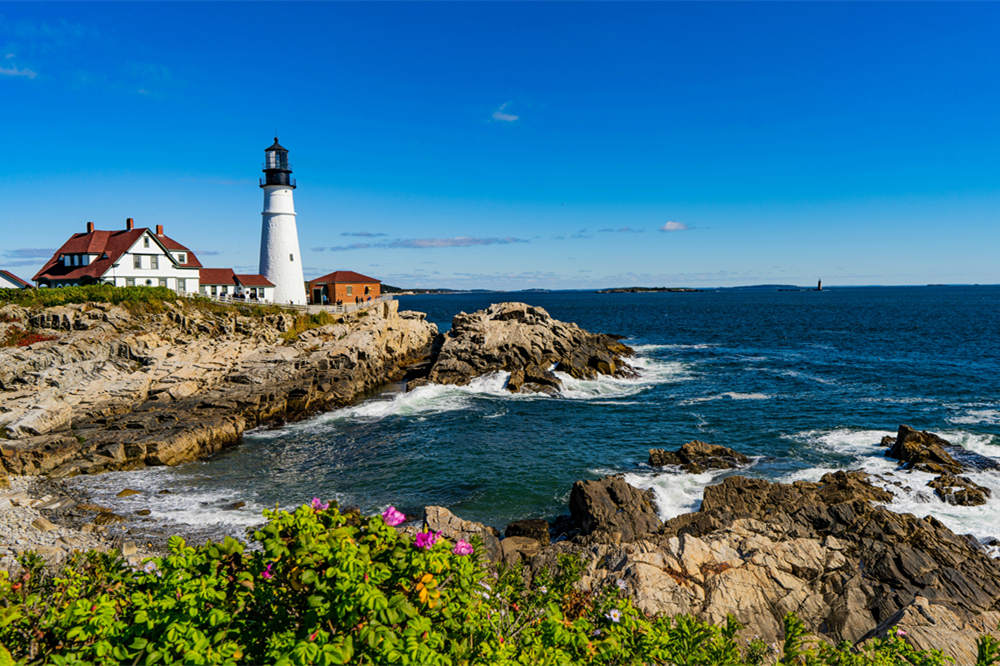
Best for: Seafood and a compact coastal break
Portland offers a smaller, calmer alternative to a major city. The Old Port places brick streets, restaurants, coffee shops, boutiques, and the working waterfront within a relatively concentrated area, making it especially suitable for a short trip.
Spend one day exploring the peninsula and another on the water. Peaks Island is approximately a 20-minute ferry ride from Portland and can be explored on foot or by bicycle. Summer and early fall bring the liveliest atmosphere but also higher accommodation prices, while winter is quieter and better suited to travelers comfortable with cold coastal weather.
10. Boulder, Colorado
Best for: Hiking without staying in a remote area
Boulder allows travelers to combine an active outdoor trip with the convenience of a lively downtown. Pearl Street has restaurants, cafés, shops, and public spaces, while nearby trail systems provide mountain views without requiring a long drive into the Rockies.
A car-free weekend in Boulder is possible because the airport bus stops near Pearl Street and local buses connect several visitor areas. Trails at The Peoples’ Crossing begin near the western end of downtown, and seasonal shuttles serve other popular hiking locations. Start with a well-marked trail, carry more water than usual, and check the weather before leaving because elevation and rapidly changing conditions can make a short hike more demanding than expected.
How to Choose the Right Destination
The best destination depends on the kind of solo experience you want rather than which city is the most popular.
- For a first trip: Boston and Washington, D.C., offer structured attractions and straightforward central areas.
- For big-city energy: New York and Chicago provide extensive public transportation and activities throughout the day.
- For a slower cultural escape: Savannah, Santa Fe, and Portland are well suited to relaxed itineraries.
- For outdoor time: San Diego, Seattle, and Boulder combine city amenities with beaches, water, or hiking.
Trip length also matters. Savannah and Portland work well for a long weekend, while New York, Chicago, and San Diego reward travelers who have four or five days. Before booking, compare accommodation costs and determine whether the attractions you want to visit can be reached without frequent rideshares or a rental car.
Practical Safety Tips for Women Traveling Alone
No destination removes the need for basic preparation. A few practical habits can make unfamiliar surroundings easier to navigate without allowing caution to dominate the trip.
- Research the immediate area around your accommodation. Check recent reviews and the route between the hotel and the nearest transit stop.
- Plan your arrival. Know how you will travel from the airport or station, especially when arriving late.
- Share essential details. Give a trusted person your accommodation address, transportation information, and general itinerary.
- Prepare for phone problems. Carry a power bank and save offline copies of maps, tickets, and important addresses.
- Verify transportation. Match the driver, vehicle, and license plate before entering a rideshare, and ignore unsolicited ride offers.
- Protect your privacy. Avoid sharing your room number or precise plans with strangers, and leave any situation that feels uncomfortable.
RAINN’s travel safety guidance also recommends preparing transportation routes, sharing itinerary information, carrying backup power, and using verified rides.