
Affordable Travel in South America: A Practical Guide for Couples
Affordable travel in South America is possible for couples who choose a focused route, share private accommodation, and reserve their money for a few memorable experiences. In many destinations, two people can enjoy comfortable guesthouses, local restaurants, scenic day trips, and historic neighborhoods without relying on hostel dorms or an extremely restrictive budget.
Costs are not uniform across the continent. Bolivia and parts of Colombia offer some of the strongest overall value, while Chile, Uruguay, remote Patagonia, and the Galápagos usually require a larger budget. The distance between destinations can also matter as much as local food or hotel prices.
How Much Does a South America Trip Cost for Two?
The following figures are based on traveler-reported average daily spending published in August 2026. They are not minimum budgets. They include a mixture of accommodation, food, local transportation, sightseeing, and other daily expenses reported by previous travelers.
International flights, travel insurance, visas, expensive multi-day tours, and major remote-region costs are not necessarily reflected in each estimate. Couples who use simple private rooms and local transportation may spend less, while travelers choosing boutique hotels, domestic flights, or frequent guided excursions may spend considerably more.
| Country | Approximate Average per Day for Two | General Cost Position |
|---|---|---|
| Bolivia | $74 | Lowest reported average |
| Colombia | $131 | Good value in many inland destinations |
| Argentina | $132 | Variable prices and long travel distances |
| Ecuador | $151 | Compact mainland routes can control costs |
| Peru | $156 | Moderate daily costs with expensive headline attractions |
| Uruguay | $184 | Higher accommodation and dining costs |
| Brazil | $197 | Regional variation and costly internal transportation |
| Paraguay | $216 | Low local prices do not always mean low visitor costs |
| Chile | $246 | Highest reported country average |
These averages are calculated from information submitted by travelers and should be treated as a comparison tool rather than a promise of what every couple will spend. The latest figures can be checked in the South America travel-cost rankings.
Best-Value South American Countries for Couples
Bolivia
Bolivia remains one of the clearest choices for couples traveling on a limited budget. Private rooms, local meals, buses, and everyday attractions are often less expensive than elsewhere on the continent.
La Paz offers markets, museums, mountain views, and an extensive cable-car network. Sucre has a calmer atmosphere, walkable colonial streets, and guesthouses suited to longer stays. Lake Titicaca and Potosí can also be included without relying on domestic flights.
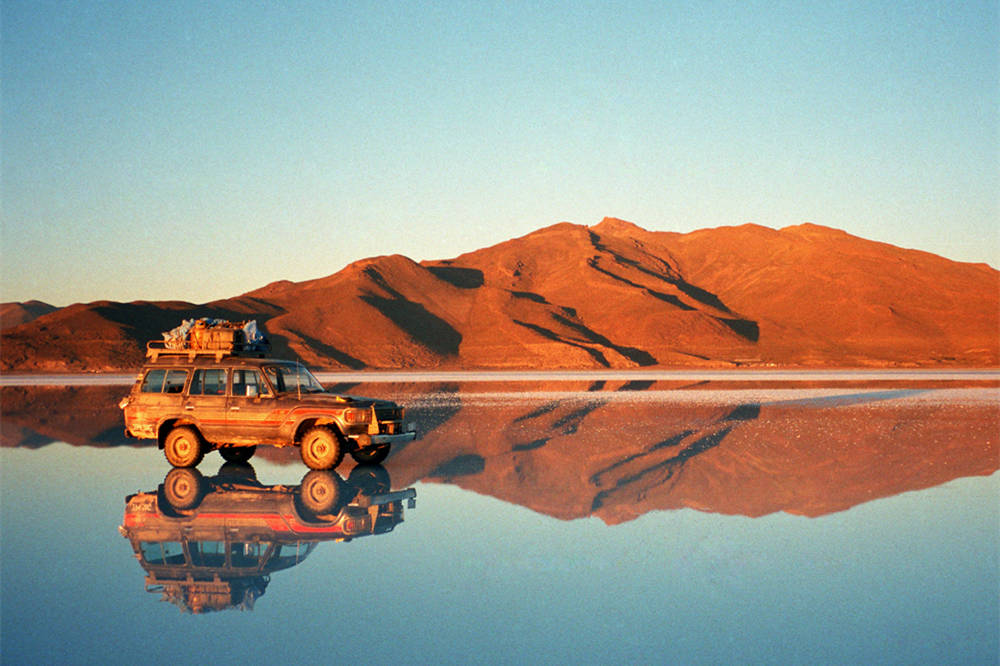
The Salar de Uyuni is the main budget exception. Multi-day salt-flat tours involve specialized transportation, guides, meals, and remote lodging. It is better to price this experience separately instead of treating it as a normal Bolivia travel day.
Colombia
Colombia can provide strong value when couples concentrate on inland cities and the coffee region. Medellín, Salento, Manizales, Jardín, and Santa Marta commonly cost less than the most popular parts of Cartagena.
A route through Medellín and the Coffee Cultural Landscape combines city experiences, mountain towns, coffee farms, hiking, and rural accommodation without requiring several long flights.
Cartagena can still be included, but a short stay is usually more economical than using its historic center as the main base for an entire coastal vacation.
Argentina

Argentina can be affordable, but old online prices are especially unreliable. Inflation, exchange rates, and changes in transportation or restaurant costs can quickly make a previous traveler’s budget irrelevant.
Buenos Aires, Córdoba, Mendoza, Salta, and Jujuy can provide better value than a route focused entirely on southern Patagonia. Couples can combine city neighborhoods, wine regions, colonial architecture, and dramatic northern landscapes without crossing the full length of the country.
Check current prices shortly before booking and avoid building the trip around claims that Argentina is always unusually cheap. Its large size can make domestic flights and long-distance buses a significant part of the total cost.
Mainland Ecuador
Ecuador’s main advantage is its compact geography. Quito, Otavalo, Baños, Cuenca, and several Andean landscapes can be connected overland without repeated domestic flights.
Quito and Cuenca offer historic centers, public plazas, museums, riverside walks, and local markets. Baños adds hot springs, waterfalls, cycling, and adventure activities, allowing couples to choose one or two paid experiences rather than booking a tour every day.
The official Ecuador Andes guide groups Quito, Baños, Cuenca, Cotopaxi, Mindo, and other highland destinations into a practical mainland network. Couples visiting elevated locations should allow time to acclimatize before strenuous activities.
Peru

Peru offers affordable food, guesthouses, buses, and historic cities, but its most famous attraction can substantially increase the trip budget.
Arequipa, Lima, Cusco, the Sacred Valley, Lake Titicaca, and northern coastal destinations all provide different experiences. A couple can control costs by choosing one geographic region rather than trying to connect every major attraction in one trip.
Machu Picchu should be treated as a separate budget item. Travelers must select a specific circuit and route, and 2026 admission is capped at 5,600 visitors per day on designated high-season dates and 4,500 on other dates. Tickets are sold through the official Ministry of Culture platform.
Admission is only one part of the expense. Trains, buses, trekking arrangements, accommodation, meals, and transfers around the Sacred Valley can make the Machu Picchu portion considerably more expensive than ordinary days elsewhere in Peru.
Paraguay: Low Local Prices but Complicated Logistics
Paraguay is sometimes described as inexpensive because meals, local services, and ordinary accommodation can cost relatively little. That does not always translate into a cheap trip for international visitors.
Tourism infrastructure is less developed than in Peru, Colombia, or Ecuador. Limited connections, fewer organized excursions, and the possible need for private transportation can raise the final cost. Current traveler-reported averages place Paraguay among South America’s more expensive countries for visitors, although the data pool may be smaller than for major tourism destinations.
Asunción, Encarnación, and the Jesuit mission sites may suit experienced independent travelers seeking a quieter route. Couples primarily interested in an easy, low-cost first trip to South America will generally find Bolivia, Colombia, Ecuador, or Peru simpler to plan.
Places That Usually Need a Larger Budget

Chile
Chile has relatively high reported daily costs, and many of its best-known destinations are separated by long distances. A trip combining Santiago, the Atacama Desert, the Lake District, and Patagonia may require several flights.
San Pedro de Atacama can be particularly expensive because many lagoons, valleys, geysers, and remote landscapes are reached through separate excursions. Accommodation and park or site fees add to the total.
Brazil
Brazilian costs vary greatly by region. The larger challenge is connecting distant destinations such as Rio de Janeiro, Salvador, Iguaçu Falls, the Amazon, and the northeastern coast.
Couples can make Brazil more manageable by concentrating on one area. Carnival, New Year, major concerts, and holiday weekends may sharply increase room rates and transportation prices.
Uruguay
Uruguay is easy to navigate, but accommodation and restaurant prices can be higher than many travelers expect. Montevideo and Colonia work well for a short cultural visit, while coastal resorts become more expensive during the southern summer.
Traveling outside the busiest beach period can improve room availability, although couples should still compare the cost with nearby parts of Argentina.
The Galápagos
The Galápagos should not be included in an ordinary mainland Ecuador budget. Foreign visitors over 12 who are not eligible for a regional reduced rate pay a $200 conservation entrance charge. A $20 transit-control card is also required before departing from mainland Ecuador.
Flights, island transfers, boat excursions, guides, and limited accommodation make the complete trip much more expensive than the two fees alone. Current arrival procedures and visitor categories are listed by the Galápagos National Park.
Patagonia
Patagonia stretches across southern Argentina and Chile. Remote airports, long transfers, seasonal accommodation, park transportation, and outdoor equipment can make it difficult to visit on a small budget.
A couple does not need to avoid the region completely, but it is more realistic to choose one Patagonian base than to combine El Calafate, El Chaltén, Torres del Paine, Bariloche, and Ushuaia in a single short trip.
Affordable South America Itineraries
10 Days in Colombia
Route: Bogotá, Medellín, and the coffee region.
This itinerary provides urban culture and rural scenery with only two major transfers. Spend fewer nights in Bogotá if flights are expensive, then divide most of the trip between Medellín and one coffee-region town.
Two Weeks in Peru and Bolivia
Route: Cusco, the Sacred Valley, Machu Picchu, Lake Titicaca, La Paz, and Uyuni.
This route combines one major paid attraction with lower-cost destinations in Bolivia. It involves high altitude and several long transfers, so leave room for acclimatization and possible delays.
Two Weeks in Mainland Ecuador
Route: Quito, Otavalo or Mindo, Baños, and Cuenca.
The journey can be completed largely by bus. Staying three or four nights in each main base keeps transportation costs down and creates time for independent day trips.
Two Weeks in Northern Argentina
Route: Buenos Aires, Córdoba, Salta, and Jujuy.
Use a flight for the longest leg and regional buses for shorter connections. Keeping the trip in the north avoids the additional transportation costs associated with Patagonia.
How Couples Can Reduce the Total Cost
Stay Longer in Fewer Destinations
Every change of city creates another ticket, transfer, check-in, and possible baggage charge. Longer stays may also qualify for weekly accommodation discounts.
A slower route gives couples more time for markets, neighborhood cafés, public parks, and unplanned walks instead of spending much of the trip inside airports or buses.
Compare the Full Cost of Transportation
Do not compare only the advertised price of a bus and a flight. Include airport transfers, checked baggage, meals during the journey, travel time, and the possible cost of an extra hotel night.
An overnight bus may save one night of accommodation, but it is poor value when neither traveler sleeps and the following day is lost to recovery.
Choose Accommodation Near Daily Activities
A lower room price outside the center may lead to repeated taxi costs. Before booking, map the historic center, restaurants, transportation terminals, and attractions you expect to use.
Private rooms in hostels, locally owned guesthouses, and simple hotels often provide more useful facilities than large international properties. A shared kitchen, breakfast, laundry access, or free drinking water can reduce other expenses.
Use Lunch for the Main Restaurant Meal
Many neighborhood restaurants serve substantial fixed-price lunches. Couples can enjoy local food during the day, then choose a lighter dinner from a bakery, market, café, or simple restaurant.
This approach leaves room for one special evening meal without turning every dinner into a major expense.
Pay for Access, Not Convenience
Guided tours are most valuable when a destination is remote, difficult to reach independently, regulated, or much more meaningful with expert interpretation.
Historic centers, markets, public beaches, plazas, parks, and city viewpoints can often be explored without a guide. Combining free days with selected excursions keeps the trip varied without filling the schedule with repetitive tours.
When to Travel for Better Prices
South America does not have one universal low season. The Andes, Amazon, Caribbean coast, Atlantic beaches, deserts, and Patagonia follow different weather and tourism patterns.
Research each region separately and compare room prices across several weeks. The lowest rate may fall during heavy rain, extreme heat, cold mountain conditions, or a period when certain trails and roads are less reliable.
Local festivals, Carnival, Christmas, New Year, school vacations, and major sporting or cultural events can increase prices even in normally affordable cities. Couples who do not intend to attend an event may save money by moving their trip a few days earlier or later.
Expenses That Are Easy to Forget
- Checked baggage and seat-selection charges
- Airport and bus-terminal transfers
- ATM withdrawal and foreign transaction fees
- Travel insurance
- Tourist taxes and conservation fees
- Laundry and mobile data
- Vaccinations and pre-travel health appointments
- Cold-weather or trekking equipment
- Extra accommodation caused by delays
Keep part of the budget unassigned. A financial cushion is more useful than planning every dollar around a schedule that may change after a delayed bus, canceled tour, or unexpected illness.
Money and Safety Tips
Each partner should carry access to a separate card or account. Do not store every card and all cash in the same bag. Keep enough local currency for small businesses, markets, rural accommodation, and transportation that may not accept cards.
Use ATMs in secure locations and check the current exchange rate before accepting a conversion offered by a terminal. In countries with rapidly changing prices or currency conditions, confirm major costs shortly before the trip.
Choose accommodation based on recent reviews, neighborhood conditions, and arrival time rather than price alone. Use authorized airport transportation and established operators for remote activities.
Safety conditions can differ within the same country and may change quickly. U.S. travelers can check current destination-specific travel advisories; travelers from other countries should consult their government’s equivalent service.
Yellow fever occurs in parts of South America, but vaccination recommendations depend on the exact destination and the traveler’s health. Review the current CDC regional guidance or speak with a travel-health professional before departure.
Is South America Affordable for Couples?
South America can be affordable for couples when the trip is built around geography rather than a long list of countries. Bolivia, inland Colombia, mainland Ecuador, northern Argentina, and parts of Peru offer particularly useful starting points.
The goal is not to spend as little as possible. A well-planned affordable trip should still provide safe transportation, private places to rest, enjoyable meals, and enough flexibility for both travelers to appreciate the journey together.