
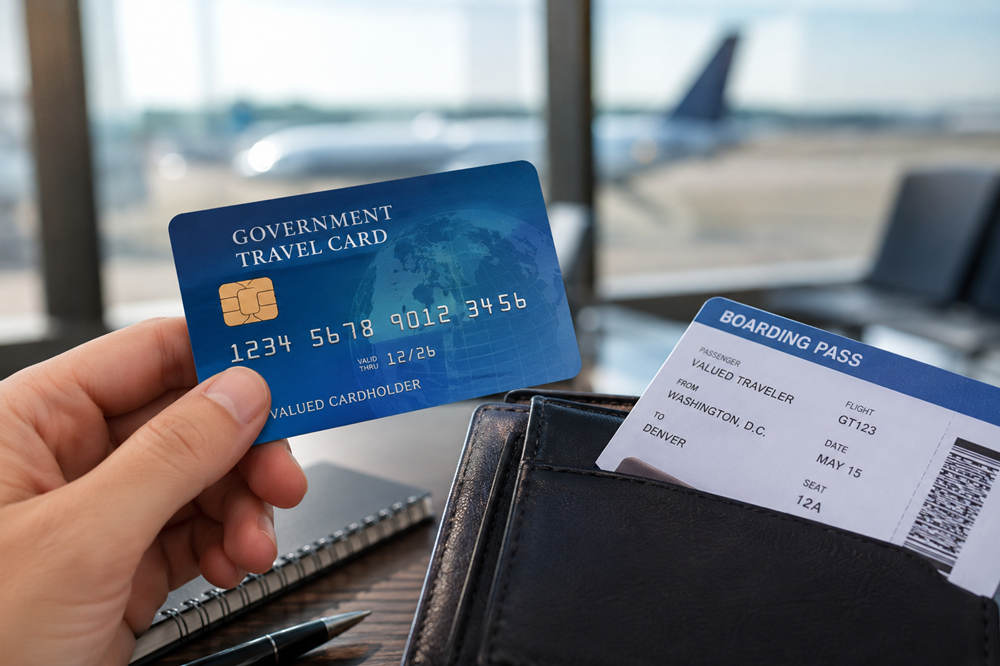
Which Item Is a Benefit of Using the Travel Card?
The question “Which item is a benefit of using the travel card?” usually refers to the Government Travel Charge Card used by federal employees and Department of Defense personnel during official travel.
The correct answer is that the travel card allows travelers to pay authorized official travel expenses without using their personal funds.
The exact wording may differ in a multiple-choice question. Look for an answer mentioning reduced out-of-pocket spending, less reliance on personal money, or a convenient way to pay approved travel costs. The current Department of Defense travel card regulations specifically identify eliminating the need to pay official expenses with personal funds as a program benefit.
Why This Is a Benefit
Official travel can involve substantial costs before reimbursement is processed. A traveler may need to pay for lodging, transportation, meals, parking, tolls, or a rental vehicle during the trip.
Using a government travel card keeps the traveler from having to place those approved costs on a personal credit card or pay them directly from a bank account. It also creates a separate record of official purchases, making it easier to compare card transactions with receipts and prepare a travel voucher.
The card does not increase the amount a traveler is entitled to claim. Reimbursement is still limited to authorized and allowable expenses under the traveler’s orders, agency policy, and applicable travel regulations.
Other Practical Benefits of the Travel Card
Reducing personal spending is the main answer to the quiz question, but the card also supports the administrative side of government travel.
Clearer expense tracking
Travel-related charges appear together on the card statement rather than being mixed with household purchases on a personal account. This can make it easier to identify official expenses and notice unfamiliar transactions.
Split disbursement
Split disbursement sends part of the traveler’s reimbursement directly to the card issuer. The remaining amount is paid to the traveler for eligible expenses that were paid by another method.
Department of Defense travelers must use split disbursement to cover all undisputed expenses charged to the Government Travel Charge Card. Travelers are responsible for checking that the amount sent to the card issuer is sufficient to pay those charges.
Online account access
Depending on the issuing bank, cardholders may be able to review transactions, receive alerts, check the balance, and make payments online. This helps travelers manage the account while they are away rather than waiting for a paper statement.
Reduced need for cash advances
Because many approved expenses can be charged directly to the card, travelers may have less need to carry cash or request a travel advance. Cash withdrawals are still permitted in certain circumstances, but they must follow agency rules and relate directly to authorized travel.
What Expenses Can Be Charged?
The GSA SmartPay travel card may be used only for authorized official travel and travel-related expenses. GSA broadly groups these expenses into four categories: transportation, lodging, meals, and incidentals.
Depending on the trip authorization and agency policy, eligible charges may include:
- Approved airfare or rail transportation
- Hotel or other authorized lodging
- Rental vehicles and qualifying fuel purchases
- Taxis, rides, public transportation, parking, and tolls
- Meals purchased during official travel
- Other approved incidental travel expenses
A purchase is not automatically authorized simply because it occurs during a business trip. Travelers should follow their orders and agency guidance, particularly when paying for optional services, local travel, upgrades, or costs outside the approved travel period.
Who Is Responsible for Paying the Account?
Payment responsibility depends on the type of government travel account being used.
Individually Billed Account
An Individually Billed Account, or IBA, is issued in the employee’s name. The cardholder is directly responsible for the purchases charged to the account, although reimbursement may be sent to the card issuer through split disbursement.
The cardholder must pay the full undisputed amount by the statement’s due date even when reimbursement has not yet been received.
Centrally Billed Account
A Centrally Billed Account, or CBA, is established for the agency. It is commonly used for expenses such as official transportation booked through an approved travel system or travel management service. The agency receives the bill and is responsible for payment.
Tax Advantage Travel Account
A Tax Advantage Travel Account combines features of an IBA and a CBA. Rental-car and lodging transactions are generally directed to the centrally billed portion, while expenses such as meals and incidentals are placed on the individually billed portion. The traveler remains responsible for the IBA charges.
Can the Travel Card Provide a Tax Exemption?
Some government travel transactions may qualify for state tax exemptions, but carrying a government travel card does not automatically make every purchase tax-free.
The result depends on the state, the account type, the expense, and any required exemption forms. Centrally billed transactions generally receive broader tax treatment because the government pays the account directly. Individually billed lodging transactions are exempt only in certain states.
Travelers should check the current GSA SmartTax information before the trip and bring any documents required by the destination state.
What the Travel Card Cannot Be Used For
A government travel card is not a personal credit card. It must not be used simply because the cardholder finds it convenient or plans to repay the charge later.
Unauthorized uses generally include:
- Personal purchases unrelated to official travel
- Vacation or leisure expenses
- Costs for another person unless a specific policy permits them
- Cash withdrawals unrelated to an authorized trip
- Purchases outside the approved travel period without an authorized reason
- Payments toward unrelated government or personal debts
The card is issued to a particular cardholder and must not be lent or transferred to another person. Limited exceptions may apply to certain authorized dependent or permanent-change-of-station expenses, but those exceptions must be allowed by the traveler’s orders and agency policy.
What Travelers Should Do After the Trip
Department of Defense cardholders are required to submit their travel vouchers within five working days after completing travel. They should review the statement, match the charges with their receipts, and make sure the split-disbursement amount covers all undisputed card expenses.
Any balance not paid through the travel settlement must be paid directly by the cardholder. Unfamiliar or incorrect transactions should be reported promptly through the card issuer’s dispute process.
Failure to pay can lead to late fees and suspension of charging privileges. Under the May 29, 2026 Department of Defense rules, an unpaid account becomes subject to salary offset at 126 days past billing and may be charged off at 211 days. Cardholders covered by these rules are exempt from ordinary credit reporting under the Fair Credit Reporting Act.
Using the card correctly gives travelers an organized way to handle approved expenses without financing an official trip with their own money. That convenience depends on keeping personal purchases off the account, filing the required voucher promptly, and paying every valid balance by its due date.